With low blood sugar (hypoglycemia), blood glucose drops so far that the body does not get enough energy. For people with diabetes, a value below 70 mg/dl (3.9 mmol/l) is the threshold for a warning and for treatment.
What you should do depends on the person’s condition: someone who is awake and can swallow safely can usually help themselves. Someone who is unconscious, cannot swallow safely or is severely confused needs an emergency call to 112 immediately and must not be given anything by mouth.
What Low Blood Sugar Is
Hypoglycemia occurs when there is more insulin in the blood than the body currently needs, or when too few carbohydrates are available. Typical causes in people with diabetes are too high an insulin dose, skipped or delayed meals, unusually intense physical activity or alcohol. Certain blood-glucose-lowering medications, especially sulfonylureas, can also trigger low blood sugar.
Experts distinguish three levels of severity. Values between 70 and 54 mg/dl are considered the warning range, in which self-treatment is usually possible. A value below 54 mg/dl (3.0 mmol/l) is clinically significant hypoglycemia that must be treated immediately. The most severe form cannot be defined by a number, but by the fact that the person needs help from others because they can no longer act on their own or swallow safely. For laypeople, this functional definition is the most important: what matters is the person’s condition, not just the measured value.
Recognizing the Symptoms of Low Blood Sugar
Symptoms vary from person to person. Early signs are trembling, sweating, palpitations, intense hunger, pallor, and restlessness or nervousness. With more severe hypoglycemia, confusion, disorientation, speech or vision problems, unusual behavior, seizures and loss of consciousness follow.
People who experience repeated episodes of low blood sugar can lose their awareness of these warning signs. They then notice the drop only at very low values, or not at all. This considerably increases the risk of severe episodes. Anyone who has had such experiences should discuss them with their diabetes team, because impaired hypoglycemia awareness can often be treated.
How to Act if the Person Is Awake
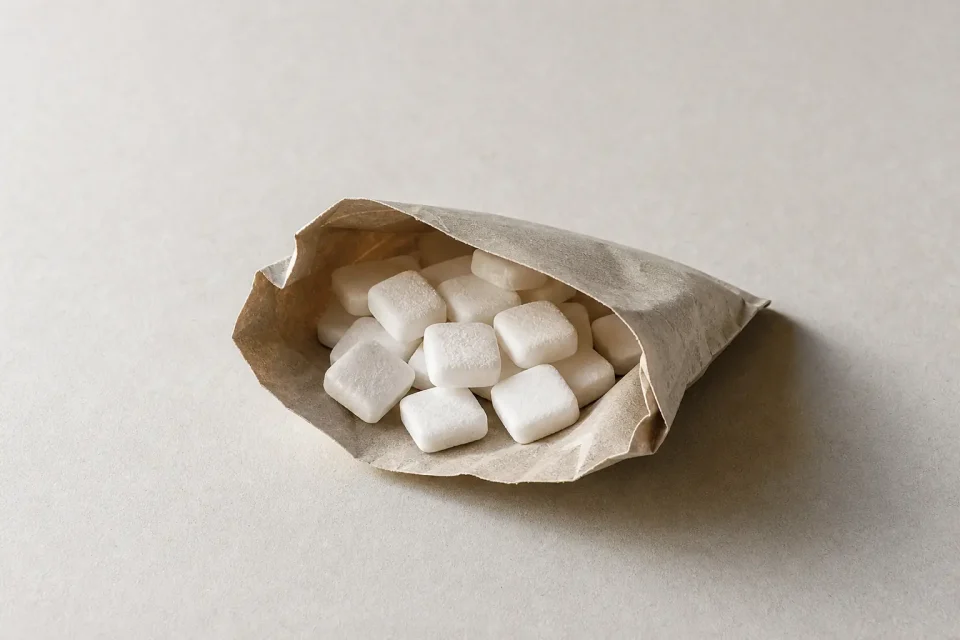
Treat early, while the person is awake and can swallow safely. Give about 15 to 20 grams of fast-acting carbohydrates. Suitable options are glucose tablets, glucose gel, fruit juice, regular sugary soda or gummy bears. Diet and zero-sugar drinks contain no sugar and have no effect. Chocolate is less suitable as a first measure because its fat content slows the absorption of the carbohydrates.
After giving the carbohydrates, wait about 15 minutes and measure blood sugar again or check the person’s condition. If the value stays low or symptoms do not improve, give fast-acting carbohydrates again. Once the person has stabilized and the next meal is not due yet, a snack with longer-acting carbohydrates such as bread, fruit or yogurt can prevent another drop. This is especially useful after exercise, alcohol consumption or with longer-acting insulin.
Do not leave the person alone after an episode of low blood sugar. Watch whether their condition stabilizes, and clarify with the diabetes team what triggered the drop.
If the Person Can No Longer Swallow Safely
If the person can still swallow safely but can no longer help themselves, someone else may give them the carbohydrates. In this situation, the practice recommendations of the German Diabetes Society advise a higher amount of glucose, about 30 grams. The person must be monitored closely. If their consciousness worsens or swallowing becomes unsafe, nothing more may be put in their mouth.
If the person is unconscious, has seizures or cannot swallow, call the emergency number 112 immediately. Do not give the person anything to eat or drink, as they could choke. Check their breathing. If the person is breathing normally, place them in the recovery position. Check their breathing repeatedly. If breathing stops, start resuscitation immediately and follow the instructions of the emergency dispatcher. Tell the dispatcher that the person has diabetes or that you suspect low blood sugar.
The recovery position prevents saliva, vomit or foreign objects from entering the airways. An unconscious person must never be woken with juice, glucose tablets, honey or water.
What Not to Do for Low Blood Sugar
Some mistakes can make the situation dangerously worse. Never put anything in the mouth of an unconscious person. If the situation is unclear, do not inject insulin as a precaution, since with low blood sugar it would dramatically worsen the person’s condition. Do not use diet or zero-sugar drinks as a sugar source, and do not rely on chocolate as a first measure.
If there is no improvement after the first dose of glucose or the person’s condition worsens, call the emergency services rather than continuing to wait. After severe hypoglycemia, you should not simply return to your previous therapy, but have the cause and treatment plan reviewed by a doctor.
Glucagon as an Emergency Medication
Glucagon is a hormone that causes the liver to release stored glucose. It can be used for severe hypoglycemia when the affected person cannot safely take in carbohydrates themselves. Glucagon is available as an injection and as a nasal spray. Family members and close contacts should practice its use in advance with the package leaflet or get trained.
Glucagon does not replace an emergency call if the person is unconscious. It should not be used if it is unclear whether the person has low blood sugar and high blood sugar has not been ruled out. After use, the person must be medically monitored. If they regain consciousness and can swallow safely, they should take in carbohydrates. After heavy alcohol consumption or intense physical exertion, glucagon may be less effective because the liver’s glucose stores are depleted. In these cases, if the person cannot swallow, emergency services are urgently needed.
Follow-Up and Prevention
After a severe, nocturnal or recurring episode of low blood sugar, those affected should clarify with their diabetes team what triggered the incident. This includes reviewing the insulin dose and medications, asking about impaired hypoglycemia awareness, and deciding whether family members should be trained in using glucagon. A continuous glucose monitoring system with an alarm function can help detect low blood sugar earlier.
Special rules apply when driving for people at risk of hypoglycemia. Before setting off, measure your blood sugar and carry fast-acting carbohydrates in the vehicle. If you notice symptoms, stop immediately. You may only continue driving once your blood sugar and condition have stabilized again.