Soda, sweetened iced tea, energy drinks and some fruit drinks deliver a lot of sugar in a short time. Drinks often fill you up less than solid food. As a result, people do not always eat less at meals to make up for the extra energy. Regular consumption can promote weight gain and is associated with a higher risk of type 2 diabetes.

Links with depression and anxiety have also been studied. The evidence here is considerably less certain, however: observational studies show associations but do not prove that sugar causes the mental health problems. Cutting back on sweet drinks can support general health, but it does not replace treatment for mental or physical illnesses.
Weight and Diabetes Risk
Sugary drinks can increase energy intake without keeping you full for long. If people take in more energy than they use over a longer period, this promotes weight gain. A report by the US Dietary Guidelines Advisory Committee for the 2025 guidelines concluded that evidence of moderate strength supports a link between sweet drinks, unfavorable body composition and obesity in children, adolescents and adults. However, the literature reviewed only extended to May 2023.
A meta-analysis, that is, a combined evaluation of several studies, found an association between sugary drinks and type 2 diabetes in adults. The studies followed the participants over a longer period. The association remained even after the researchers had accounted for body fat in their statistical analysis. However, observational data do not prove that a daily sweet drink causes diabetes in an individual person.
Short-term trials provide clues about possible metabolic mechanisms. In a controlled study of 75 adults, drinks containing sucrose or high-fructose corn syrup changed liver fat and how well the body responds to insulin within two weeks. They were compared with a drink sweetened with aspartame. Such trials examine specific conditions over a short time. They do not prove that a single drink immediately triggers a chronic disease.
What Studies on Mental Health Show
Some observational studies link frequent consumption of sweet drinks with depression or anxiety. One prospective study found a statistical association between consumption of sweet drinks and later documented depression, but this does not establish a cause.

Several factors make the association hard to explain. People with depressive symptoms may change their eating and drinking habits. Sleep problems, the rest of the diet and social living conditions can also play a role. Energy drinks also contain caffeine. An observed association therefore cannot simply be attributed to sugar alone.
Measurements of brain activity or of the brain’s response to rewards also do not show whether sweet drinks in everyday life lastingly worsen mood or cause mental illnesses. A change in diet is therefore not a proven treatment for depression or anxiety disorders. If symptoms persist, medical or psychotherapeutic support is the right path.
Spotting Sugar in Drinks
Not every drink that tastes sweet contains added sugar. To check, it is worth looking at the ingredients list and the nutrition information. The amount of sugar per serving is particularly important here, because bottles and cups often contain more than one serving.
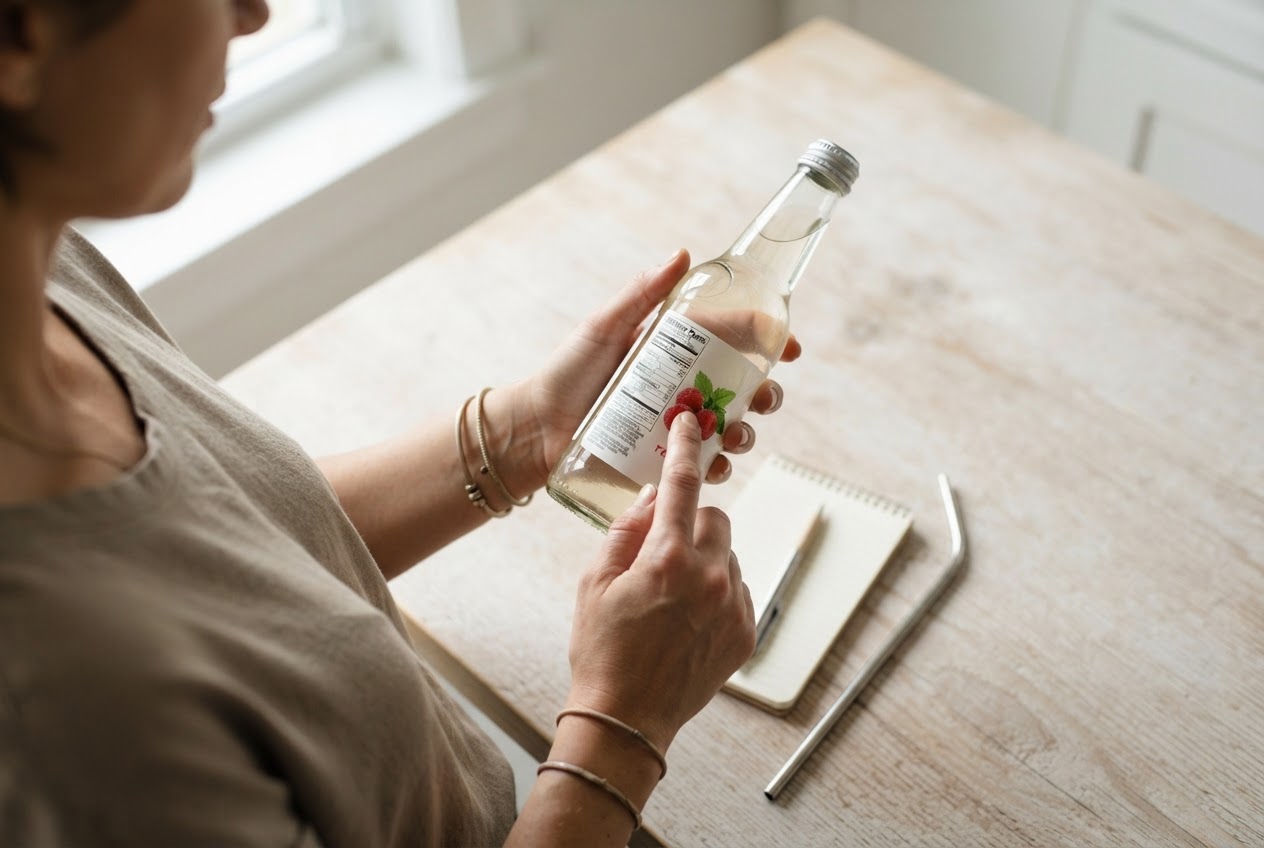
As a rough guide, a US health authority gives about ten teaspoons of sugar and 155 kilocalories for 355 milliliters of regular soda. The values apply to the example products listed there; brand and recipe change them. Fruit drinks, sweetened coffees and teas, and sports and energy drinks can also contain a lot of sugar.
The World Health Organization recommends limiting free sugars to less than ten percent of daily energy intake. Free sugars include added sugar as well as sugars in honey, syrups and fruit juices. Fruit juice is therefore not the same as a drink with added sugar, but under this definition it still counts as a source of free sugars.
Replacing Sweet Drinks Gradually
First, pay attention to which drinks you drink most often in everyday life. If you regularly buy soda or sweetened iced tea, you can start by choosing smaller portions or drinking water on some occasions. Still and sparkling water as well as unsweetened tea contain no added sugar. Slices of lemon or lime add flavor to water. Cucumber and berries also work well for this. The amount of sugar or syrup in coffee and tea can also be reduced step by step.

Drinks with sweeteners instead of sugar are another option alongside water and unsweetened tea. They can save sugar and calories. However, the World Health Organization does not recommend them as a long-term strategy for weight control, because their long-term benefit for this purpose is not established. The recommendation concerns long-term weight control; it does not prove immediate harm from every single drink.