An elevated blood sugar level at a check-up does not automatically mean diabetes. Diabetes mellitus is a condition in which too much glucose (sugar) remains in the blood over the long term. A single fingertip reading is usually not enough for a diagnosis. For that, your doctor evaluates suitable laboratory values.
The main forms are type 1 diabetes, type 2 diabetes, other specific forms of diabetes, and gestational diabetes. Which form is present determines further testing and treatment. The following thresholds apply to adults outside of pregnancy.
What Happens in Diabetes
The hormone insulin helps move glucose from the blood into the body’s cells, where it serves as a source of energy. In diabetes, the body produces too little insulin, the cells do not respond to it sufficiently, or both occur together. As a result, blood sugar rises.
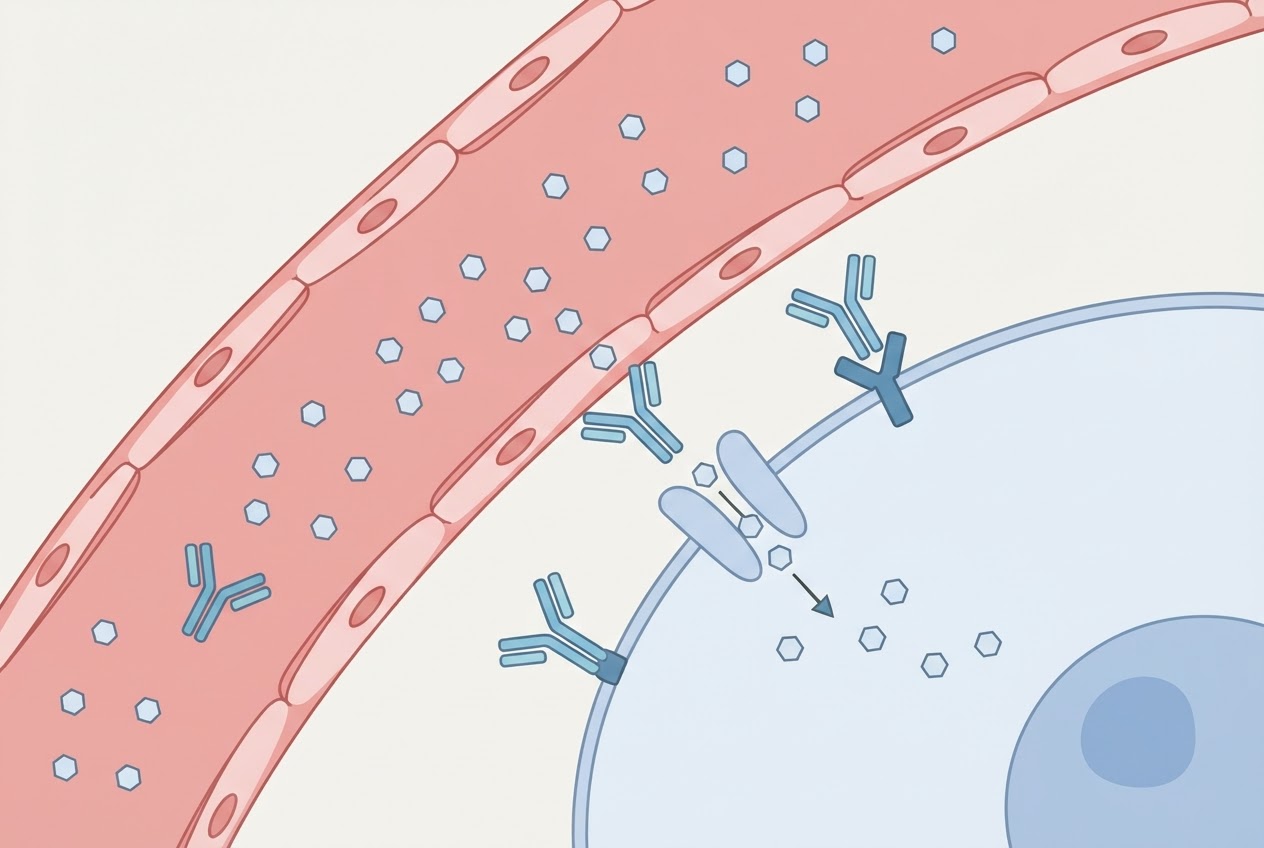
If blood sugar stays elevated over a long period, it can damage blood vessels and organs, including the eyes, kidneys, nerves, and heart. An early diagnosis helps to keep blood sugar under control and to prevent or delay such complications.
The Different Forms
Type 1 diabetes usually develops because the immune system attacks the insulin-producing cells in the pancreas. As a result, the body lacks a great deal of insulin. Type 1 can occur at any age. Symptoms often develop within a short time.

Type 2 diabetes usually begins gradually. The body’s cells respond less and less well to insulin; over time, insulin production may also decline. Genetic predisposition, age, and lifestyle all play a part. Too much sugar alone does not cause type 2; at first, the condition often goes unnoticed.
Other forms of diabetes can be caused by genetic changes or diseases of the pancreas. Hormonal disorders and certain medications may also be causes. Gestational diabetes is diagnosed when a disorder of sugar metabolism is detected during pregnancy. Separate testing rules and thresholds apply to it.
Which Symptoms Occur
Intense thirst and frequent urination can be signs of diabetes. Tiredness, blurred vision, and unintended weight loss are also possible signs. In type 2, symptoms are sometimes mild or absent altogether. Feeling well therefore does not rule out the condition.
In type 1, symptoms often appear more quickly. Nausea, vomiting, or rapid breathing with very high blood sugar are warning signs of a possible acute metabolic crisis. In this case, immediate medical help is needed. In cases of severe shortness of breath or impaired consciousness, emergency services should be called immediately.
How the Diagnosis Is Made
For the diagnosis, your doctor uses standardized laboratory tests on venous blood, that is, blood from a vein. A blood glucose meter used with a finger prick is generally not suitable for diagnosing diabetes for the first time. A urine test strip does not replace laboratory diagnostics either.
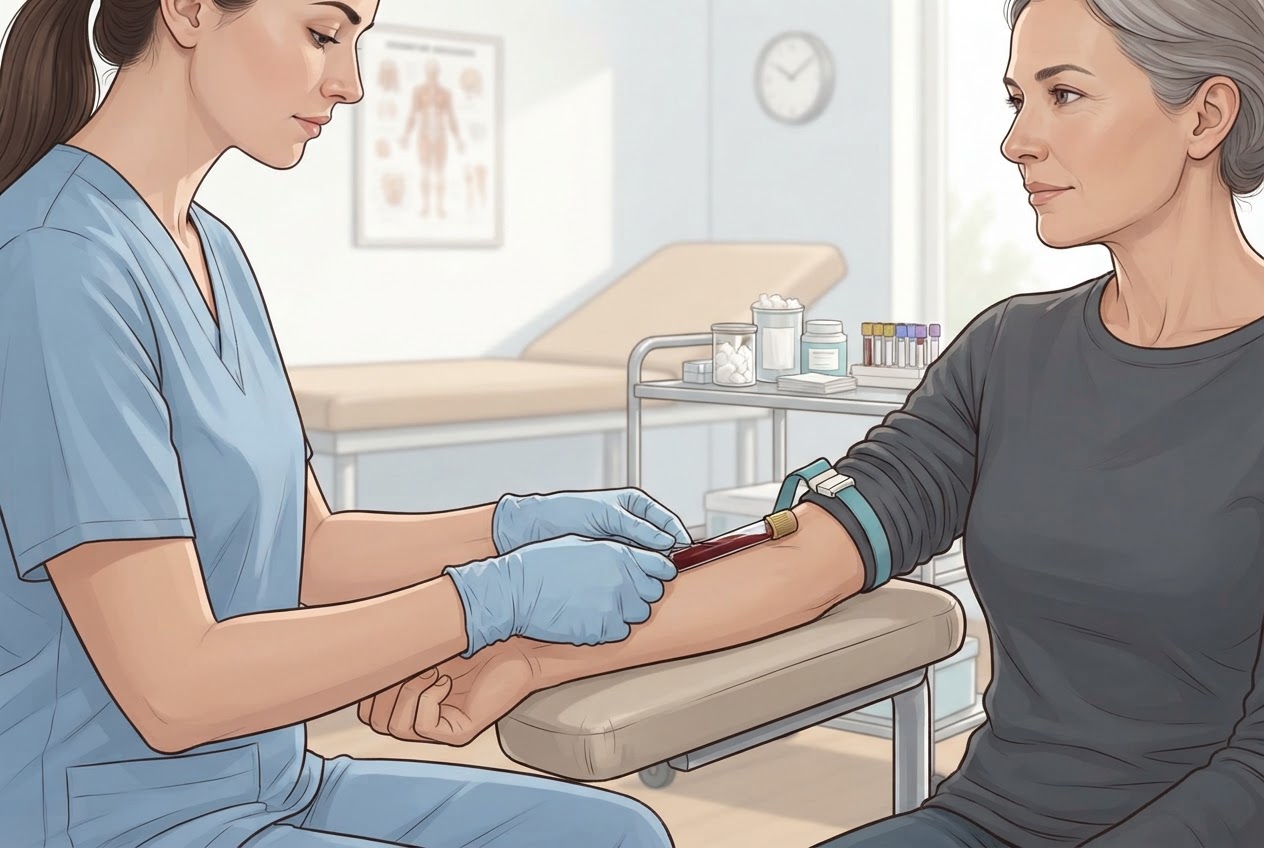
The most important tests are:
- Fasting plasma glucose: Blood sugar is measured after the person has not eaten for at least eight hours.
- HbA1c: This value shows average blood sugar over roughly the past eight to twelve weeks. Fasting is not required for this measurement.
- Oral glucose tolerance test (oGTT): After a standardized sugar solution, blood sugar is measured again. The test helps when other results are unclear or contradict each other.
- Random plasma glucose: This measurement is taken regardless of when the last meal was. If typical symptoms are present, it can contribute to the diagnosis. However, a normal value does not rule out diabetes.
Which Thresholds Apply
The following overview shows the thresholds from the German National Disease Management Guideline on Type 2 Diabetes for adults outside of pregnancy. A value in the diabetes range must be interpreted by a doctor. It alone does not automatically confirm the diagnosis.
| Test | Diabetes range | Range of increased risk |
|---|---|---|
| Fasting plasma glucose | at least 126 mg/dl (7.0 mmol/l) | elevated, but below the diabetes range |
| HbA1c | at least 6.5% (48 mmol/mol) | 5.7 to under 6.5% |
| Random plasma glucose | at least 200 mg/dl (11.1 mmol/l) | no general intermediate range |
| Two-hour value in the 75 g OGTT | at least 200 mg/dl (11.1 mmol/l) | 140–199 mg/dl (7.8–11.0 mmol/l) |
Medical societies interpret fasting values in the elevated-risk range differently: some classify even lower values as an increased risk, while others set the threshold higher. Under both approaches, the threshold for diabetes is 126 mg/dl. An elevated risk value does not yet mean a diabetes diagnosis.
Why a result is confirmed
As a rule, the German National Disease Management Guideline recommends making the diagnosis only after at least two laboratory values in the diabetes range. If there are typical symptoms and a clearly abnormal laboratory value, a single value can be sufficient according to the guideline. If the results are inconsistent or borderline, a further measurement or an OGTT follows, depending on the situation.
The HbA1c value has to be interpreted in light of possible influencing factors. Anemia, blood loss and pregnancy can affect the result. The same applies to certain kidney or liver diseases and to changes in the red blood pigment. The doctor therefore takes symptoms, medical history and other findings into account.
What applies during pregnancy
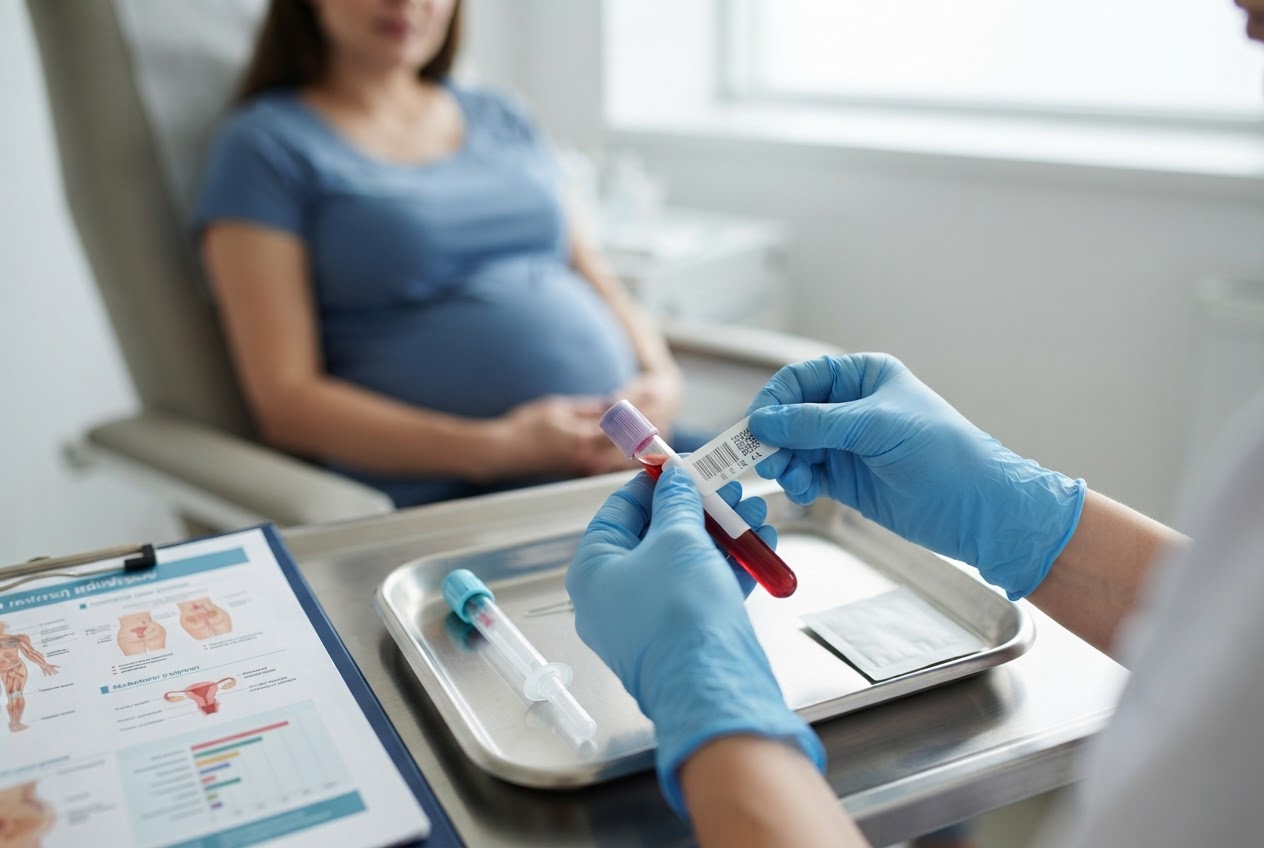
A special test procedure is used to check for gestational diabetes. It uses lower, pregnancy-specific threshold values than the usual diabetes diagnostics for adults. A normal fasting value outside of pregnancy therefore does not rule out gestational diabetes. The practice or midwife providing your care will tell you which test is planned.
How common diabetes is
According to the Robert Koch Institute, around 10.3 percent of adults in Germany reported a medically diagnosed diabetes in 2024; gestational diabetes was excluded. More than 90 percent of diabetes cases are type 2. This figure covers known diagnoses. How many people have undiagnosed diabetes cannot be fully quantified with the current population-wide data.