People with diabetes don’t have to give up everything when it comes to drinks, but the choice does affect blood sugar. Water and unsweetened drinks are the simplest default choice because they provide no carbohydrates. Sugar-sweetened drinks and fruit juices raise blood sugar and are not suitable for regularly quenching thirst. One exception is low blood sugar, when fast-acting carbohydrates are needed.
Good choices for quenching thirst
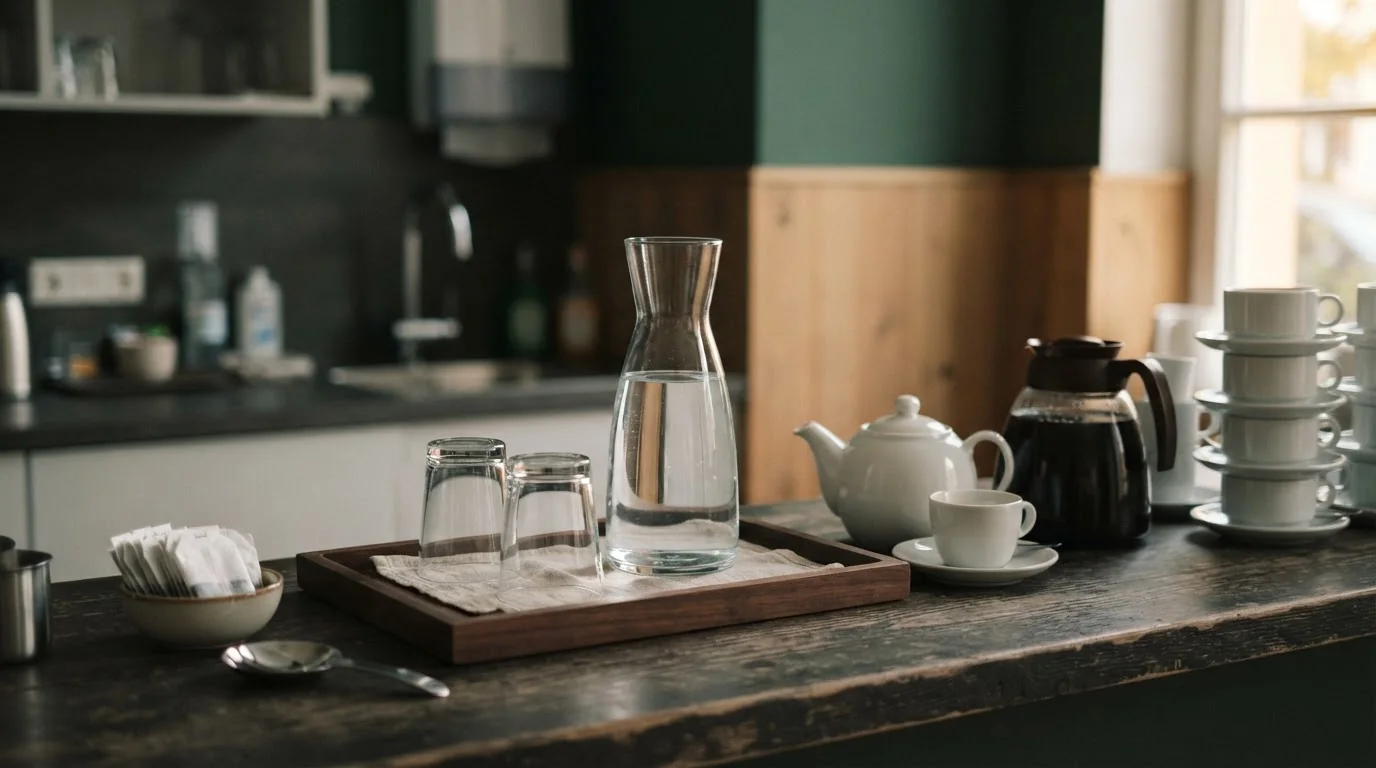
Tap water and mineral water are the first choice. Unsweetened tea, herbal and fruit tea, and coffee without sugar are also good ways to quench your thirst. If you want to add a little flavor to water, you can put in herbs such as mint or a few pieces of fruit, without adding sugar or syrup.
The German Nutrition Society gives around 1.5 liters per day as a general guideline for fluid intake. The patient recommendations of the German Diabetes Association for type 2 diabetes state 1.5 to 2 liters daily. These amounts are guidelines, not a binding requirement for every person. With accompanying conditions such as kidney or liver damage, a different fluid intake may apply. Anyone who is unsure should discuss their personal fluid intake with their healthcare team.
Sugary drinks
Sodas, sweetened iced teas, energy drinks, coffee with sugar and tea with honey provide carbohydrates and can raise blood sugar. The German Diabetes Association recommends that people with type 2 diabetes minimize their intake of such drinks. For sugar-rich soft drinks, the German Nutrition Society gives a sugar content of roughly 80 to 100 grams per liter. This is a rough estimate, not a value that applies to every individual product.
The practical advice is not to choose these drinks for regularly quenching your thirst. Rather than trusting product names, it is worth checking the ingredient list: even flavored water can contain sugar. Recipes differ from brand to brand, and some products have names that sound fruity but mostly provide sugar.
Juice and spritzers
Fruit juice is a borderline case. It naturally contains sugar and carbohydrates, but can also provide nutrients. The German Diabetes Association classes fruit juices alongside sugar-sweetened drinks as unfavorable for blood sugar levels. Juice is therefore not an equivalent thirst quencher to water.
A juice spritzer can be an alternative if someone doesn’t want to give up juice. However, the sources don’t set a uniform mixing ratio. The German Nutrition Society gives a ratio of one part juice to three parts water, while diabetesDE recommends a stronger dilution of one part juice to four or five parts water. No universal optimal amount of juice can be derived from this. If you drink juice, keep the portion small and don’t drink the spritzer throughout the day as a substitute for water.
Smoothies are likewise not an everyday thirst quencher. They often contain a lot of fruit and therefore carbohydrates. Whole fruit has the advantage over juice that it provides more fiber, which can slow the absorption of sugar.
Milk and plant-based drinks
Milk is not a calorie-free or carbohydrate-free thirst quencher.
Plant-based alternatives such as oat, almond or soy drinks vary greatly in sugar content. Some varieties are unsweetened, while others contain added sugar. The ingredient list and nutrition information on the packaging help when comparing them. Anyone who regularly drinks milk or plant-based drinks should include the carbohydrates in their daily balance.
Light and zero drinks
Light and zero drinks contain no or hardly any calories and generally provide no significant carbohydrates. Anyone who switches from a sugary drink to a sugar-free version reduces the sugar and carbohydrate intake from the drink. However, that doesn’t automatically make these drinks a necessary or healthier replacement for water.
The German Nutrition Society considers light drinks less advisable, among other reasons because they can encourage a taste for sweetness. The American Diabetes Association recommends water over both sugary and non-nutritively sweetened drinks. In 2023, the World Health Organization issued a recommendation against using non-sugar sweeteners for long-term weight control; this recommendation explicitly does not apply to people who already have diabetes. The long-term effects of sweeteners on weight and health are not assessed consistently across the recommendations. Water remains the first choice.
Alcohol with caution
Alcohol is not a drink for hydration. It can affect blood sugar and carries a risk of delayed low blood sugar, especially for people who inject insulin or take medication that stimulates insulin release. The German Nutrition Society states, at a population level, that it is best for health not to drink any alcohol. The German Diabetes Association describes small amounts as compatible with good metabolic control and refers to the general low-risk guideline of under 27 grams of alcohol per week, revised downward in 2024. This figure is not a drinking target, not a guarantee of safety and not an individual recommendation. Alcohol should not be consumed daily. Anyone who drinks should discuss their own therapy and personal situation with their healthcare team.
Low blood sugar: the exception
When blood sugar is low, a sugary drink can make sense because fast-acting carbohydrates raise blood sugar. For many affected people, the American Diabetes Association describes a general rule: 15 grams of fast-acting carbohydrates, then measure again after 15 minutes. It names half a cup of juice or regular, non-sugar-free soda as a possible source. diabetesDE also names sugary drinks or juice as a possible help and recommends measuring again after 15 minutes.
This exception must not be confused with everyday drink choices. The amount of carbohydrates needed can vary depending on the person, age and therapy. An individual dose cannot be specified here. If a person is unconscious, no liquid should be given; immediate emergency help is then needed. Anyone who regularly has low blood sugar should clarify the specific approach with their healthcare team.