Pizza is not generally off-limits with diabetes. Whether it fits into everyday life depends on portion size, dough composition, toppings and the individual glucose response. There is no universal rule for everyone with diabetes.
Dough and toppings affect blood sugar, and portion size determines how much it rises. When choosing a pizza, the dough, toppings and portion size are what matter.
No Blanket Ban
In its practice guidelines for type 2 diabetes, the German Diabetes Association (Deutsche Diabetes Gesellschaft, DDG) recommends various dietary patterns and does not endorse a single universal model. As common guidance, it names, among other things, non-starchy vegetables and as little processed food as possible. For type 1 diabetes, the DDG likewise stresses individualizing nutrition. These recommendations do not amount to a special approval of every pizza, but they argue against the oversimplified claim that pizza is taboo for everyone with diabetes.
What Affects Blood Sugar
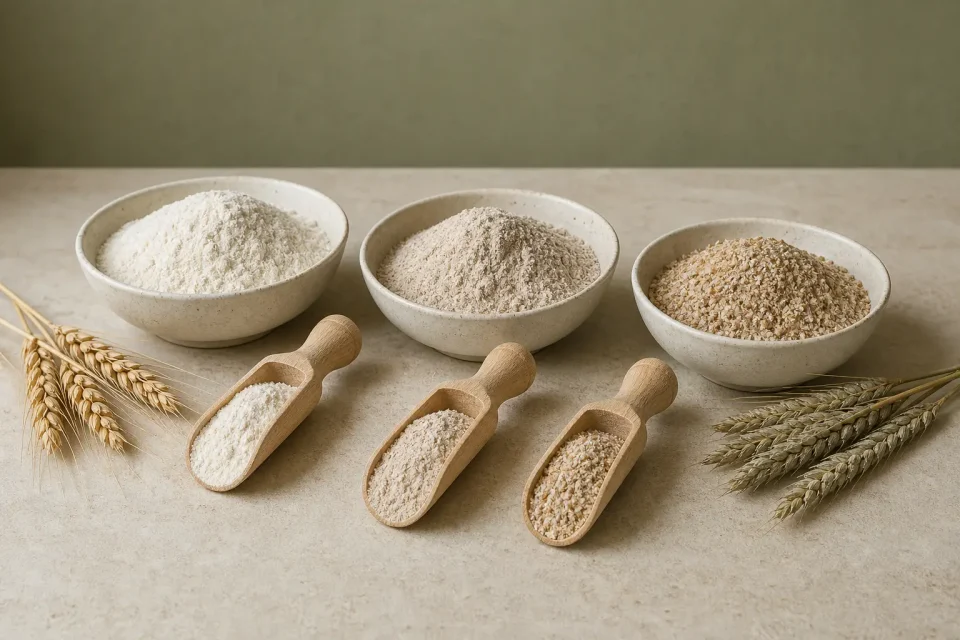
Pizza dough is the main source of carbohydrates. The amount of carbohydrates varies with the size, thickness and composition of the base, as well as the portion actually eaten. Toppings and recipes also differ widely. The DDG patient recommendations for type 2 diabetes list pizza as a carbohydrate-containing food and refer to the product label for quantities. There is no universally valid carbohydrate value per slice of pizza.
Besides carbohydrates, pizza often contains fat and protein. Diabetes UK points out that high-fat meals such as pizza can slow the absorption of carbohydrates into the blood. As a result, blood sugar can keep rising for hours after eating. For people who use insulin, this can create a timing mismatch between the effect of the insulin and the delayed absorption of carbohydrates. This describes a possible pattern, not an individual dosing recommendation.
What to Look for in Portion and Choice
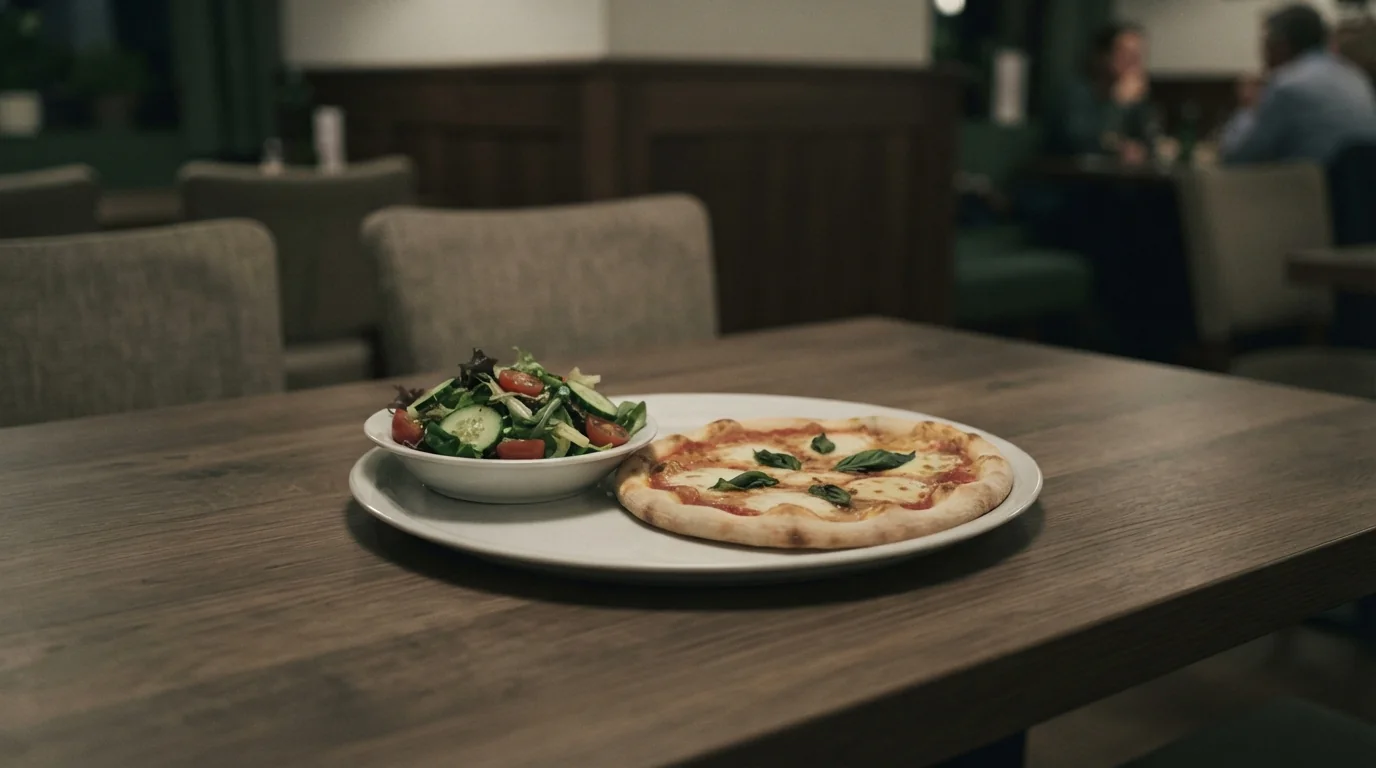
The following tips can help you assess the meal. Diabetes UK recommends considering portion size and toppings. Thin crusts, sharing a pizza and adding a side salad can help you manage the portion. These are practical aids for choosing, not a guarantee of any particular blood sugar pattern.
For balanced meals, the American Diabetes Association suggests filling half of a plate with non-starchy vegetables and one quarter each with lean protein and suitable carbohydrate sources. This model can serve as general guidance, not as a rigid rule for every pizza. In practice, that means: check the nutritional information, take into account the amount you actually eat and add vegetables or salad if needed.
What Applies to Type 1 Diabetes and Insulin Therapy
For people with type 1 diabetes, the DDG recommends being able to estimate the amount of carbohydrates per meal as accurately as possible. One carbohydrate unit (KE) equals 10 grams of carbohydrates. This recommendation serves diabetes management in type 1 and is not a blanket portion guideline for everyone with diabetes.
The DDG emphasizes that the glucose response to meals very high in fat or protein can vary from person to person. It sees insufficient evidence that everyone affected should calculate the fat and protein content of every meal in order to routinely derive an additional bolus. Instead, it highlights individual responses and tracking them. A controlled study of adults with type 1 diabetes on insulin pump therapy showed, at the same insulin dose, that more fat in the test meal was associated with a lower glucose effect in the first two hours and a higher one in hours two to five. The test meals were not pizza, so the results cannot be applied directly to a specific pizza recipe.
What Cannot Be Said in General
No universally valid statements can be drawn from the available sources. There is no reliable standard value for carbohydrates per slice of pizza that applies across different sizes, bases, brands and toppings. The one pizza-specific study found covers only eight people with type 1 diabetes and is fairly old. It demonstrates neither a universal effect in everyone affected nor a current treatment recommendation.
Classifying pizza as a food with a medium glycemic index likewise does not replace taking the carbohydrate amount and portion size into account. The glycemic index alone says little about how a specific portion will affect you. Recommendations on vegetables, fiber and less processed foods refer to dietary patterns. Whether a specific change in toppings produces a particular glucose effect in a given person therefore remains an open question.