If you notice intense thirst, frequent urination or unusual tiredness, you may wonder whether diabetes is behind it. Such symptoms can point to elevated blood sugar, but they do not prove the condition. Type 2 diabetes, too, often goes unnoticed for a long time. Doctors make a reliable diagnosis based on laboratory values.
Diabetes mellitus covers several metabolic disorders. In these conditions, blood sugar stays elevated because the body produces too little insulin or does not respond adequately to the hormone. Insulin helps move sugar from the blood into the body’s cells. Which symptoms occur and which treatment is appropriate depends mainly on the type of diabetes.

Symptoms provide first clues
Elevated blood sugar can cause intense thirst, frequent urination, tiredness and lack of energy. Nausea, dizziness, blurred vision or unexplained weight loss also occur. However, these signs can have other possible causes as well. A single symptom or a reading from a home device is therefore not enough for a diagnosis.
In type 1 diabetes, symptoms often develop within days or weeks. Type 2 diabetes, by contrast, can develop slowly and be barely noticeable at first. If you notice persistent symptoms, you should have them checked by a doctor. If your condition worsens rapidly or you feel seriously ill, you need medical help immediately.
Type 1 and type 2 develop differently
In type 1 diabetes, the immune system attacks the insulin-producing cells of the pancreas, so insulin production is severely reduced or stops altogether. A genetic predisposition can increase the risk; specific external triggers have not been clearly established. Type 1 is not the result of personal choices about diet or exercise.
In type 2, the body’s cells respond less and less well to insulin. Over time, the pancreas often can no longer make up for this increased demand. In type 2, hereditary predisposition and other factors combine. These include older age and a family history of the condition. Being overweight, lack of exercise and smoking also play a role. Elevated blood pressure or blood lipid levels are also among the factors. A previous case of gestational diabetes also raises the later risk. Individual risk factors do not automatically explain why a particular person has developed the condition.
According to the Robert Koch Institute, type 2 accounts for more than 90 percent of diabetes cases. There are also rarer forms, for example resulting from genetic causes or diseases of the pancreas. Gestational diabetes is first diagnosed during pregnancy and requires its own evaluation and care.
Diagnosis requires laboratory values
To make a diagnosis, the doctor takes symptoms and medical history into account and has laboratory values tested. The German National Disease Management Guideline on type 2 diabetes recommends standardized tests using blood from a vein. Blood glucose self-monitoring devices are generally not suitable for diagnosing diabetes.
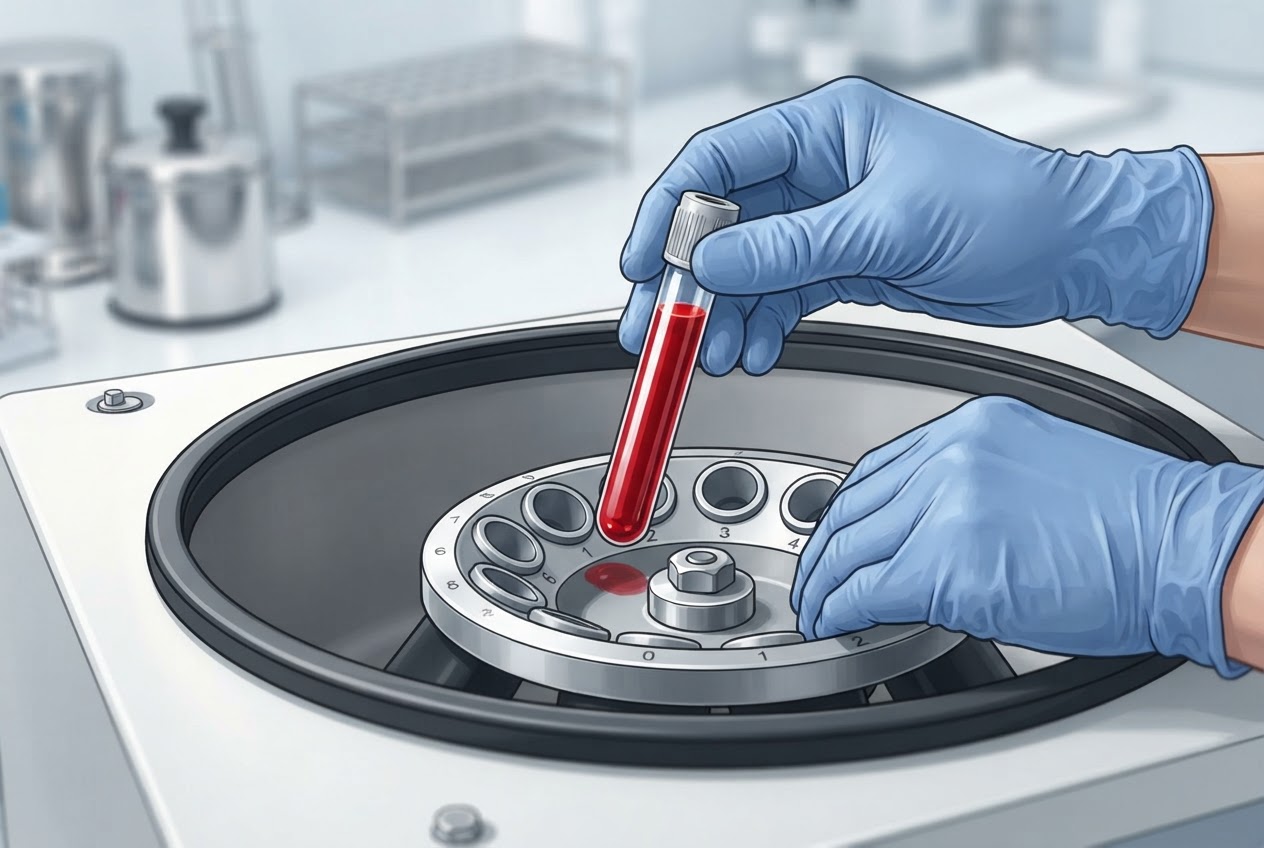
For adults, the guideline specifies the following diabetes thresholds. The HbA1c value shows how high blood sugar has been over the past several weeks:
| Test | Threshold |
|---|---|
| Fasting blood glucose in blood plasma | at least 126 mg/dl (7.0 mmol/l) |
| Long-term blood glucose value HbA1c | at least 6.5% (48 mmol/mol) |
| Random blood glucose in blood plasma | at least 200 mg/dl (11.1 mmol/l), provided the value is clearly pathological |
| Blood glucose two hours after an oral glucose tolerance test | at least 200 mg/dl (11.1 mmol/l) |
Certain health conditions can affect how reliable the HbA1c value is; other laboratory values must also be assessed in context. In principle, the guideline calls for a diagnosis based on confirmed abnormal laboratory results. A single value from a self-measurement is not a confirmed diagnosis.
Between a normal value and the diabetes threshold lies a range that can indicate an increased risk. Medical societies in some cases set the limit for elevated fasting values differently. This does not change the diabetes threshold of 126 mg/dl, but it shows why a value below this threshold is not automatically considered diabetes.
Treatment depends on the type
People with type 1 diabetes need insulin because their bodies produce too little or no insulin. They inject it or use an insulin pump, and they check their blood sugar regularly. The amount of insulin must match their individual needs. Too much insulin lowers blood sugar too far, while too little leaves it too high.

In type 2, exercise and a suitable diet are often part of treatment. Whether blood-sugar-lowering medication is also needed depends, among other things, on the laboratory results, the course of the disease and any other conditions present. Tablets and injectable medications are available for this purpose; some people later need insulin. For some people, lifestyle changes improve blood sugar levels. However, they do not replace medication in every case.
The healthcare professional and the person affected set treatment goals together. Blood sugar values are not the only consideration: heart and kidney conditions as well as personal circumstances can also influence the choice of medication. A universal HbA1c target therefore does not suit everyone.
Gestational diabetes is detected through tests during pregnancy, even when there are no symptoms. It can pose risks for mother and child, and for the mother it is associated with a higher later risk of type 2 diabetes. The appropriate evaluation and treatment should be discussed with the practice providing your care.
Check-ups reduce health risks
Persistently elevated blood sugar can damage blood vessels and nerves. The damage can affect the heart and circulation, kidneys, eyes, nerves and feet, among other areas. Such complications do not necessarily occur. Appropriate treatment and regular check-ups help to keep risks in view.

Depending on the situation, doctors check blood pressure and blood lipids in addition to blood sugar. Other areas that are monitored include the eyes and kidneys as well as nerves and feet. If you receive a diagnosis, you should clarify which check-ups you personally need and when they should take place.
The Robert Koch Institute reported for 2024 that 10.3 percent of adults in Germany stated they had a medically diagnosed case of diabetes. The figure covers known, self-reported diagnoses and is not a current estimate of all undetected cases. It describes how widespread the condition is, but says nothing about the personal risk or the course of the disease for any individual.