Type 2 diabetes is a condition in which too much glucose, or sugar, stays in the blood. It is usually caused by a combination of reduced insulin action and declining insulin production. Insulin is a hormone that helps move glucose from the blood into the body’s cells.
The condition often develops over a long period and may cause no clear symptoms at first. Doctors make the diagnosis based on laboratory values and their clinical assessment. Symptoms or readings from a home device are not enough on their own. Treatment includes jointly agreed goals and changes to daily life. Medication is added when it is needed. Type 2 diabetes has several causes and is not a sign of personal failure.
How Type 2 Diabetes Develops
In type 2 diabetes, the body’s cells respond less sensitively to insulin. This reduced sensitivity is called insulin resistance. At first, the pancreas often compensates for the reduced effect by producing more insulin. Over time, in some people this extra production is no longer enough. Blood sugar then rises.
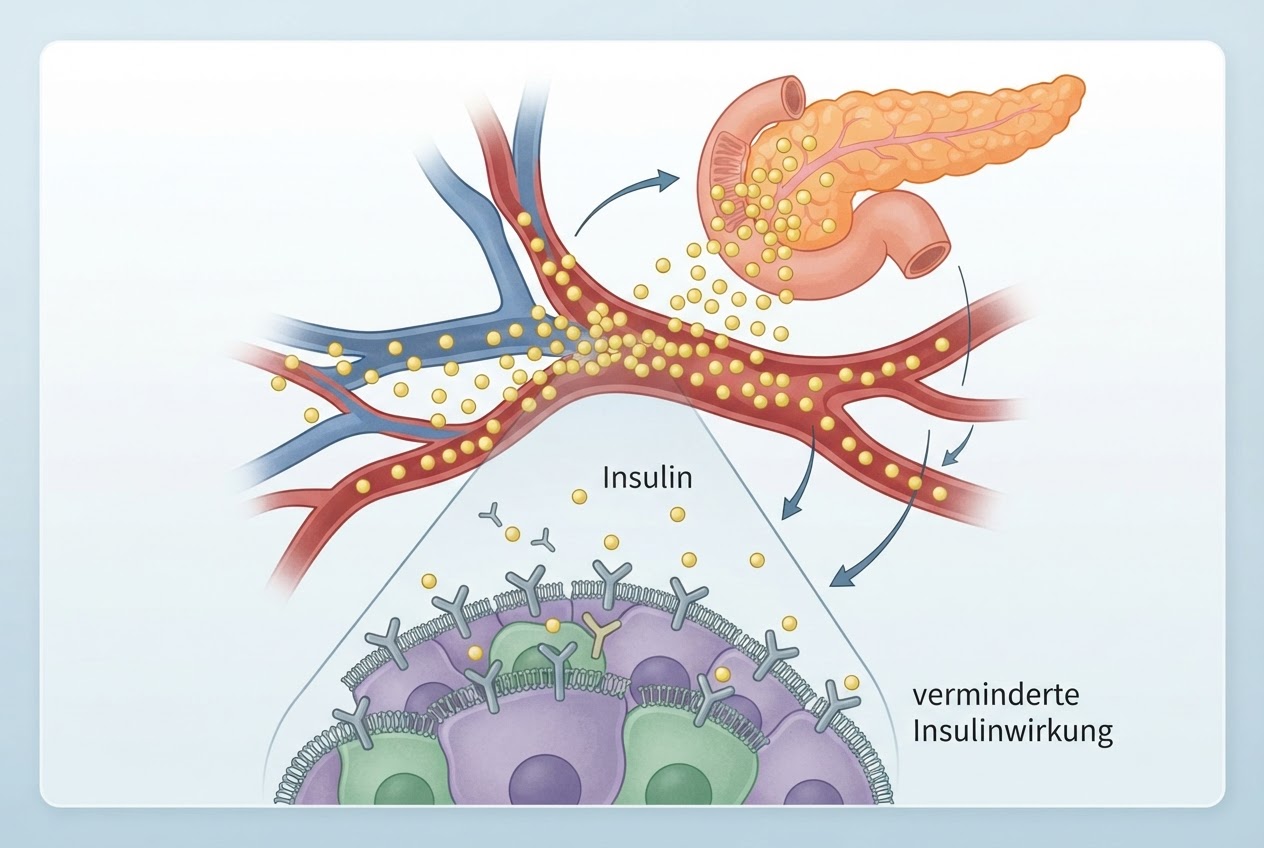
The risk depends on several factors. These include genetic predisposition and a family history of the condition. Other health and social conditions, as well as certain medications, can also play a role. Being overweight and obesity increase the risk. Type 2 diabetes also occurs in people who are not overweight. A single risk factor therefore cannot explain why a particular person developed the condition.
Type 2 diabetes differs from type 1 diabetes. In type 1, an autoimmune reaction destroys the insulin-producing cells of the pancreas. Age or body weight alone are not enough to determine the type of diabetes. If the course of the disease or the test results are atypical, the treating professional will also consider other forms of diabetes and possible causes.
How the Diagnosis Is Made
Diabetes can cause intense thirst and frequent urination. Tiredness, weakness or vision problems are also possible. However, some people have no noticeable symptoms for a long time. Symptoms alone do not confirm the diagnosis. A medical evaluation takes into account, among other things, the medical history, medications and test results. This includes laboratory values from venous blood collected according to defined quality standards.
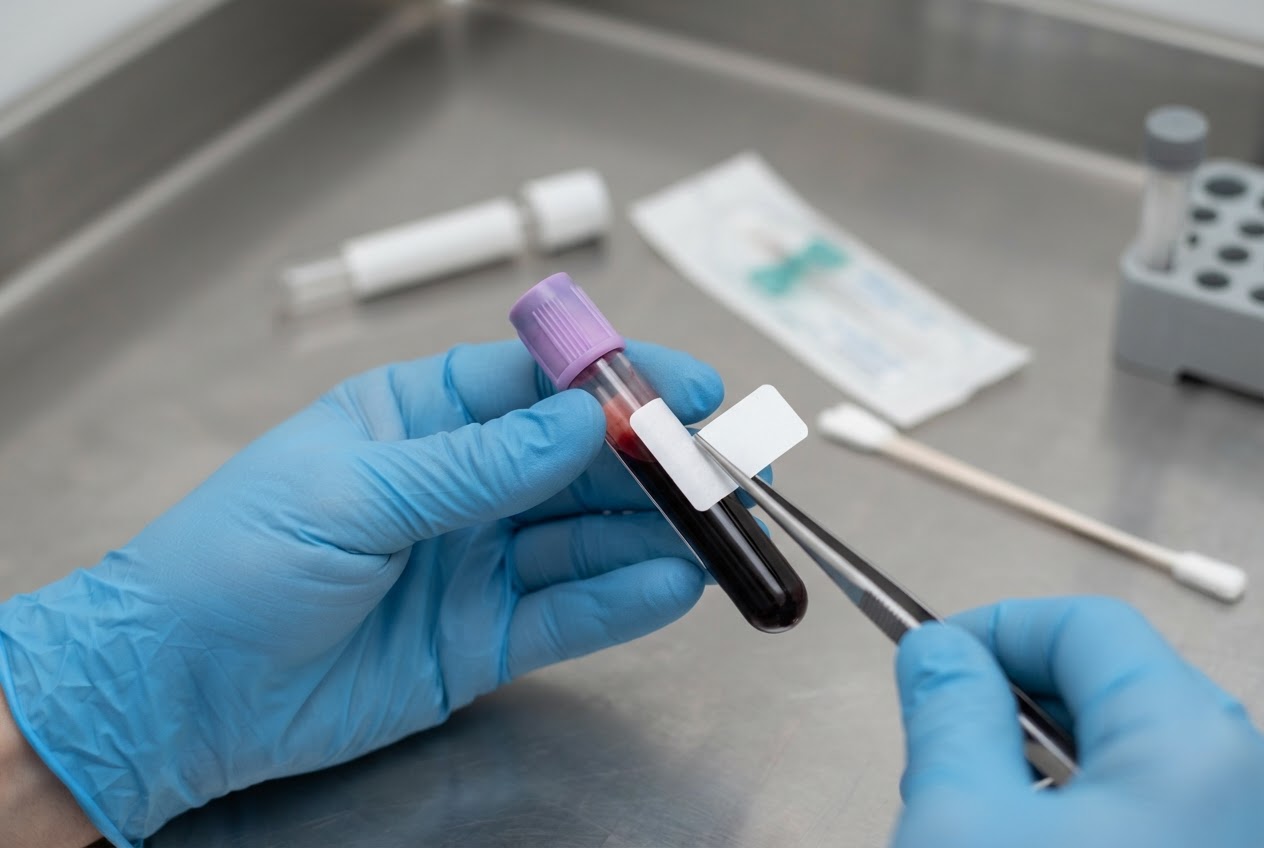
The German National Disease Management Guideline on Type 2 Diabetes lists the following laboratory thresholds that indicate diabetes:
| Laboratory value | Diabetes threshold |
|---|---|
| Fasting plasma glucose | at least 126 mg/dl (7.0 mmol/l) |
| HbA1c | at least 6.5% (48 mmol/mol) |
| Random plasma glucose | at least 200 mg/dl (11.1 mmol/l) |
The HbA1c value shows average blood sugar over the past weeks. To confirm the diagnosis, the guideline generally recommends at least two abnormal laboratory values. If the results are close to a threshold or contradict each other, a repeat test may be useful. In clear clinical situations, exceptions apply, which a professional will assess. Self-monitoring devices are generally not suitable for making a diagnosis.
Elevated values do not automatically mean diabetes. The guideline classifies a fasting plasma glucose of 100 to 125 mg/dl and an HbA1c of 5.7 to under 6.5% as an increased risk of diabetes. HbA1c must also be interpreted in context, because certain circumstances affect how reliable it is.
What Treatment Aims to Achieve
Treatment goals take into account a person’s life situation and any other conditions. Possible risks and the wishes of the person concerned are also considered. The doctor sets the goals together with the person concerned. The goals cover blood sugar, the prevention of complications and a treatment that is manageable in everyday life.
Diet and exercise can complement treatment. Support with weight management can also help. Which changes are suitable depends on personal circumstances and needs. This does not mean there are general bans on individual foods or one particular diet for everyone. Non-drug measures are important, but they should not delay necessary medication. If an agreed goal is not reached, the doctor and the person concerned first review the measures taken so far. They also discuss whether these are manageable in everyday life and what obstacles there are. Depending on the benefits and burdens, adjusting or reducing the treatment may also make sense.
When Medication Is Used
When medication is needed, the choice depends on factors such as the treatment goals and other conditions. Risks and tolerability are also taken into account, as are personal preferences. Version 3 of the National Disease Management Guideline describes metformin as the usual first drug option for people without a high cardiovascular risk. For a cardiovascular disease that is relevant to treatment, this guideline considers options such as SGLT2 inhibitors or GLP-1 receptor agonists. These are groups of medications that affect blood sugar in different ways.
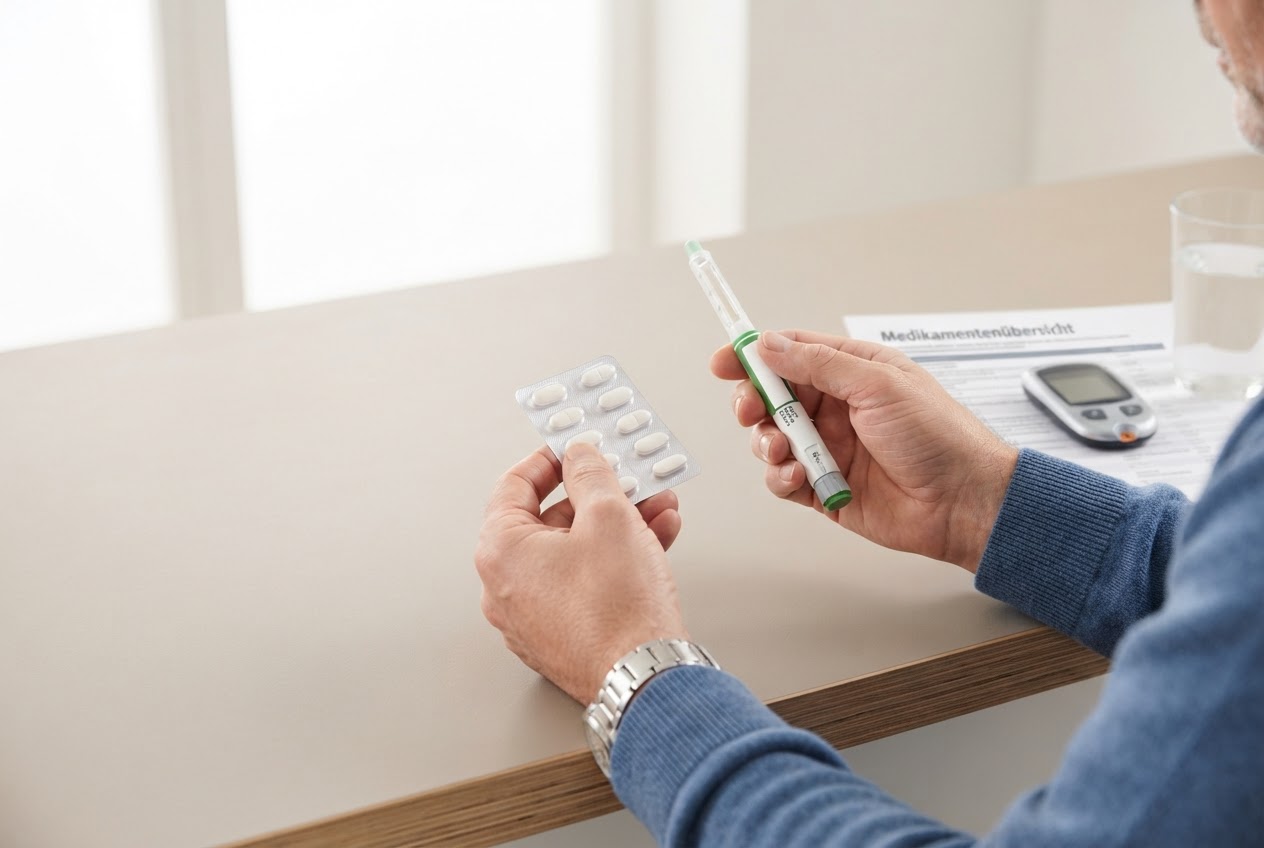
Recommendations on individual active substances depend on the current version of the guideline and the specific situation; in 2025, the German Diabetes Association published its own practical treatment recommendation. A general description is therefore not enough to choose the right medication for an individual person. The treating professional weighs benefits and risks, including any heart or kidney conditions.
Insulin lowers blood sugar and may be necessary in cases of severe metabolic decompensation, certain acute illnesses or when other measures are not working well enough. Depending on the situation, it is used temporarily or long term. Possible burdens include low blood sugar and weight gain. If the original reason for insulin treatment no longer applies, the professional can check whether the treatment can be adjusted. Needing insulin is a result of the course of the disease or a specific medical situation, not a personal failure.
What Remission Means
Remission means that blood sugar levels fall back below the diabetes threshold without blood-sugar-lowering medication. This is not the same as a guaranteed or permanent cure; check-ups remain necessary.
The DiRECT study examined an intensive weight management program in adults who had been diagnosed with type 2 diabetes no more than six years earlier. After twelve months, 46% of participants in the intervention group and 4% in the control group met the study’s definition of remission: an HbA1c below 6.5% after at least two months without blood-sugar-lowering medication. After two years, the proportion in the intervention group was 36%. These results apply to the group studied and the study’s program. They do not prove that remission is achievable for everyone or that it is permanent.