Intense thirst and frequent urination can point to type 1 diabetes. Tiredness and unexplained weight loss are also possible signs. If several of these symptoms appear suddenly or quickly get worse, a doctor’s office should be contacted the same day. Type 1 diabetes can affect children, teenagers and adults.

In this condition, the immune system attacks the insulin-producing cells of the pancreas. Insulin is a hormone that moves sugar from the blood into the body’s cells. When there is hardly any insulin, blood sugar rises. A severe lack of insulin can trigger diabetic ketoacidosis. This is a dangerous metabolic derailment that must be treated immediately.
Recognizing early symptoms
Symptoms often develop within a few days or weeks. The combination of intense thirst, frequent urination, marked tiredness and unintended weight loss is particularly typical. Affected people drink more, pass more urine and lose weight despite normal or increased food intake. Muscle weakness or blurred vision can also occur.
Each individual symptom can have other causes. If several symptoms appear suddenly and get worse, blood sugar should be checked promptly. In children and teenagers, a suspected case should be medically assessed particularly quickly. A list of symptoms or a single reading at home is not enough to confirm the diagnosis.
Recognizing ketoacidosis as an emergency
When insulin is severely lacking, the body produces so-called ketone bodies. If their level rises sharply, the blood becomes too acidic. Nausea or vomiting and abdominal pain are warning signs of ketoacidosis. Deep or labored breathing is also one of them, as is a sweet, fruity smell on the breath. Severe drowsiness or impaired consciousness are alarm signs.
These symptoms require immediate medical help. In case of severe shortness of breath, impaired consciousness or unconsciousness, call emergency services on 112. Ketoacidosis can be the first noticeable sign of previously undiagnosed type 1 diabetes. In a German registry analysis of children and teenagers diagnosed with type 1 diabetes between 2011 and June 2023, 25.3 percent had ketoacidosis at the time of diagnosis. This figure describes children and teenagers in that period, not the individual risk of any one person.
What to do if you suspect type 1 diabetes
For typical symptoms without severe emergency signs, a doctor’s office should be contacted the same day. Outside opening hours, the on-call medical service can tell you where to get help. If there are possible signs of ketoacidosis, do not wait for a regular appointment.
People who already have type 1 diabetes should follow their personal emergency plan when ill and seek medical advice. The same applies to problems with an insulin pump or an interrupted insulin supply. Ketone test strips help measure ketone bodies; people with type 1 diabetes should know how to use them and interpret the results. Insulin doses should not be changed based on general online instructions.
Why type 1 diabetes develops
Type 1 diabetes is an autoimmune disease: the immune system turns against the insulin-producing beta cells of the pancreas. Why this process begins is not fully understood. Hereditary factors can influence the risk, but a family history does not mean the disease will inevitably occur. Possible environmental influences are being studied, but have not been proven to be a clear cause.
Type 1 diabetes is not caused by too much sugar, lack of exercise or an unhealthy lifestyle. Diet and exercise do not cause this autoimmune disease.
How doctors make the diagnosis
Doctors measure blood sugar and assess the symptoms. The HbA1c value shows the average blood sugar level over the past two to three months. If the type of diabetes is unclear, blood tests for certain autoantibodies can help classify it. No single value should be assessed independently of the clinical findings.
If ketoacidosis is suspected, immediate examinations and treatment are necessary. The assessment belongs in medical hands; a home blood sugar test is no substitute.
How type 1 diabetes is treated
Type 1 diabetes cannot currently be cured. Treatment replaces the missing insulin. Affected people inject it with a pen or receive it through an insulin pump. Regular blood sugar checks, including with a sensor for continuous glucose monitoring, help adjust the amount of insulin to meals, exercise and daily life.
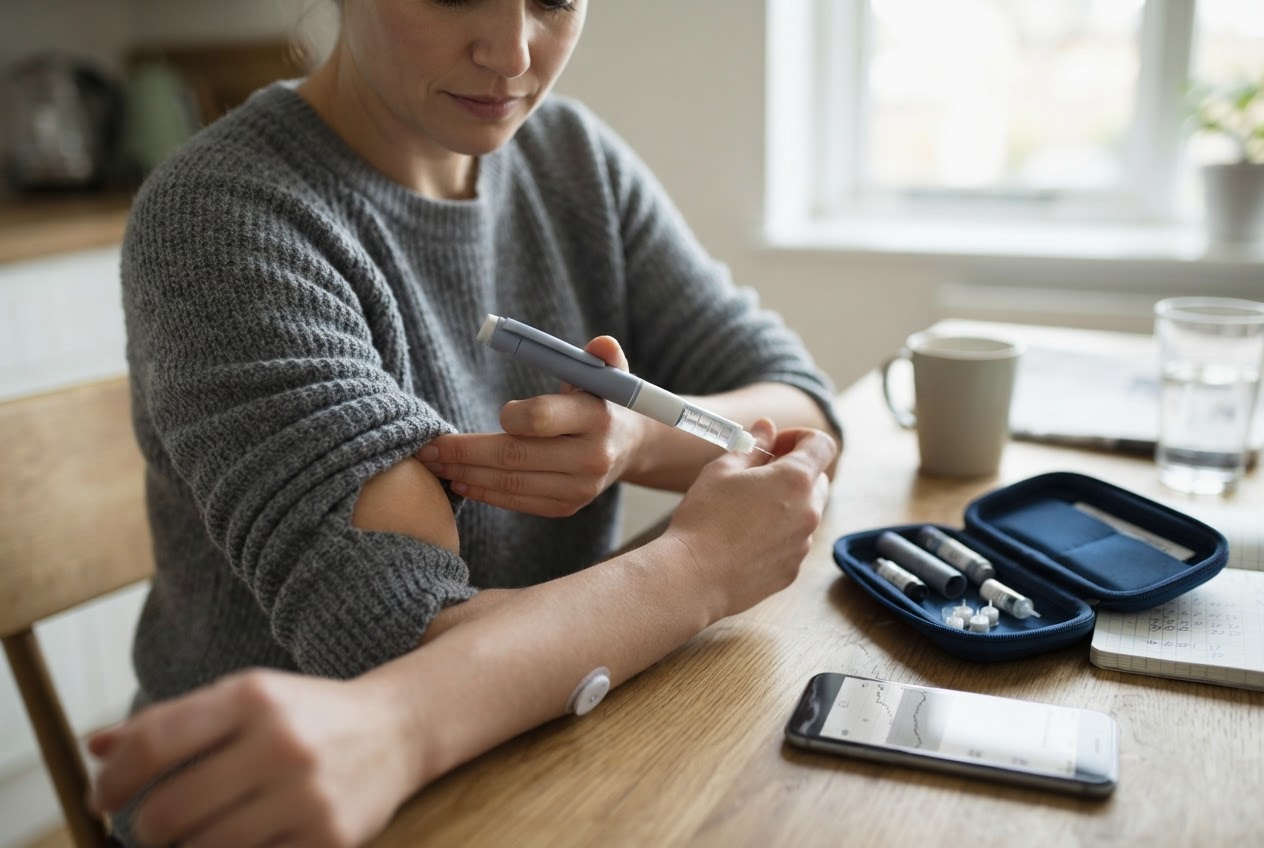
Treatment is tailored to the individual. Too much insulin can cause low blood sugar, which is why training and a personal treatment plan are part of care. Ketoacidosis is treated in hospital, including with fluids, electrolytes and insulin.