Anyone who notices persistent thirst, frequent urination or unexplained weight loss should have a doctor check for diabetes. These symptoms can point to elevated blood sugar levels. However, type 2 diabetes often goes unnoticed for a long time, and individual symptoms do not prove that someone has the condition.
Your doctor will examine you, make a diagnosis and determine the type of diabetes. Your personal risks and living circumstances are taken into account. Only then can it be decided which measures are appropriate. The following steps are aimed mainly at adults with possible or confirmed type 2 diabetes. Type 1 diabetes, gestational diabetes and diabetes in children require their own treatment paths.
Step 1: Assess your symptoms
Severe thirst, frequent urination, fatigue and lack of energy are possible signs of diabetes. In type 1, marked weight loss and a rapid onset of symptoms may also occur. Type 2 diabetes, by contrast, often causes no noticeable symptoms for a long time. You can have type 2 diabetes even without any symptoms.
Make a doctor’s appointment if symptoms persist or you lose weight without explanation. Known risk factors such as diabetes in the family, high blood pressure or previous gestational diabetes are also a reason to ask about a possible examination. A blood glucose meter at home can show an abnormal value, but it is not a medical diagnosis.
Step 2: Recognize acute warning signs
Vomiting, abdominal pain, marked dehydration, unusual breathing or drowsiness can point to a severe metabolic disorder. In type 1 diabetes, this disorder can occur as diabetic ketoacidosis, a dangerous acidification of the blood. It must be medically evaluated urgently. If consciousness is impaired or the condition is quickly getting worse, immediate help is needed.
These symptoms are not something to leave for your next routine appointment. In this situation, do not wait for a scheduled examination.
Step 3: Discuss risks
Type 2 diabetes develops from several factors working together. The body’s cells respond less and less well to insulin, the hormone that regulates blood sugar. At first, the pancreas can partly compensate for the reduced effect by producing more insulin. When that is no longer enough, blood sugar rises.
Risk factors for type 2 diabetes include diabetes in the family, older age, lack of exercise, abdominal fat, smoking and certain metabolic problems. Previous gestational diabetes can also increase the risk. These factors are pointers for a medical assessment, but they are neither proof of diabetes nor an explanation for an individual case.
Type 1 develops differently: the body’s own immune system attacks and destroys the insulin-producing cells of the pancreas. As a result, the body produces too little insulin or none at all. The exact triggers have not been fully established. Type 1 diabetes is not the result of a particular lifestyle and can begin at any age.
Step 4: Confirm the diagnosis with lab values
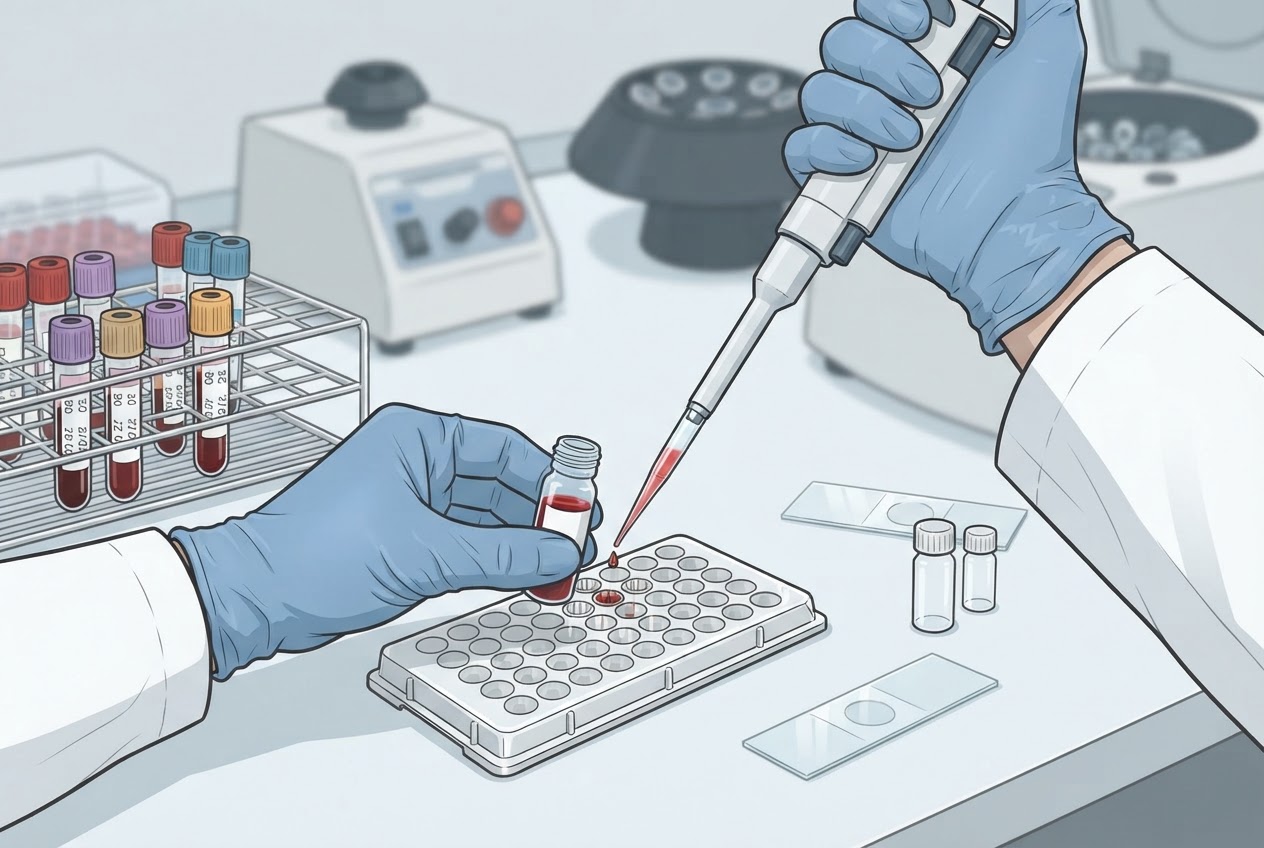
To make the diagnosis, your doctor uses lab values. These include fasting blood glucose, the HbA1c value, which reflects average blood sugar over the past weeks, and, if needed, an oral glucose tolerance test. This test measures how the body processes a set amount of sugar.
| Measurement | Diabetes range |
|---|---|
| Fasting plasma glucose | at least 126 mg/dl (7.0 mmol/l) |
| HbA1c | at least 6.5 percent (48 mmol/mol) |
| Blood sugar two hours after an oral glucose tolerance test | at least 200 mg/dl (11.1 mmol/l) |
| Random plasma glucose | at least 200 mg/dl (11.1 mmol/l) |
For a reliable diagnosis, the German Diabetes Association calls for two independent measurements. With typical symptoms, a high random value can support the suspicion; the doctor then checks which further measurements are needed. According to the National Disease Management Guideline, a fasting value of 110 to 125 mg/dl indicates an elevated risk of diabetes, not confirmed diabetes.
Step 5: Determine the type of diabetes
Treatment depends on whether the person has type 1 or type 2. Age alone is not enough to tell them apart. A rapid onset, weight loss or a metabolic crisis can be reasons to examine the suspected type of diabetes more closely.
In adults, a slowly progressing form of type 1 diabetes, known as LADA, can initially look like type 2 diabetes. In this form, the body’s own immune system attacks the insulin-producing cells. The diagnostic criteria are not uniform. When the classification is unclear, doctors can test for autoantibodies or C-peptide, among other things. C-peptide gives clues about how much insulin the body still produces itself. Such tests should be considered especially when the course of the disease does not fit the previous classification.
Step 6: Take goals and daily life into account
Before choosing a treatment, doctor and patient should discuss the patient’s health status and personal goals. Besides blood sugar, this includes blood pressure, blood lipids, weight, other conditions and possible risks of treatment. It also matters which changes are realistic in everyday life and which burdens the person wants to avoid.

A target value is not automatically right for everyone. Benefits, possible side effects, life circumstances and personal preferences all belong in the shared decision. For type 2 diabetes, the National Disease Management Guideline gives 140/90 mmHg as a guide for blood pressure, which can be adjusted individually.
Step 7: Choose the right treatment
In type 1, insulin is part of the treatment because the body no longer provides enough of its own insulin. The specific treatment and dosage must be determined individually by a doctor. This also includes training and support in dealing with blood sugar values and acute risks.
In type 2, treatment is based on the agreed goals and the person’s starting health situation. Exercise and weight loss can be helpful components. Whether medication is added depends on blood sugar levels, other conditions and the advantages and disadvantages of the available active substances, among other factors.
For type 2 diabetes with significant cardiovascular disease, the guideline recommends combining metformin with an SGLT2 inhibitor or a GLP-1 receptor agonist. Both groups of active substances affect metabolism in different ways. The choice requires an individual weighing of benefits and risks and is not a blanket recommendation for everyone with type 2.
Insulin can also become necessary in type 2, for example if personal goals cannot be reached with other measures or if there is a metabolic crisis. If the health situation changes, the doctor can review whether the treatment should be adjusted or whether temporary insulin therapy can be reduced again. People with diabetes should not start, stop or change the dose of medication on their own.
Step 8: Review the treatment
Treatment doesn’t necessarily stay the same forever. At follow-up appointments, the doctor and patient discuss whether the agreed goals are being met, whether any symptoms or side effects have appeared, and whether any accompanying conditions or life circumstances have changed. The doctor and patient then decide whether to continue or adjust the treatment.
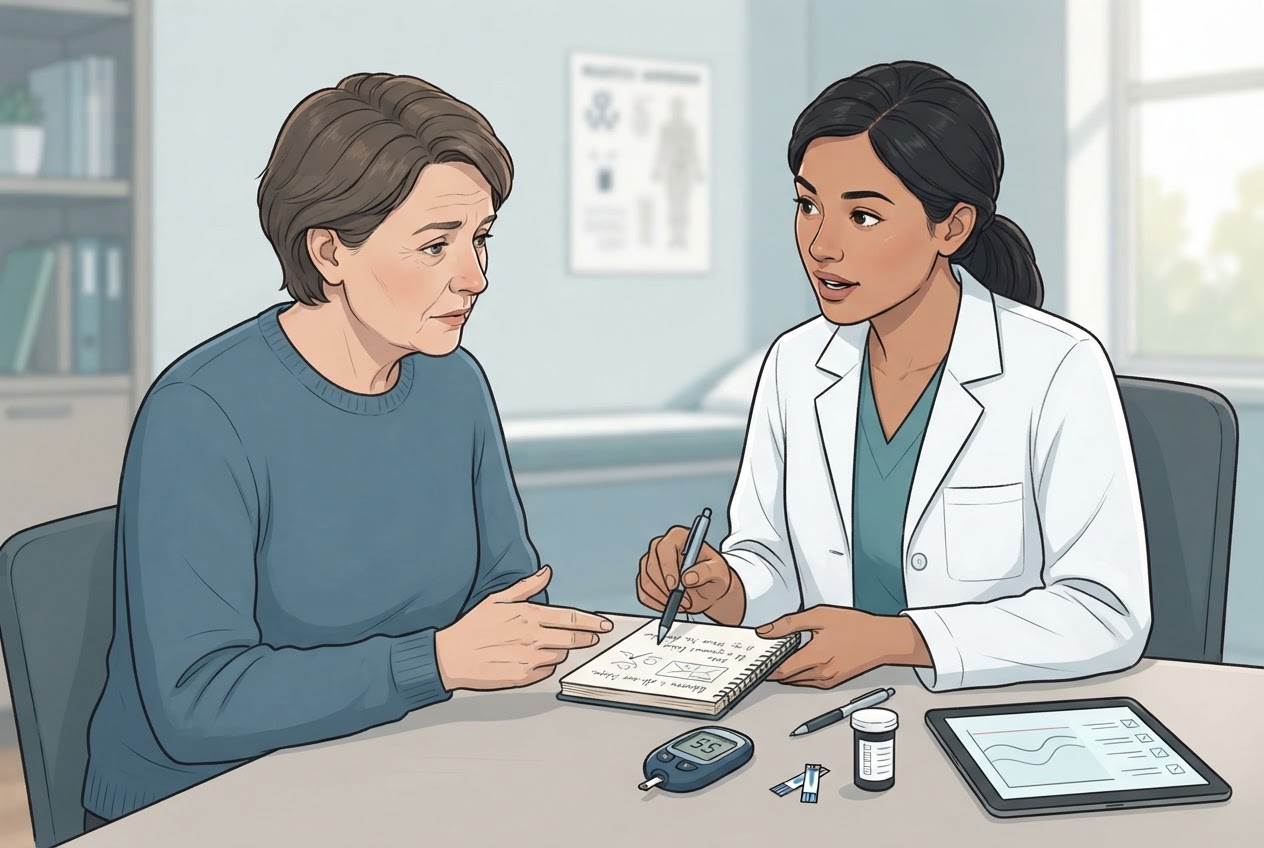
Ask which values will be discussed at the next appointment and how you can tell for yourself that your situation has changed. A fixed monitoring interval isn’t right for everyone. It depends on the type of diabetes, the treatment, and your overall health.