New diabetes research shows that treatment is increasingly guided by the biological differences between people. In type 2 diabetes, beta cell function plays a role alongside insulin resistance, meaning a reduced effect of insulin. These cells in the pancreas produce insulin. In some people, their function can partly recover, making remission possible. This means that blood sugar stays below the diabetes range without glucose-lowering medication. It does not mean a permanent cure.
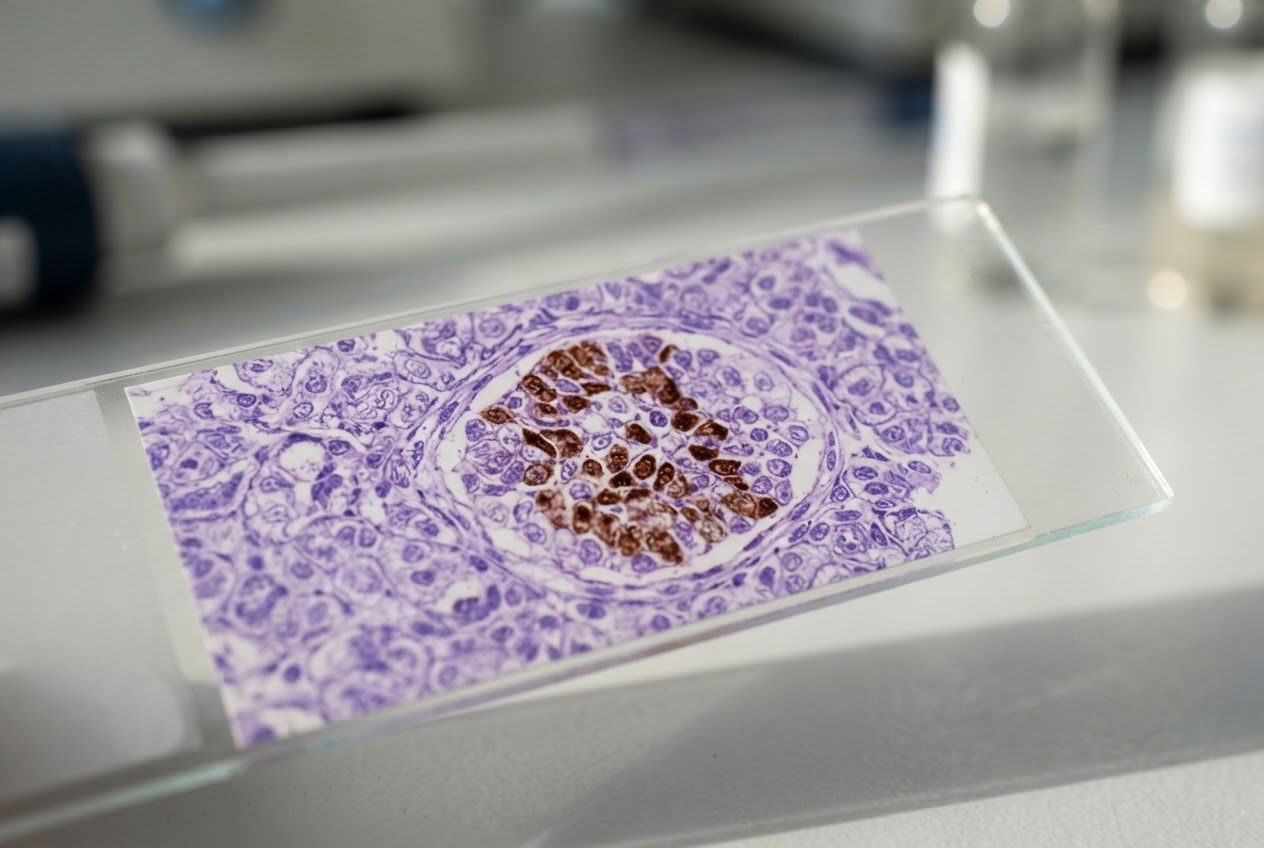
The following findings come from Diabetologia, the journal of the European Association for the Study of Diabetes. They range from studies in humans to animal experiments. These two types of studies answer different questions: a small clinical trial provides first indications about use in people. An animal experiment shows possible processes in the body, but does not prove an effect in humans.
Remission Is Hard to Maintain
A review article in Diabetologia describes how the understanding of type 2 diabetes has broadened. In addition to reduced insulin action, impaired insulin production by beta cells can raise blood sugar. In some people, beta cell function improves when the metabolic burden decreases. When in the course of the disease the beta cell dysfunction arises and which factors trigger it has not yet been conclusively established.

Substantial weight loss can make remission possible for some people with type 2 diabetes. In the structured DiRECT program, 46 percent of participants achieved remission after one year. At the five-year follow-up, the figure was 13 percent of the participants who continued to be monitored. That corresponded to 7 percent of the group originally assigned to the program. This also shows how difficult it is to maintain remission over the long term.
The 2026 ADA/EASD consensus report does not recommend a single diet for everyone. An eating pattern should be practical in everyday life and take individual preferences and cultural circumstances into account. For people with type 2 diabetes who are overweight or have obesity, intensive lifestyle treatment aiming for a weight loss of at least ten percent can be discussed as a way to achieve remission. According to the report, dietary supplements are not a proven treatment for lowering blood sugar; vitamin D is not recommended for this purpose either.
Anyone aiming for remission should plan weight loss and medication changes with their doctor. If blood sugar falls, medication needs may change. Stopping medication on your own is not a safe approach. Even after remission, regular check-ups remain advisable.
Insulin Delivery in Kidney Disease
A 2026 study examined automated insulin delivery in people with diabetes and advanced chronic kidney disease. Among 40 people analyzed, the proportion of time their blood glucose levels were within the target range rose from 60 percent with usual care to 73 percent with automated insulin delivery. The mean improvement was 13.7 percentage points. The frequency of low blood glucose levels did not differ statistically significantly between the two treatments.

The result is relevant to a group that is often underrepresented in research on diabetes devices. However, the study was small. Of 43 people randomly assigned to a study group, 40 completed at least one study phase; 38 completed the entire study. In addition, 15 people dropped out during preparation, partly because they could not complete the training or meet the requirements. It therefore remains unclear how well the result can be applied to a larger and more diverse group of patients.
People with diabetes and advanced kidney disease can discuss with their healthcare professional whether continuous glucose monitoring or automated insulin delivery suits their situation. The study does not prove a blanket advantage of any particular device for every person.
Type 1 Prevention Is Still Experimental
A study published in 2026 examined a combination of low-dose anti-CD3 and GLP1-E2 in female NOD mice. Anti-CD3 influences a particular immune response; GLP1-E2 is an experimental agent that targets beta cells. After 30 weeks, 38 percent of the mice in the combination group had developed diabetes. In the control group, it was 77 percent. On average, the disease set in later in the combination group.
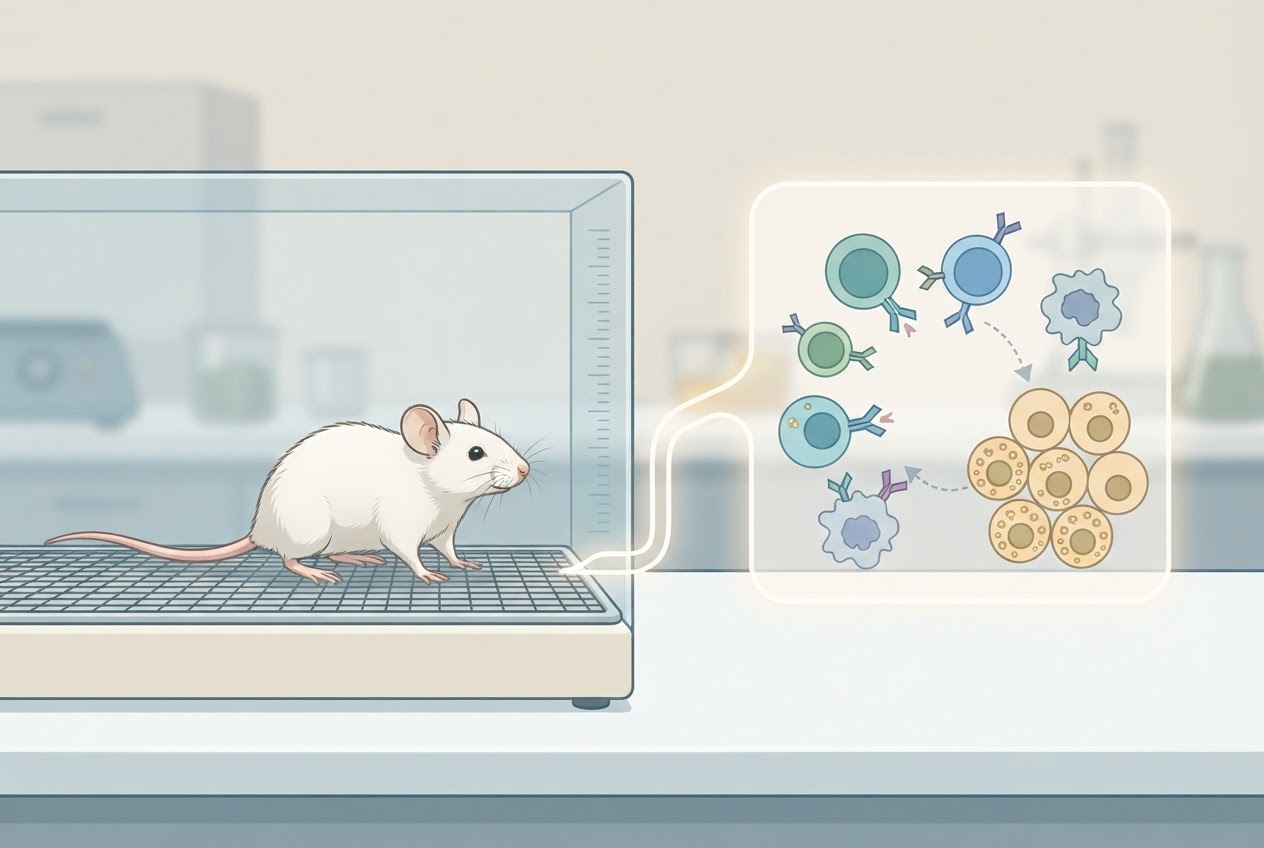
The result points to a possible direction for research: a treatment could both influence the immune response and protect beta cells. However, the study was conducted in mice. It does not show that the combination prevents diabetes in humans, and it offers no basis for treatment in humans.
Dapagliflozin and Ketones
A small study tested dapagliflozin in addition to insulin in 13 adults with type 1 diabetes. Participants received the treatment for seven days each. Ketone levels were higher while taking it than without dapagliflozin. Ketones are produced when the body breaks down more fat for energy; sharply elevated levels can be associated with ketoacidosis in diabetes.
No diabetic ketoacidosis occurred during the study. However, because of the small number of participants and the short treatment period, the study does not answer how the benefits and risks play out over the long term. It is no reason to use dapagliflozin generally in type 1 diabetes or to change insulin. Anyone who is already taking the medication should discuss questions about ketones and possible risks with their healthcare professional.
Genetics Does Not Yet Promise a Single Test
Researchers are now studying individual cells and narrowing down genetic risk signals more precisely. They are also using machine learning, in which computer methods recognize patterns in data. The aim is to link the risk signals to specific genes and biological processes. A review article in Diabetologia describes how this research could contribute in the long term to a more precise understanding of the different forms of type 2 diabetes.
For individual patients, this does not yet translate into a reliable genetic choice of treatment. New drug classes are also being tested in studies, but results from early or mid-stage trials are no promise of personal treatment success. Whether a drug is an option in everyday practice depends on whether it is approved, what side effects occur, how long the studies last, what costs arise, and whether the treatment is accessible.
Putting Findings in Perspective
Three questions help with new diabetes news: Were people or animals studied? How many people took part and how long did the study last? Was a health benefit measured, or was only a biological process examined?
The remission figures from a supervised weight program describe a specific study group. The insulin study in kidney disease provides a first indication for a particular group of patients. The prevention approach for type 1 diabetes remains an animal experiment. None of these findings automatically leads to an individual treatment decision.