A raised blood sugar level can occur after a meal. However, a single reading does not automatically show whether you have diabetes or whether your treatment needs to change. Your blood sugar level shows how much sugar, or more precisely glucose, is in your blood at a given moment. With diabetes, it stays elevated more often or for longer without suitable treatment.
In everyday life, balanced meals, regular physical activity and your prescribed treatment help most. These measures help you keep your blood sugar under control. However, they do not reliably bring a very high level down right away. Do not change your insulin or other medication on your own. If your levels are repeatedly high, discuss this with your treating practice.
Putting Together Suitable Meals
Carbohydrates from foods such as bread, potatoes, fruit or sweets affect your blood sugar. How much your blood sugar rises also depends on how much you eat and what you combine the food with. Whole grains, vegetables and legumes provide fiber and tend to raise blood sugar more slowly than highly processed, sugary products.

A simple guide for a main meal: fill about half of your plate with vegetables, a quarter with a fiber-rich source of carbohydrates such as whole grains or legumes, and a quarter with a source of protein. This division is only a guide and does not suit everyone. Portion size matters too. Choosing water instead of a sugary drink is a concrete first step.
If you inject insulin or adjust your insulin dose to the amount of carbohydrates, you should discuss any major dietary changes with your treatment team. A low-carbohydrate diet may be an option for some people with type 2 diabetes. However, it is not a requirement, and with certain medications it requires medical supervision. A very strict diet such as the ketogenic diet is not suitable as a blanket self-experiment.
Building Exercise In Safely
Your muscles take up glucose when you move. Regular activity also improves your body’s sensitivity to insulin. For many adults with diabetes, a guideline is at least 150 minutes of moderate-intensity activity per week. Muscle-strengthening exercise twice a week can be added. If you have been inactive so far, start with a manageable session, such as a short walk after a meal, and build up gradually.
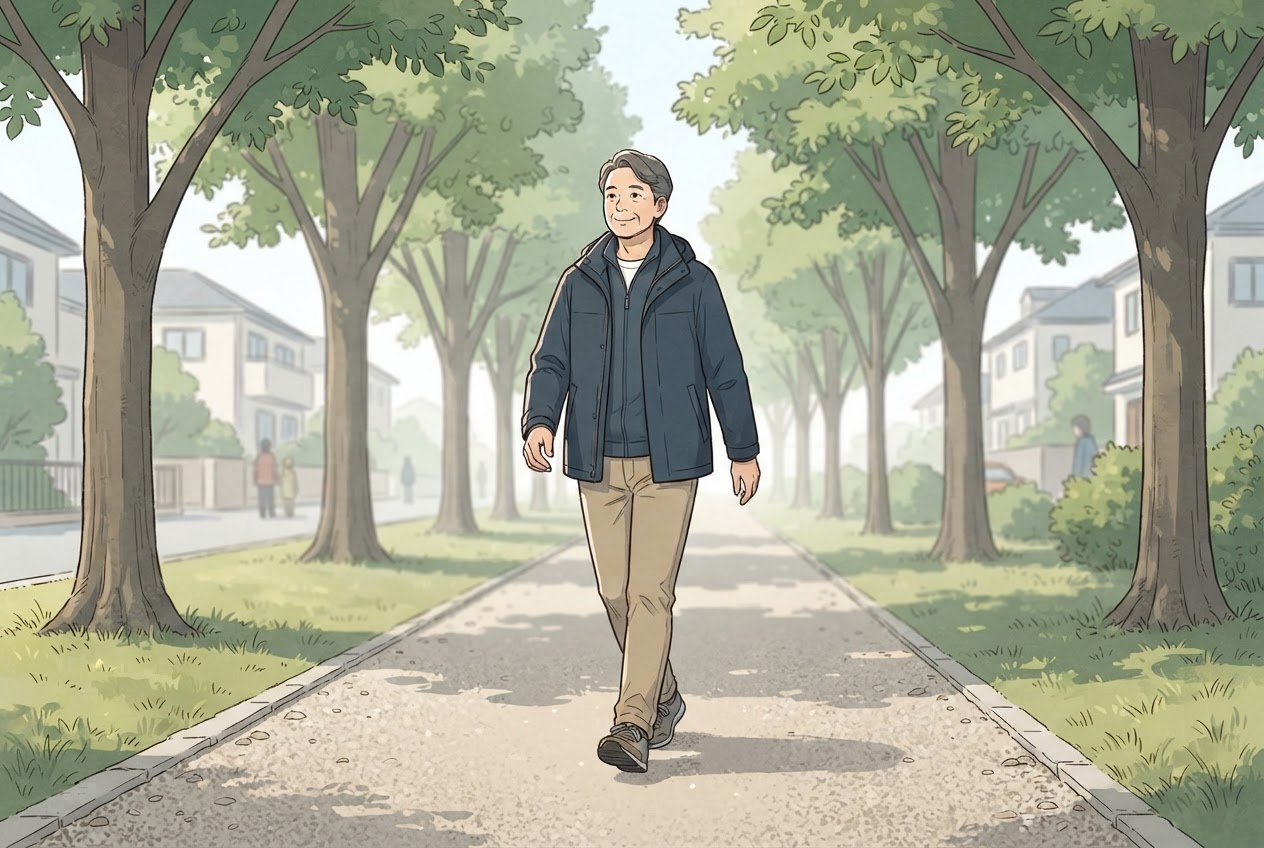
How exercise affects your blood sugar depends on the activity, the timing and your medication. In some people the effect lasts up to 24 hours or longer. Insulin and certain blood-sugar-lowering medications increase the risk of low blood sugar, even after exercise. Before starting new or significantly longer workouts, check with your practice whether you should measure more often or adjust your personal plan. Intense exertion can also temporarily raise your level.
Tracking Your Values and Patterns
You can judge a reading better if you know when you measured and what happened beforehand. For unusual readings, note the time, the meal, any exercise and the medication you took. This makes it easier to spot recurring patterns and discuss them more specifically.

How often it makes sense to measure depends, among other things, on your type of diabetes and your treatment. Stick to the monitoring plan agreed with your practice. General reference values from the internet are no substitute for personal target values: your age, other health conditions and your risk of low blood sugar influence which values are right for you.
Do Not Change Your Medication Yourself
Take your diabetes medication as prescribed. Do not skip insulin or tablets because of a single reading, and do not take extra doses on your own. If your values are repeatedly outside your personal target range, contact your treating practice. They can check whether your diet, exercise or medication should change.

Sleep, stress and alcohol can also play a role in blood sugar control. For most adults, about seven to eight hours of sleep is a guideline. Alcohol is not a way to lower blood sugar: together with insulin or certain other diabetes medications, it can promote low blood sugar, especially in combination with exercise. Dietary supplements and home remedies do not reliably lower blood sugar; they can also have side effects and interactions.
Act Quickly When There Are Warning Signs
You should discuss repeatedly high values with your treating practice promptly. Severe thirst and frequent urination can occur when blood sugar is significantly elevated. Deep or unusual breathing, fruity, acetone-like breath, drowsiness or confusion are possible signs of ketoacidosis, a dangerous metabolic crisis. If you have such severe symptoms, get medical help immediately. Follow an existing emergency plan; do not change your insulin on your own to bring a high value down quickly.
In people who take insulin or certain blood-sugar-lowering medications, exercise or skipped meals can also cause the level to drop too far. Shaking, sweating, palpitations or confusion can indicate low blood sugar. Follow your personal plan for such situations. If a person is unconscious or unresponsive, call the emergency services and do not give them anything to eat or drink.