In general, carbohydrates can remain part of a diet for people with diabetes. For blood sugar, both the amount and the quality of the food matter. Treatment plays a role too. Carbohydrates are found in bread, potatoes, fruit, legumes and sugary drinks, for example. The body breaks them down into glucose, which enters the bloodstream.
Choose high-fibre, minimally processed foods more often and pay attention to suitable portion sizes. Fibre is found in plant foods and is not fully digested by the body. Good sources include vegetables, beans, lentils, oats and whole grain products. Which diet is right also depends on the type of diabetes, your personal blood sugar levels and your medication.
Which carbohydrates should you choose more often?
Beans, lentils and peas, whole grain bread, oats, whole grain pasta, vegetables and whole fruit are good sources of carbohydrates and provide other nutrients as well. Legumes, vegetables and whole grains also contain fibre. They too affect blood sugar. How much depends on factors such as portion size and your personal response.
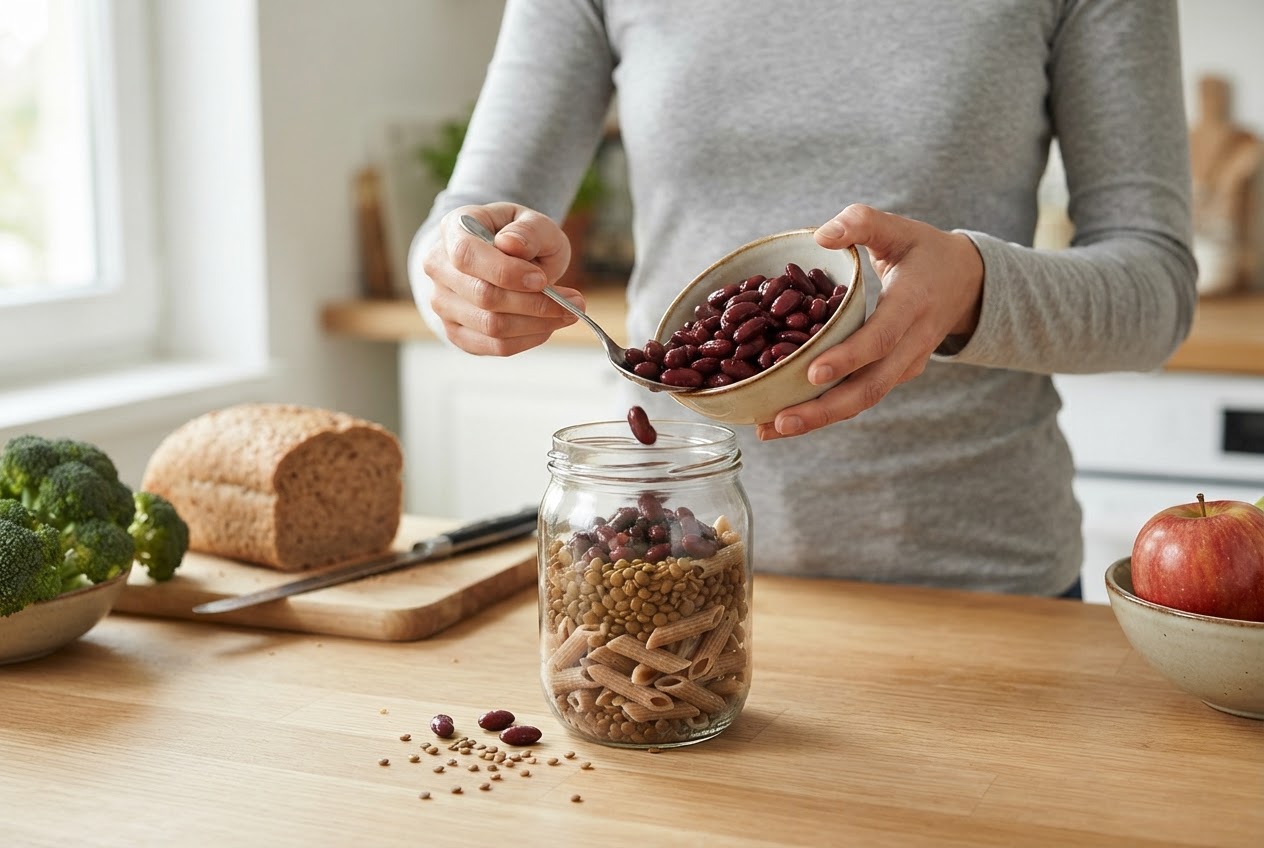
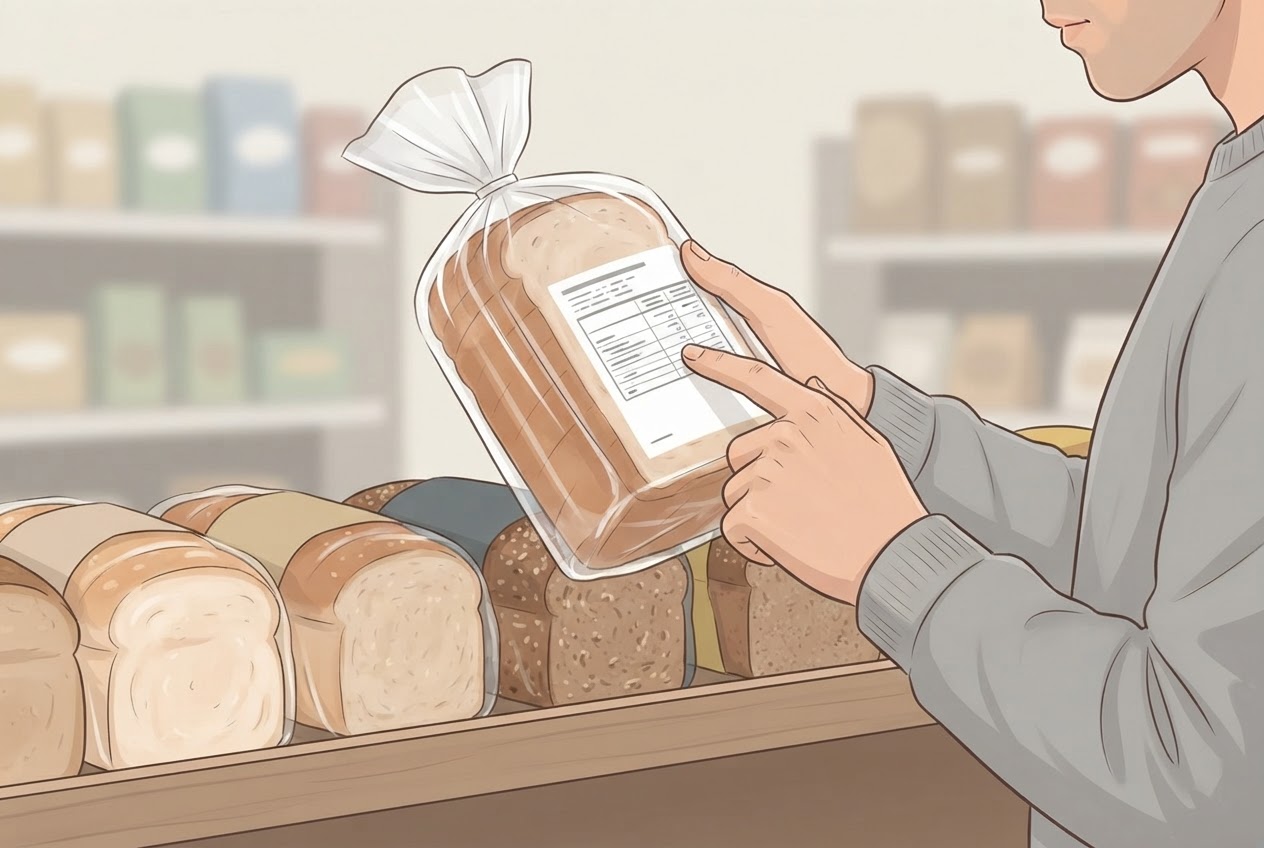
One simple swap in everyday life is to replace white bread more often with a bread that is genuinely rich in whole grains, or to replace sugary breakfast cereals with oats. The colour of a bread does not reliably tell you whether it is made from whole grain. Checking the ingredient list and the fibre content helps you choose.
People with diabetes do not generally have to avoid whole fruit. Juice, smoothies and dried fruit often contain sugar in a more concentrated form or deliver it in a shorter time. Water and unsweetened tea are better thirst quenchers than lemonade, sweetened coffee or fruit juice.
Sweets, heavily sugared products and products made from refined grains do not have to be off limits. It is usually more helpful to eat them less often and to base most of your daily diet on foods rich in nutrients.
Getting portion sizes right
The amount of carbohydrates affects blood sugar. The plate model offers simple guidance for a main meal. Roughly half of the plate consists of non-starchy vegetables. One quarter is for a protein source such as fish, egg or tofu, and the last quarter for a carbohydrate side such as whole grains or potatoes. This is a rule of thumb, not a personal meal plan.

This is how a large portion of pasta becomes a more balanced meal: slightly less pasta, plus more vegetables and a protein source. Legumes can also be part of the meal. They provide carbohydrates as well as protein and fibre; their carbohydrates count towards your total if you are on insulin therapy.
The German Diabetes Association (Deutsche Diabetes Gesellschaft) recommends that people with type 2 diabetes get their carbohydrates preferably from whole grain products, legumes and nuts. Different recommendations give different guideline values for fibre intake. That is why there is no single daily figure that is binding for everyone with diabetes. If you currently eat little fibre, you can gradually include more vegetables, legumes and whole grain products.
What the glycaemic index tells you
The glycaemic index, or GI for short, ranks carbohydrate-containing foods by how much they raise blood sugar under specific test conditions. For a single meal, however, the GI only predicts the actual blood sugar response to a limited extent. Portion size and processing also play a role. It also matters which other foods the meal is combined with.
The DDG considers the GI an imprecise stand-alone measure and places more weight on whole grains and actual fibre intake. A review in the BMJ did find improvements in blood sugar control with low-GI or low-glycaemic-load diets. However, results varied considerably between studies involving people with type 1 and type 2 diabetes. The GI can therefore serve as an additional reference point, but should not alone determine your food choices.
Weighing up low-carb on an individual basis
A low-carbohydrate diet can be an option for some people with type 2 diabetes, especially if it helps with weight loss and can be sustained over time. The American Diabetes Association reports that very low-carbohydrate diets can improve the long-term blood sugar marker HbA1c in the short term. Over longer periods, the difference compared with other diets becomes less clear. There is no set amount of carbohydrates that suits everyone.
If you eat fewer carbohydrates, pay attention to the quality of the other foods you eat. A balanced lower-carbohydrate diet still relies on whole grains, vegetables and legumes, rather than replacing them mainly with highly processed, high-fat products.
A major change in diet should be agreed with your doctor or a diabetes advisor. This applies especially if you take mealtime insulin: when the amount of carbohydrates changes, the insulin treatment must be adjusted accordingly. A low-carbohydrate or ketogenic diet is also not suitable for people with diabetes who take SGLT2 inhibitors and are at risk of ketoacidosis. Medication or insulin doses should not be changed on your own.
Taking blood sugar patterns into account
People respond differently to foods and meals. If you measure your blood sugar or use a continuous glucose monitor, you can observe how a specific portion affects you. Repeatedly abnormal readings after certain meals are a reason to discuss portion size and composition with your diabetes team.

If you are on insulin treatment, training helps you estimate the amount of carbohydrates in a meal. This amount is an important basis for treatment. A general nutrition guide is no substitute for personal dosing instructions.
Exercise after eating can also have a favourable effect on blood sugar after a meal. A brisk walk is a possible addition, but it replaces neither a suitable diet nor prescribed medication.