If you have intense thirst, need to urinate frequently or feel unusually exhausted, you should have your blood sugar levels checked by a doctor. Such symptoms can point to diabetes mellitus, but they do not prove it. Type 2 diabetes and gestational diabetes in particular often go for a long time without obvious symptoms.
In diabetes mellitus, too much sugar stays in the blood over the long term. There are several forms, whose causes and treatments differ: in type 1, insulin is lacking; in type 2, it initially works less effectively; and gestational diabetes develops due to changes during pregnancy. A blood test confirms the diagnosis; treatment depends on the type of diabetes and the person’s overall health.
Which symptoms occur
Intense thirst and frequent urination are among the typical symptoms of high blood sugar. Other possible signs include tiredness, weakness, nausea or dizziness. The symptoms can be clearly noticeable in type 1 diabetes that begins rapidly. Type 2, by contrast, often develops gradually and can go unnoticed for years. Gestational diabetes, too, usually causes no noticeable symptoms.
The absence of symptoms therefore does not rule out diabetes. If you notice unusual thirst, frequent urination or persistent exhaustion, a medical examination is advisable. Impaired consciousness with very high blood sugar levels is an emergency: call the emergency services immediately.
How the types of diabetes differ
In type 1 diabetes, the immune system attacks the insulin-producing cells of the pancreas. Insulin is a hormone that moves sugar from the blood into the body’s cells. If these cells are destroyed, a pronounced insulin deficiency results. A genetic predisposition can increase the risk. Whether infections or other environmental factors trigger type 1 has not been clearly established. Type 1 is not caused by an unhealthy lifestyle.
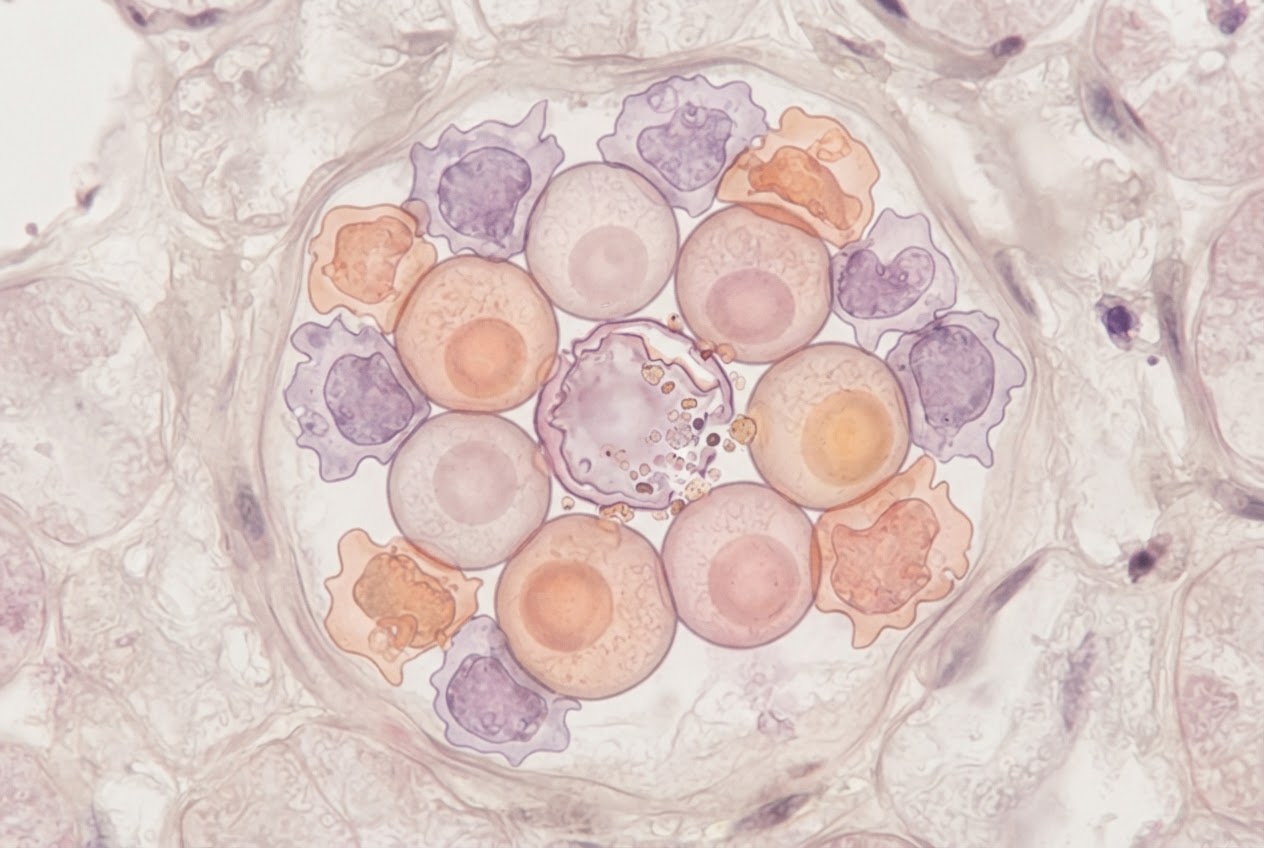
In type 2 diabetes, the body’s cells respond less and less well to insulin. The pancreas initially produces more of it, but over time it cannot always meet the demand. Being overweight and getting little exercise increase the risk. Smoking and a low-fiber diet high in fat or sugar also raise the risk. Genetic predisposition and certain medications play a role as well. Even with a risk factor, not everyone will necessarily develop the disease.

Gestational diabetes occurs when pregnancy-related changes impair the effect of insulin. Being overweight and being older increase the risk. The same applies to a previous case of gestational diabetes or diabetes in close relatives. The test usually takes place between the 24th and 27th week of pregnancy. Gestational diabetes often resolves after birth but increases the later risk of type 2 diabetes.
How doctors diagnose diabetes
The diagnosis is based on quality-assured laboratory values from venous blood. According to the National Disease Management Guideline (NVL), a blood glucose meter for home use is normally not suitable for diagnosing diabetes.

For type 2 diabetes, the NVL lists these diagnostic thresholds: a fasting blood glucose of at least 126 mg/dl (7.0 mmol/l), a long-term blood glucose value (HbA1c) of at least 6.5 percent (48 mmol/mol), or a blood glucose value measured regardless of meals of at least 200 mg/dl (11.1 mmol/l). The HbA1c value shows the average blood sugar level over the past two to three months. Certain health conditions can limit its reliability.
In principle, two abnormal laboratory values should confirm the diagnosis. If a result is borderline, the doctor may repeat a measurement or order a further test. A single value from self-monitoring does not replace this clarification.
Which treatment helps with type 1
People with type 1 diabetes need insulin because the body no longer produces enough of its own. Treatment adjusts the amount of insulin to daily life, diet and physical activity. Insulin pens or insulin pumps can be used for this. Continuous glucose monitoring devices measure the sugar level continuously and can support treatment.
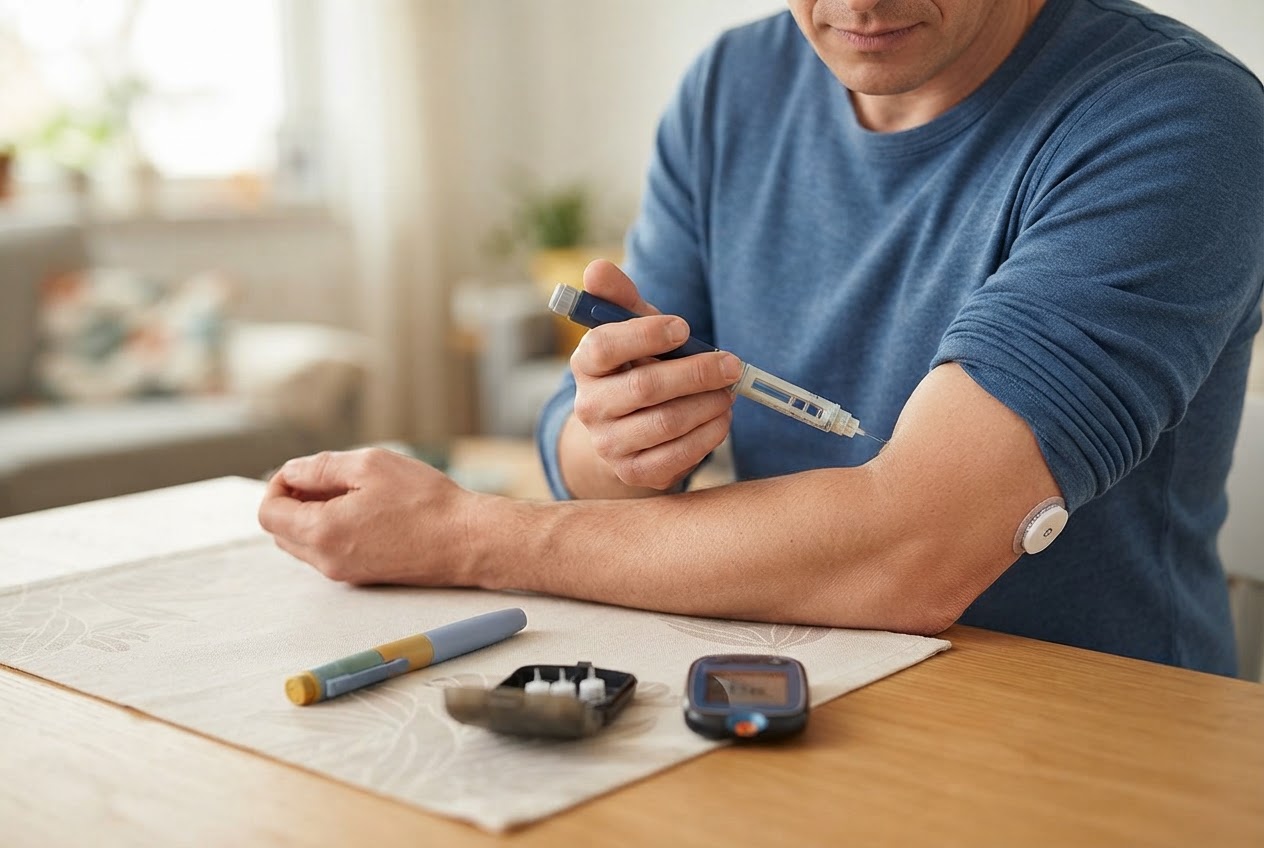
The treatment team decides on the specific insulin therapy together with the person affected. Those who have just been diagnosed should promptly receive care from a practice specializing in diabetes, along with training in the safe use of insulin.
How type 2 is treated
In type 2 diabetes, a suitable diet and regular exercise are part of the treatment. Which changes make sense depends on the person’s circumstances. If that alone is not enough or medication is indicated, the doctor takes into account the person’s accompanying conditions and risks as well as possible side effects. The goals of the person affected are also taken into account.
For people without a high cardiovascular risk, the NVL initially recommends metformin as a single medication. In the case of a medically significant cardiovascular disease, the doctor can additionally offer an SGLT2 inhibitor or a GLP-1 receptor agonist. These are two groups of medications that affect blood sugar in different ways. For people with several risk factors, the benefit of immediate combination therapy has not been clearly established in every situation. Depending on how the disease progresses, insulin may also become necessary.
Version 3 of the NVL on type 2 diabetes was published in May 2023 and, according to the guideline portal, is valid until May 2028. Choosing a medication remains an individual medical decision. People with diabetes should neither start nor stop medication on their own.
What happens with gestational diabetes
In gestational diabetes, nutritional counseling and changes to eating habits are often enough; more exercise can complement the treatment. If blood sugar levels remain elevated, insulin may be necessary. Regular checks during pregnancy help adjust the treatment to the measured values.
After birth, further blood sugar checks are important. Even if the values often return to normal, an increased risk of later type 2 diabetes remains. The treating practice can explain when a follow-up check is needed.
Why follow-up checks matter
Persistently high blood sugar levels can damage large and small blood vessels. Possible consequences include heart attack, stroke and circulatory problems; damage to the eyes, nerves and kidneys, as well as poorly healing wounds on the feet, are also among them. High blood pressure can further increase the risk in type 2. These consequences do not necessarily occur in everyone affected.
Regular medical check-ups help keep blood sugar and other health risks in view. In type 2, this also includes blood pressure and possible secondary conditions. If you notice a new or worsening symptom, you should bring it up at your next appointment instead of looking only at the HbA1c value.
The Robert Koch Institute reported for 2024 that 10.3 percent of adults in Germany stated they had a medically diagnosed diabetes. The figure is based on self-reports and excludes gestational diabetes. It does not reliably capture previously undetected cases.