If you have diabetes or care for a relative who does, you know the situation: the meter shows a number, and you immediately wonder whether there is now any danger. The answer is that a single blood sugar number is not enough to tell. Whether a value is dangerous depends on how the person is feeling, whether symptoms are appearing and getting worse, whether they are responsive, and whether they can still act for themselves.
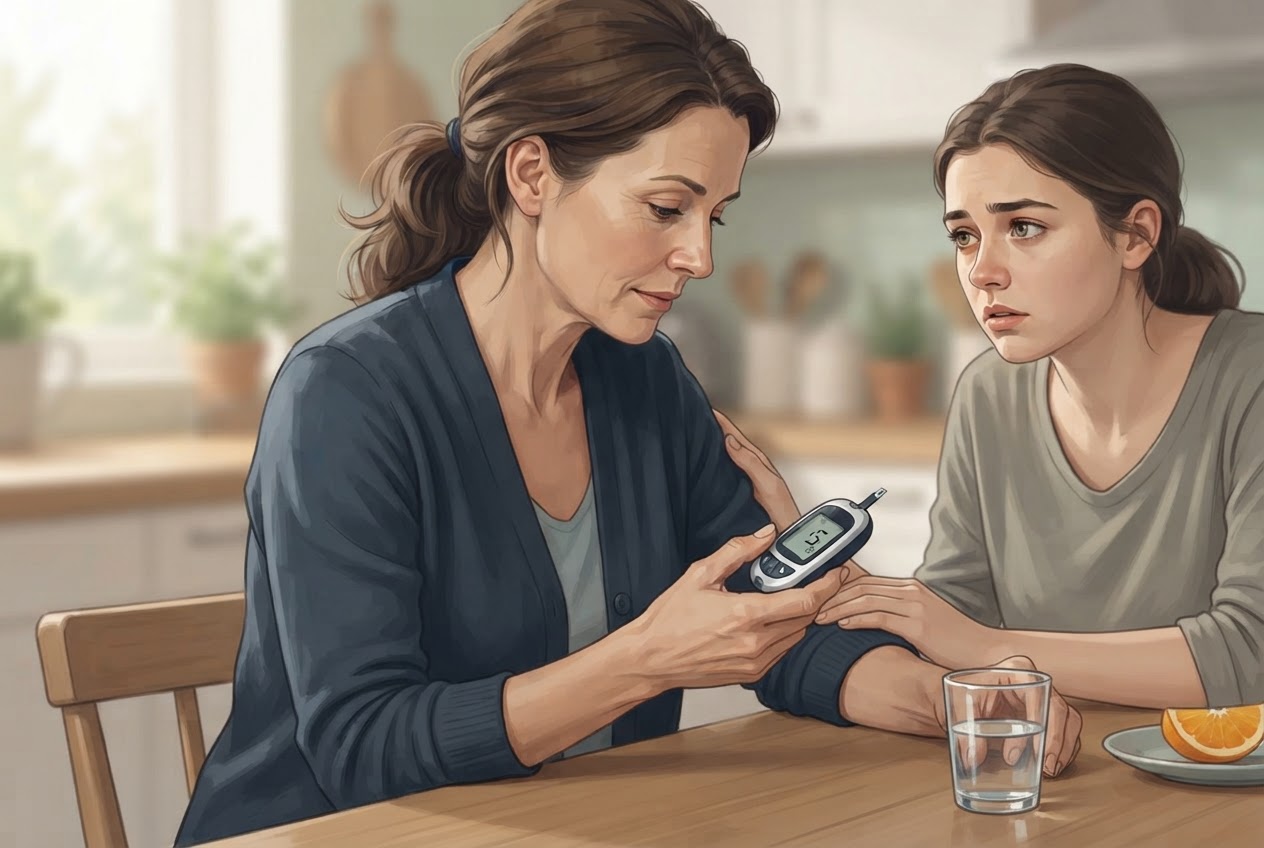
Blood sugar levels are important warning signals, but they are not a universal emergency threshold. A low value can cause clear symptoms in one person and hardly any in another. A high value does not automatically mean ketoacidosis, a dangerous acidification of the blood. Conversely, ketoacidosis can also develop at values below 200 mg/dl. That is why it matters to put readings into context, take symptoms seriously, and get medical help immediately when certain warning signs appear.
Why a Single Number Is Not Enough
Medical societies do define numerical ranges to classify low and high blood sugar. However, these values are only a guide, not a verdict on acute danger. The American Diabetes Association (ADA) divides hypoglycemia into numerical ranges. But it defines severe hypoglycemia by the person’s condition: it is present when someone is so impaired, physically or mentally, that another person has to help. The measured glucose value plays no decisive role here.
The same applies to high values. A high blood sugar does not prove ketoacidosis. For that diagnosis, ketone bodies, which are metabolic products formed when there is a lack of insulin, and an acidification of the blood also count. Neither can be read from a single home measurement. The 2024 international consensus report on hyperglycemic crises in adults gives as a criterion for ketoacidosis a blood sugar of at least 200 mg/dl or a known diabetes diagnosis, in each case together with ketosis, meaning elevated ketone bodies, and acidosis, meaning acidification of the blood. According to the report, about ten percent of ketoacidosis cases occur at values below 200 mg/dl, for example in people who take SGLT2 inhibitors (diabetes medications), eat little, are pregnant, or have consumed alcohol.
What matters, then, are the trend and the circumstances. An acute infection, a missed or ineffective insulin dose, problems with the insulin pump, vomiting, and dehydration can change the situation quickly. If you wear a continuous glucose monitoring (CGM) system, you should also check with a fingerstick when levels fluctuate rapidly, because CGM readings can lag behind.
Low Blood Sugar: Values and Warning Signs
The ADA distinguishes two numerical ranges for low blood sugar. Values below 70 mg/dl (3.9 mmol/l) are considered the warning range for hypoglycemia and an important threshold for action. Values below 54 mg/dl (3.0 mmol/l) are clinically significantly low and require prompt action. However, these numbers do not mean that everyone below these limits has the same symptoms, or that an ambulance must automatically be called at a certain value.
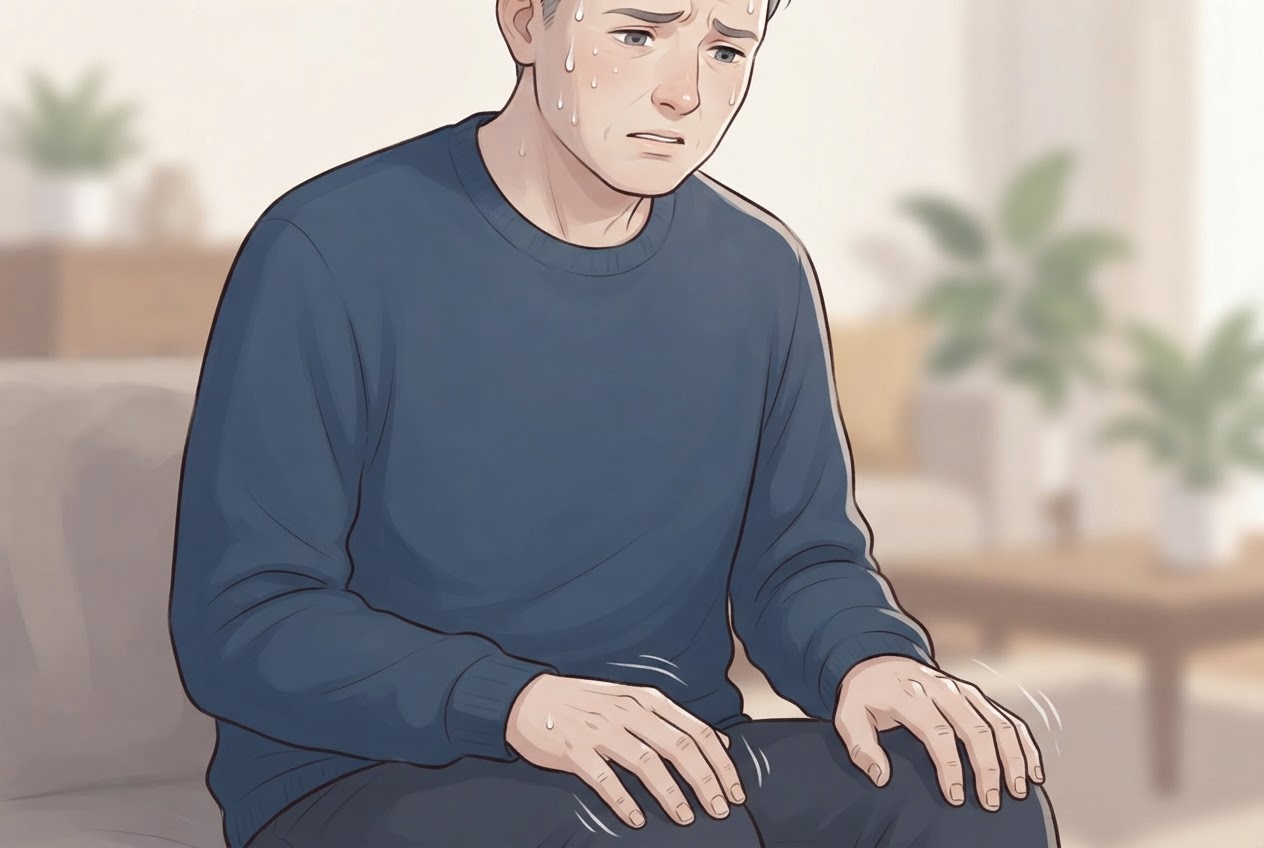
The warning signs of low blood sugar are varied: trembling, sweating, intense hunger, palpitations, pallor, restlessness, confusion, disorientation, and speech or vision problems. Seizures and loss of consciousness are severe warning signs. Symptoms appear at different stages depending on the person and may also be absent. Some people no longer notice the onset of low blood sugar because their perception is impaired. If you notice such signs in yourself or others, do not wait for a particular number but act, for example with fast-acting carbohydrates, provided the person can swallow safely.
High Blood Sugar: When It Becomes Critical
The German diabetes information site diabinfo names values above 250 mg/dl (13.9 mmol/l) as a warning sign of possible ketoacidosis, especially when symptoms are also present. Even with high values, the number alone does not decide: it is a warning sign, but not proof of ketoacidosis and not a limit up to which waiting is safe.
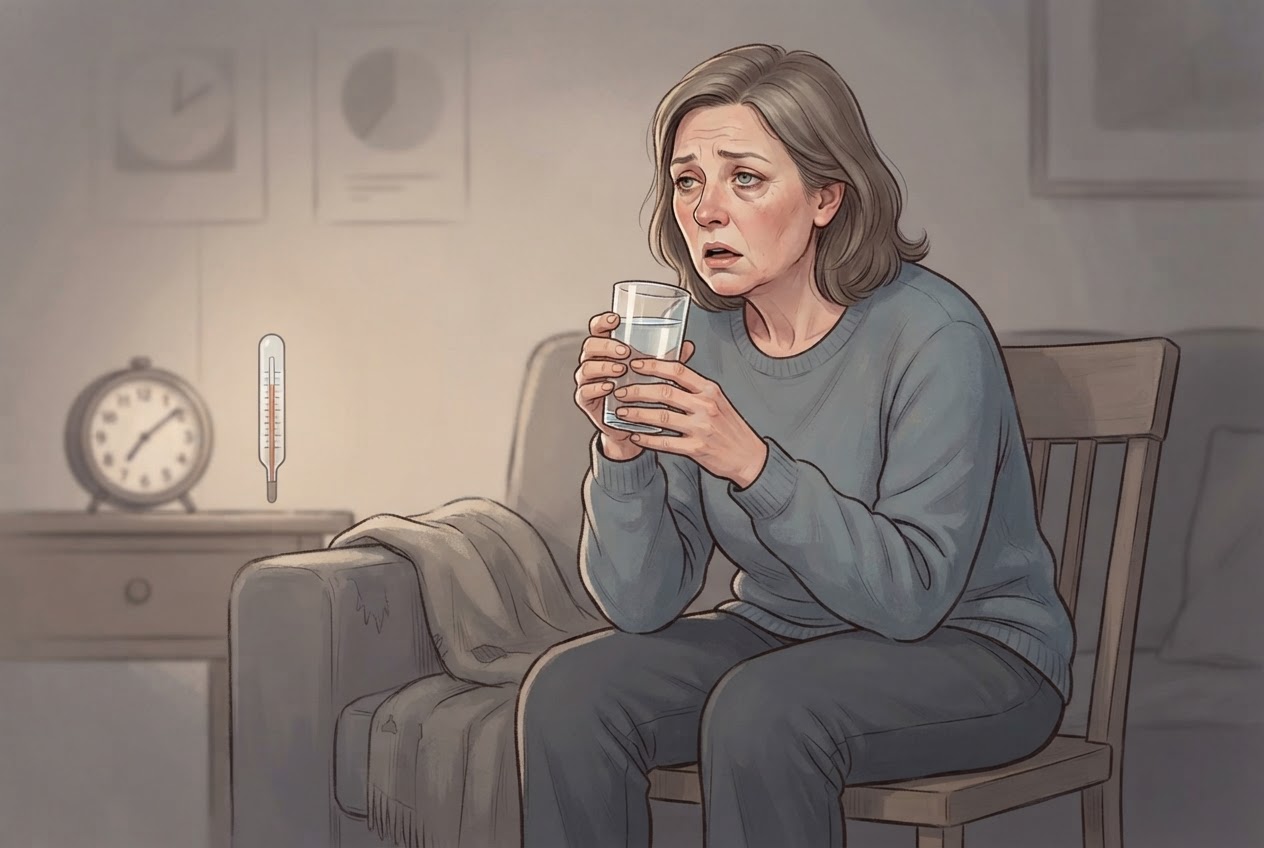
Possible signs of severely high blood sugar are pronounced thirst, frequent urination, a dry mouth, fatigue, and vision problems. Ketoacidosis is particularly suspected when there is nausea or vomiting, abdominal pain, deep breathing, sweet-smelling breath, and changes in consciousness. In hyperglycemic hyperosmolar state (HHS), another severe metabolic emergency, weakness, dizziness, vision problems, cramps, and later disturbances of consciousness are added to severe thirst and frequent urination. Older people with type 2 diabetes are particularly at risk.
If you have an insulin correction scale, use it only according to the instructions agreed with your treatment team. Correcting again too soon after a meal can promote low blood sugar. If the cause of unconsciousness is unclear, experts advise against giving insulin or glucagon on suspicion.
Get Help Immediately: These Signs Matter
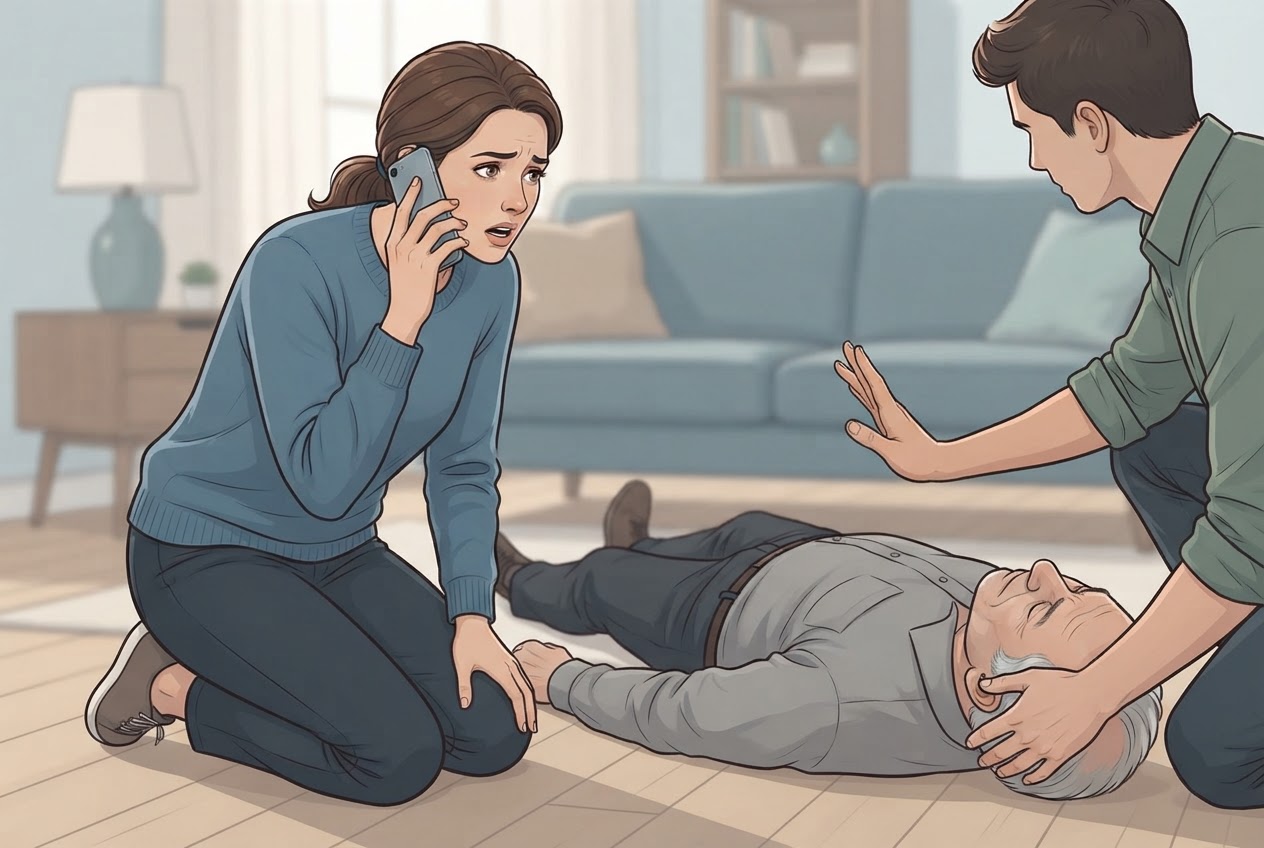
With certain warning signs, immediate medical help is needed, without waiting for further measurements or observation. Call the emergency number 112 if the person is unconscious, having a seizure, clearly confused, unresponsive, or no longer able to help themselves. Do not put anything in the mouth of an unconscious person, as there is a risk of choking. Tell the emergency dispatcher about the diabetes if it is known.
Medical help is also needed immediately if ketoacidosis is suspected, especially with deep breathing, sweet-smelling breath, repeated vomiting, abdominal pain, or increasing drowsiness. With severe symptoms such as vomiting, abdominal pain, or drowsiness, medical help should be sought without delay. In case of impaired consciousness or a severe acute condition, calling the emergency number is the right course. If HHS is suspected, with severe weakness, dizziness, cramps, or changes in consciousness, calling 112 is likewise the right course.
If someone cannot reliably treat themselves, their condition is getting worse, or their symptoms persist despite the personally agreed emergency plan, they should not rely on a number alone or on further self-monitoring. They should seek medical help. The personal emergency plan that the treatment team discusses with the person concerned is the best basis in such situations.