With diabetes, the body can no longer regulate blood sugar properly. In type 1 diabetes, the pancreas produces no insulin; in type 2 diabetes, the insulin that is present no longer works well enough.
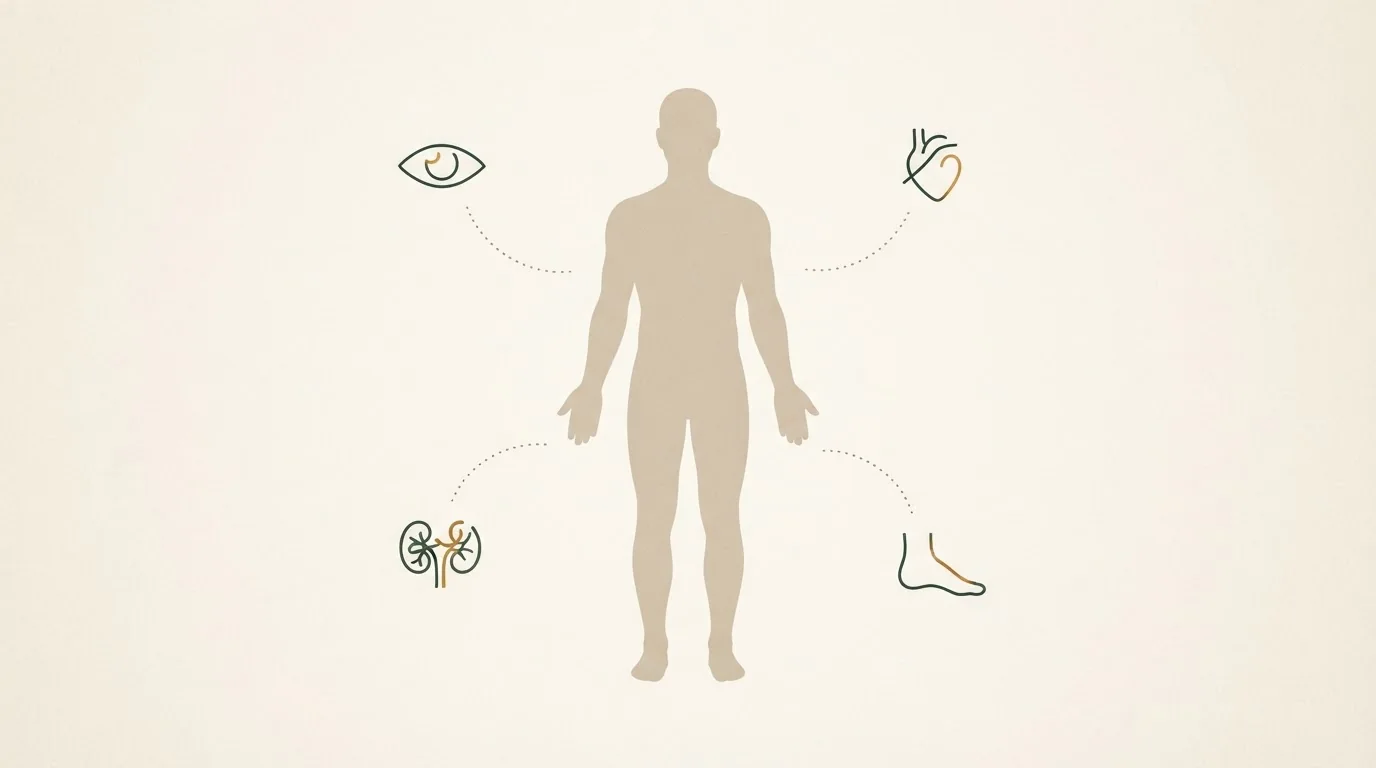
Without treatment, blood sugar stays too high permanently. Over time, it damages blood vessels and nerves in almost every organ. In the short term, life-threatening emergencies are a risk; in the long term, kidney failure, blindness, amputations, heart attack and stroke. The earlier treatment begins, the more of this damage can be prevented.
When blood sugar spirals out of control
The most immediate danger of untreated diabetes is ketoacidosis, especially in type 1 diabetes. When insulin is completely absent, the body’s cells can no longer take up glucose. The liver instead begins converting fatty acids into ketone bodies, which serve as a substitute fuel. These ketone bodies make the blood too acidic. Within hours to days, a life-threatening condition develops. Typical signs are severe thirst, frequent urination, nausea, vomiting, abdominal pain, deep and rapid breathing, and clouding of consciousness up to coma. Without immediate insulin and fluids, ketoacidosis is fatal.
Ketoacidosis occurs less often in type 2 diabetes because the pancreas still produces residual amounts of insulin. Instead, a hyperosmolar hyperglycemic state can develop. Blood sugar rises extremely high, often above 600 mg/dl, and draws large amounts of water out of the body’s tissues. Those affected become increasingly dehydrated and drowsy until they fall into a coma. This condition, too, is a medical emergency that requires intensive care.
Long-term damage to the small blood vessels
Persistently elevated blood sugar attacks the fine capillaries that supply the kidneys, eyes and nerves. This damage to the small vessels begins gradually and can go unnoticed for years.
In the kidneys, the filter wall of the glomeruli, the tiny filtering units, thickens. At first, protein passes into the urine; later, filtering capacity declines. Without treatment, diabetic nephropathy develops and progresses to end-stage kidney disease. Dialysis or a kidney transplant is then necessary. In Germany, diabetic nephropathy is the most common cause of kidney failure in adults.
In the retina of the eye, high blood sugar damages the small vessels. They become leaky, microaneurysms form, and in advanced stages new, fragile vessels grow that bleed easily. Left untreated, this diabetic retinopathy leads to blindness. In industrialized countries, it is one of the most common causes of acquired blindness in people of working age.
Nerve damage and diabetic foot
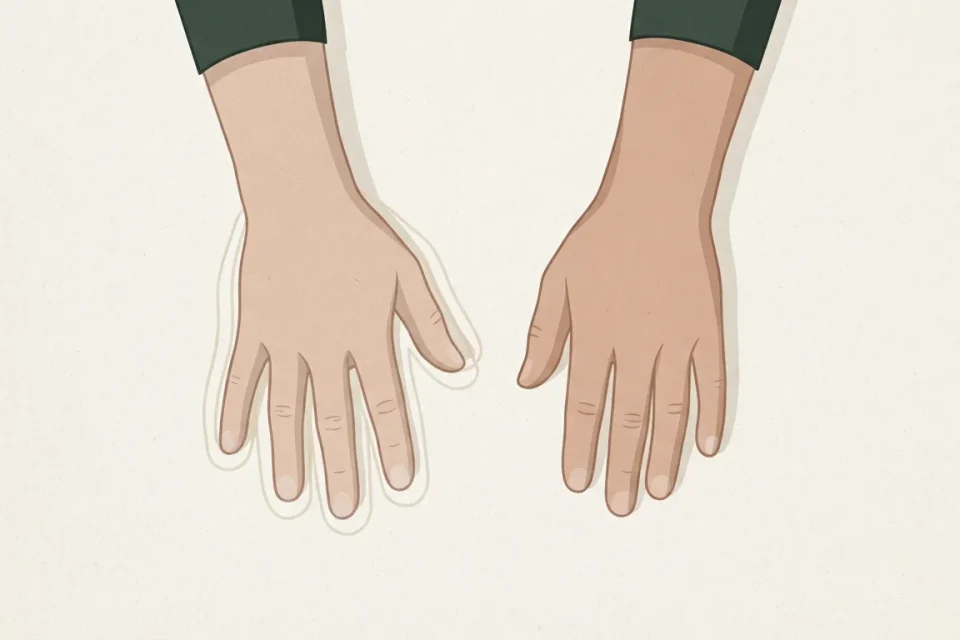
Nerve cells also depend on an intact blood supply. In diabetes, nerve fibers die off, first in the feet and hands. This polyneuropathy shows up as tingling, numbness, burning or stabbing pain. Crucially, those affected no longer feel pressure points and injuries on their feet. A small stone in a shoe or an insole that is too tight causes a wound that goes unnoticed and becomes infected. Because circulation in the legs is also impaired, these wounds heal poorly. Left untreated, such a diabetic foot ulcer develops into a deep infection reaching the bone, which often requires amputation. In Germany, tens of thousands of lower-limb amputations are performed every year because of diabetic foot syndrome.
Damage to the large arteries
Diabetes also accelerates arteriosclerosis in the large vessels. The vessel walls accumulate more fats and inflammatory cells. Plaques form that narrow the vessel or break loose and block a vessel. The consequences are heart attack, stroke and peripheral arterial disease, meaning circulatory problems in the legs. People with diabetes have a two- to fourfold higher risk of cardiovascular disease compared with people without diabetes. This damage to the large vessels is the most common cause of death in type 2 diabetes.
Early treatment changes the course
Most of this damage is not predetermined. Large long-term studies such as the Diabetes Control and Complications Trial (DCCT) in type 1 diabetes and the United Kingdom Prospective Diabetes Study (UKPDS) in type 2 diabetes have shown that consistently lowering blood sugar significantly reduces the risk of small-vessel damage. In the UKPDS, intensive blood sugar control reduced the risk of retinal and kidney damage by about a quarter. The effect persisted for years after the study ended, a phenomenon known as metabolic memory.
Timing is crucial. If blood sugar levels are brought into the target range early and kept there, the vessels remain largely intact. Those who start treatment only once kidney damage or nerve loss already exists can slow its progression but no longer reverse it. Early kidney damage can often be stabilized for years through good blood sugar control and blood pressure reduction.
The way back into treatment
Anyone who has so far ignored a diabetes diagnosis should not wait for symptoms to appear. A family doctor can check blood sugar, the long-term HbA1c value, kidney function and the eyes. Depending on the type of diabetes, treatment consists of insulin, blood-sugar-lowering medication, an adapted diet and regular exercise. In type 2 diabetes, losing five to ten percent of body weight often leads to a marked improvement in blood sugar levels, and sometimes even to remission of the disease.
Even people who already have complications benefit from treatment. Good blood sugar control slows the progression of kidney damage, reduces the risk of heart attack and stroke, and improves quality of life. Regular foot checks by a doctor and daily examination at home prevent small wounds from leading to amputations. Diabetes is a chronic condition. With treatment, however, it does not necessarily have to lead to severe complications.