Both forms of diabetes raise the amount of sugar in the blood, known as blood sugar. In type 1, the immune system destroys the insulin-producing cells of the pancreas; in type 2, the body’s cells respond less and less well to insulin, which helps sugar move from the blood into the cells.
This difference determines treatment. People with type 1 must take insulin. In type 2, treatment may include changes to diet and exercise, medication and sometimes insulin as well. Age and body weight point to typical patterns, but they are not enough to determine the type of diabetes with certainty.
The Differences at a Glance
| Feature | Type 1 diabetes | Type 2 diabetes |
|---|---|---|
| Cause | An autoimmune reaction damages the insulin-producing beta cells. This leads to a pronounced insulin deficiency. | The body’s cells respond less well to insulin. At first, the pancreas often produces more insulin, but production may decline later. |
| Onset | Symptoms often develop quickly. Type 1 often occurs in children and younger adults, but it can begin at any age. | The condition often develops gradually and initially goes unnoticed. It often affects adults, but younger people as well. |
| Risk factors | The condition is not caused by an unhealthy lifestyle. Genetic factors and possible environmental factors play a role; the specific triggers are not fully understood. | Genetic predisposition, lack of exercise, diet, obesity and smoking can influence the risk. |
| Treatment | Insulin is required. This includes monitoring blood sugar and adjusting the insulin dose to daily life and health. | Treatment may include exercise and dietary changes, blood sugar-lowering medication and, if needed, insulin. |
| Acute metabolic crisis | Especially at the onset of the disease, there is an increased risk of diabetic ketoacidosis, a dangerous acidification of the blood. | A severe metabolic crisis can occur as hyperosmolar hyperglycemic syndrome. Ketoacidosis is also possible, but less common. |
Type 2 accounts for more than 90 percent of diabetes cases. According to the Robert Koch Institute, 10.3 percent of adults in Germany reported physician-diagnosed diabetes for 2024. This figure covers all forms of diabetes and is based on self-reported diagnoses; undiagnosed cases are not included.
Why the Treatments Differ
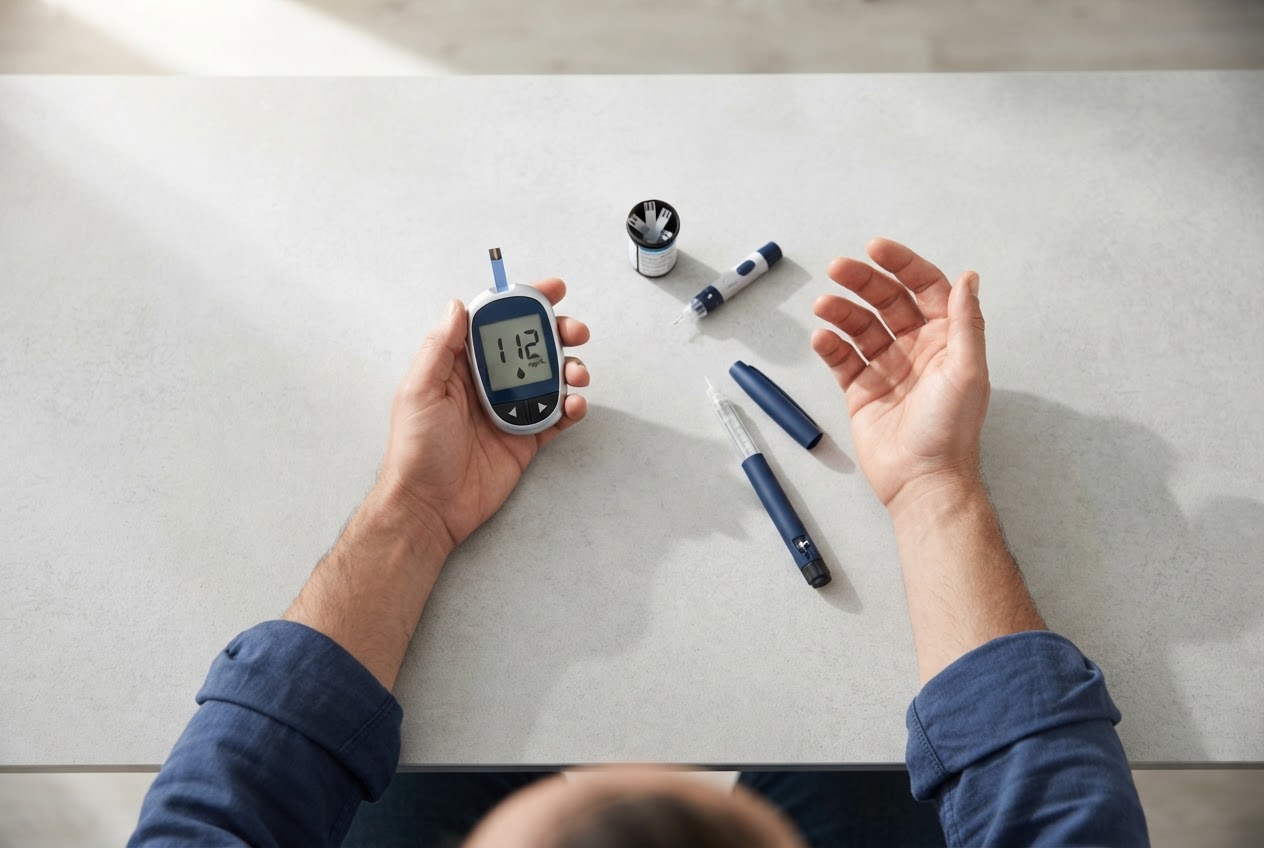
In type 1, the body produces no or very little insulin of its own. Treatment has to make up for this deficiency. Insulin is delivered with a pen, a syringe or a pump. The amount needed depends on what someone eats and how much they exercise. Time of day and illness also play a role. People with type 1 therefore have to check their blood sugar regularly and adapt their daily routine accordingly.
In type 2, treatment depends on overall health, other conditions and personal goals. Exercise and an adapted diet can improve blood sugar. Some people additionally need medication, and others need insulin later on. Insulin in type 2 does not mean the original diagnosis was wrong: in this form, too, the body’s own insulin production can decline over time.
People with either form of diabetes need regular check-ups. Blood sugar levels that stay elevated over the long term can damage blood vessels and contribute to problems with the heart, kidneys, eyes, nerves and feet. In type 2, treatment therefore also takes other cardiovascular risk factors into account.
Age and Weight Are Not Enough
Type 1 often begins early, while type 2 is more common in adulthood. These patterns help with an initial assessment, but they do not allow the type of diabetes to be determined with certainty. Adults can develop type 1, and type 2 also occurs in younger people.
Body weight does not determine the type either. Overweight increases the risk of type 2, but slim people can have type 2 and people with type 1 can be overweight. The National Care Guideline on type 2 therefore warns against deducing the type of diabetes from body shape alone.
An unhealthy lifestyle does not cause type 1. In type 2, lifestyle and genetic predisposition influence the risk; however, the condition cannot be traced back to a single personal decision. Exercise and diet can lower the risk or delay a diagnosis, but they do not rule out the disease with certainty.
Symptoms and Diagnosis
Severe thirst, frequent urination and fatigue occur in both forms. In type 1, symptoms can appear quickly. Type 2, by contrast, often goes unnoticed at first. Symptoms alone therefore do not show which type it is.

The HbA1c value is a blood test result that reflects average blood sugar over the past few months; together with other blood sugar values, it helps diagnose diabetes. Determining the type may require further tests. These include diabetes autoantibodies, which indicate an immune reaction against insulin-producing cells, and C-peptide. This measurement gives clues about how much insulin the body produces itself.
One form that is hard to classify at first is slowly progressing autoimmune diabetes in adults, often called LADA. It can initially look like type 2. The medical classification then depends on test results and the course of the disease.
Remission in Type 2
In some people with type 2 diabetes, blood sugar levels improve to the point of remission. According to an international expert consensus, remission is usually present when the HbA1c value stays below 6.5 percent for at least three months without any blood sugar-lowering medication. It is not considered a cure: how long it lasts and what it means for the long-term risk of complications has not been conclusively established. Medical check-ups remain advisable.
When Quick Help Is Needed
Vomiting, abdominal pain, deep or rapid breathing and drowsiness can indicate a severe acute metabolic crisis, especially in new or known type 1 diabetes. With such symptoms, medical help is needed immediately; in a severe condition, emergency services should be called. Newly occurring severe thirst and frequent urination should also be medically evaluated promptly.