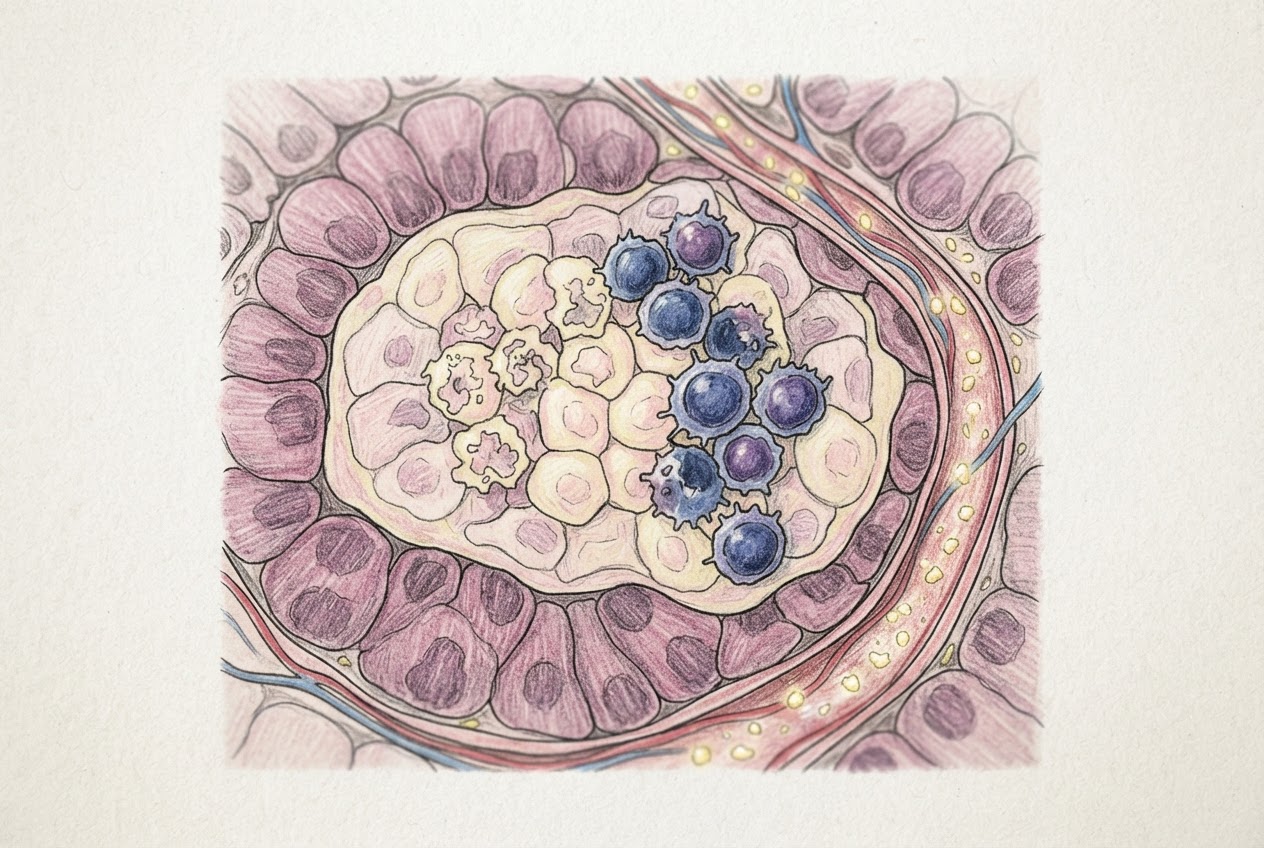
In both forms of diabetes, blood sugar is elevated, but the causes differ. In type 1, the immune system attacks and destroys the insulin-producing cells of the pancreas. In type 2, the body’s cells initially respond less to insulin. This hormone moves sugar from the blood into the cells. Over time, the pancreas may produce less insulin.
The key difference for treatment is this: people with type 1 diabetes must take insulin permanently. In type 2, treatment depends on the individual’s metabolism and blood sugar. It includes lifestyle changes and, depending on need, medication or insulin. Age, weight and symptoms alone do not reliably show which type someone has.
The Differences at a Glance
| Feature | Type 1 diabetes | Type 2 diabetes |
|---|---|---|
| Cause | The immune system attacks insulin-producing beta cells. | The body’s cells respond less well to insulin; later, insulin production may decline. |
| Age at onset | Often childhood or adolescence, but possible at any age. | Often adulthood, but also possible in children and adolescents. |
| Onset of symptoms | Symptoms often develop quickly. | The condition often develops gradually and goes unnoticed at first. |
| Treatment | Insulin is required permanently. | Lifestyle measures, blood sugar-lowering medication and, if needed, insulin. |
| Prevention | A particular diet or lack of exercise is not considered a cause. | Several factors influence the risk, including genetic predisposition and modifiable lifestyle habits. |
These are typical patterns, not rules for individuals. Even a slim adult can have type 2, and type 1 can begin only in adulthood.

What Happens in Type 1
In type 1 diabetes, the immune system attacks the beta cells of the pancreas. These cells produce insulin. If they are largely destroyed, the body lacks a great deal of insulin. Why the immune system attacks the beta cells is not yet fully understood.
Type 1 does not develop because someone eats too much sugar or does too little exercise. Insulin has to be replaced permanently. A slow onset in adulthood does not rule out an autoimmune form: LADA is a form in which insulin deficiency develops more slowly in adults.
How Type 2 Develops and Is Treated
In type 2 diabetes, the body’s cells initially become less sensitive to insulin. This reduced sensitivity is called insulin resistance. At first, the pancreas often compensates by producing more insulin. Later, the amount of insulin is often no longer enough to regulate blood sugar.
The risk is linked to several factors, including genetic predisposition, age and lifestyle habits. Type 2 therefore cannot be traced back to a single trigger or to personal blame. Lifestyle changes can improve blood sugar levels. Depending on the situation, medication or insulin may also be an option. Needing insulin therefore does not automatically mean type 1 diabetes.
Symptoms and Diagnosis
In both forms of diabetes, intense thirst and frequent urination occur. Fatigue also occurs in both. In type 1, symptoms often develop within a short time. Type 2 often causes no obvious symptoms at first. With pronounced insulin deficiency, weight loss can occur.

Blood tests help diagnose diabetes. These include fasting blood sugar. The HbA1c value is a measure of longer-term blood sugar. A glucose tolerance test measures how blood sugar responds to a sugar solution. On their own, however, these tests do not always determine the type. If the classification is unclear, the doctor can order further tests, such as for diabetes-related autoantibodies. If you have symptoms or abnormal blood values, the diagnosis should be clarified by a doctor rather than inferred from age, weight or symptoms.
Take Acute Warning Signs Seriously
In diabetic ketoacidosis, the metabolism becomes dangerously unbalanced. It occurs especially in type 1. It can show up as abdominal pain, vomiting, unusually deep breathing, fruity-smelling breath or clouding of consciousness. With such signs, medical help is needed immediately. If consciousness is impaired, emergency services should be called.

Type 2 diabetes can also cause acute metabolic crises. In the long term, both forms of diabetes can damage the heart, kidneys and eyes. That is why type 2 should be taken seriously even when it begins slowly or initially causes few symptoms.