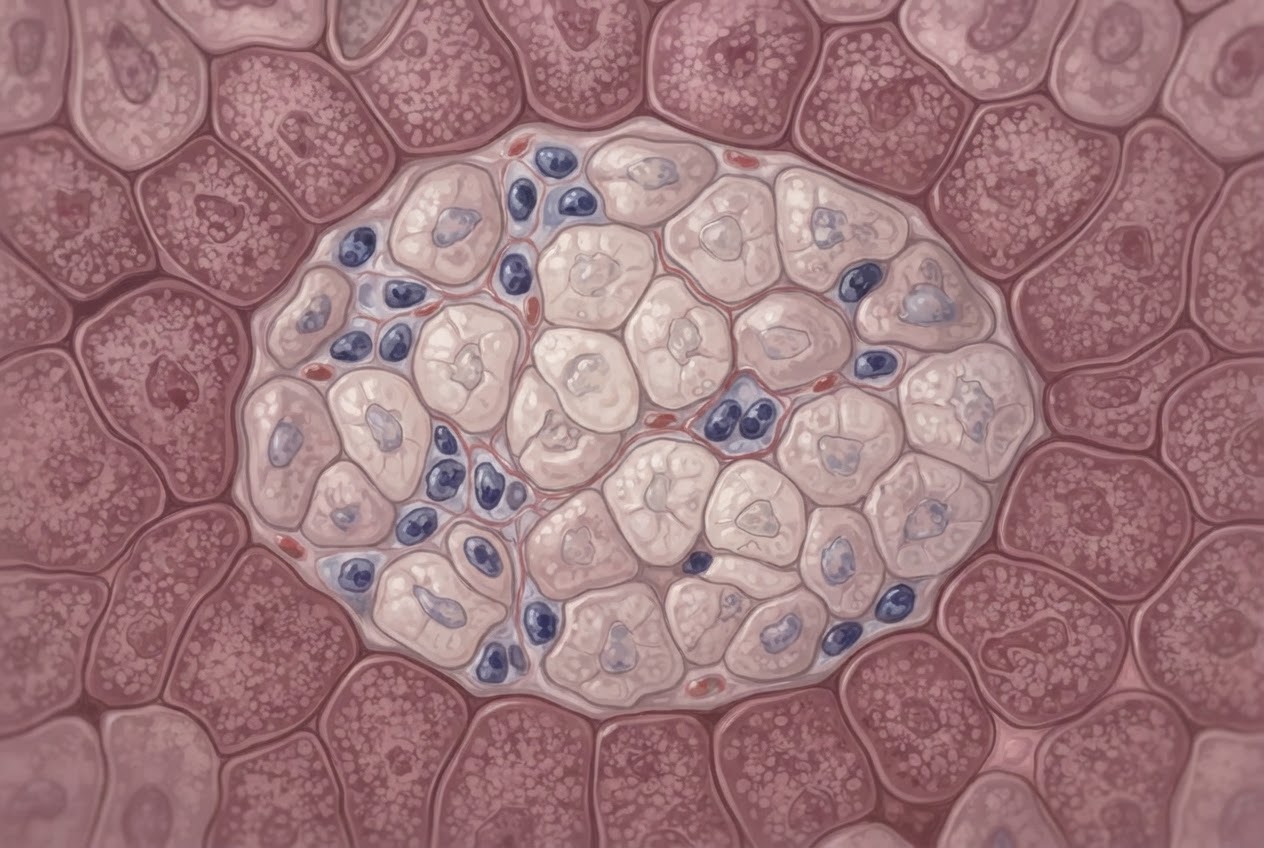
Type 1 and type 2 diabetes both raise blood sugar, but they arise for different reasons. In type 1, the immune system mistakenly attacks and destroys the insulin-producing cells of the pancreas. In type 2, the body’s cells gradually respond less well to insulin. Age, body weight and treatment alone do not show which type someone has.
Insulin is a hormone that moves glucose, or sugar, from the blood into the body’s cells. If insulin is missing or does not work well enough, blood sugar rises. The right treatment depends on the type of diabetes and the individual course of the condition.
Type 1 and Type 2 Compared
| Feature | Type 1 diabetes | Type 2 diabetes |
|---|---|---|
| Cause | The immune system attacks the insulin-producing beta cells of the pancreas. | The body’s cells respond less well to insulin. At first, the pancreas often produces more insulin; later, the amount is often no longer enough. |
| Insulin | Eventually the body produces very little insulin or none at all. Insulin must be supplied permanently. | The effect of insulin weakens. Depending on how the condition develops, changes in daily life, medication and, if necessary, insulin can help. |
| Typical onset | Often in childhood or adolescence, but possible at any age. | Often in adulthood, but children and adolescents can also be affected. |
| Typical course | Symptoms can appear within days or weeks. | The condition often develops over years and initially goes unnoticed. |
| Development | An autoimmune disease. Type 1 is not caused by diet or lack of exercise. | Hereditary predisposition and various influencing factors work together. The condition cannot be traced back to a single personal decision. |
Type 1 is less common than type 2. However, how common a type is says nothing about how severely an individual person is affected.
Age and Body Weight Do Not Determine the Type
Type 1 does not affect only children and adolescents. Adults can develop it too. Type 2 occurs more often in adults but also occurs in younger people. Body weight and lifestyle also cannot reliably show which type someone has.

Doctors assess symptoms, blood values and other findings together. Elevated blood sugar points to diabetes but does not by itself determine the type. If the classification is unclear, tests for certain autoantibodies can help. These are antibodies that target the body’s own cells. However, a negative test does not rule out type 1 in every case.
In adults, a form of diabetes in which the immune system attacks the insulin-producing cells can progress slowly and initially look like type 2. Insulin treatment also does not prove that someone has type 1: insulin is needed permanently in type 1, but it can also become part of treatment in type 2 over time.
Have Symptoms Checked by a Doctor Early
In type 1, intense thirst, frequent urination, tiredness and unintended weight loss can appear within a short time. Nausea or dizziness may follow. Type 2 often develops more slowly. Thirst and frequent urination can occur here too, but some people do not notice any clear symptoms at first.
If you notice such symptoms, contact a doctor promptly. The diagnosis is based on blood sugar levels and other medical findings. Which form of diabetes is present must be assessed separately.
Type 1 Requires Insulin Permanently
In type 1, insulin replaces the hormone that the body no longer produces in sufficient amounts. People with type 1 inject it, for example with an insulin pen, or receive it through a pump. A sensor measures the glucose level in the tissue and shows how it changes over time. Some systems connect the sensor and pump and adjust insulin delivery automatically. Which technology is suitable depends on the medical situation and the needs of the person affected.
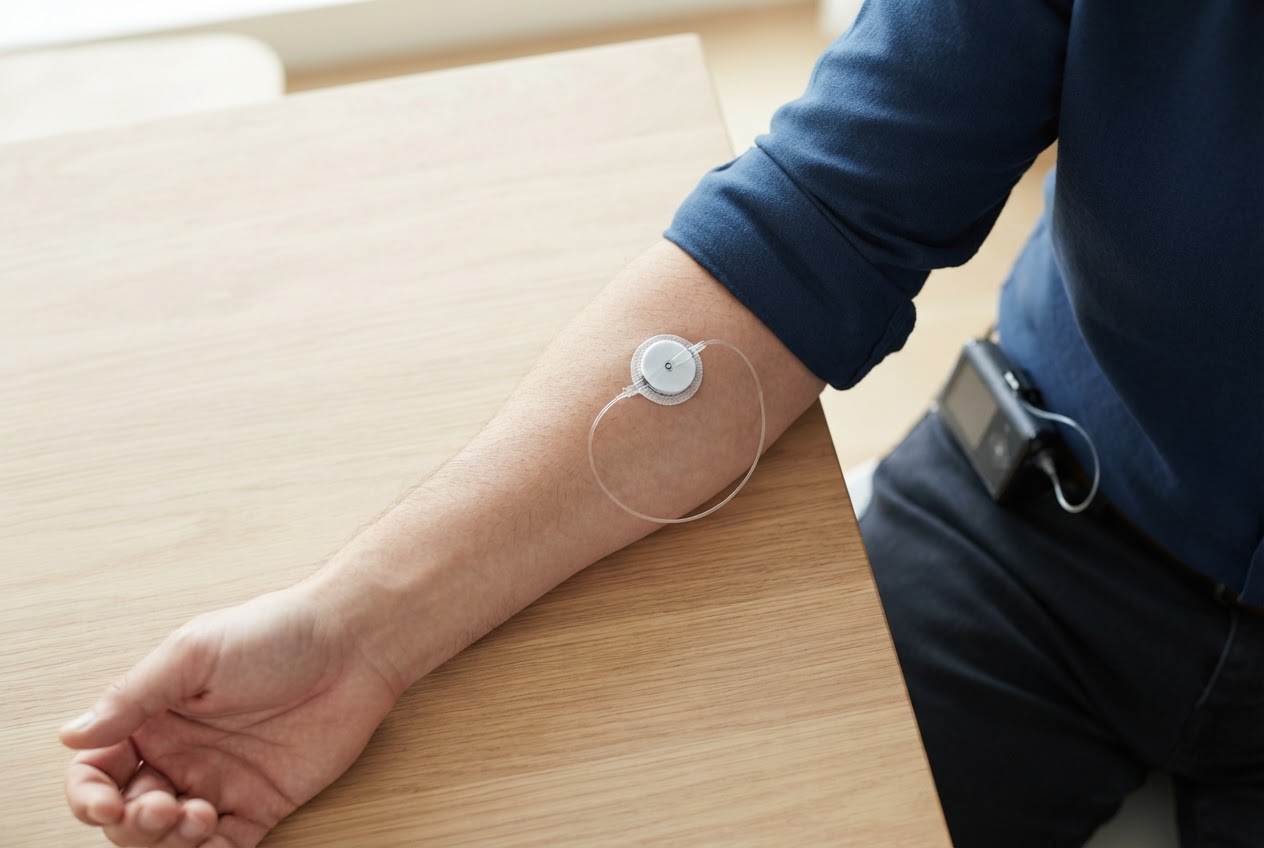
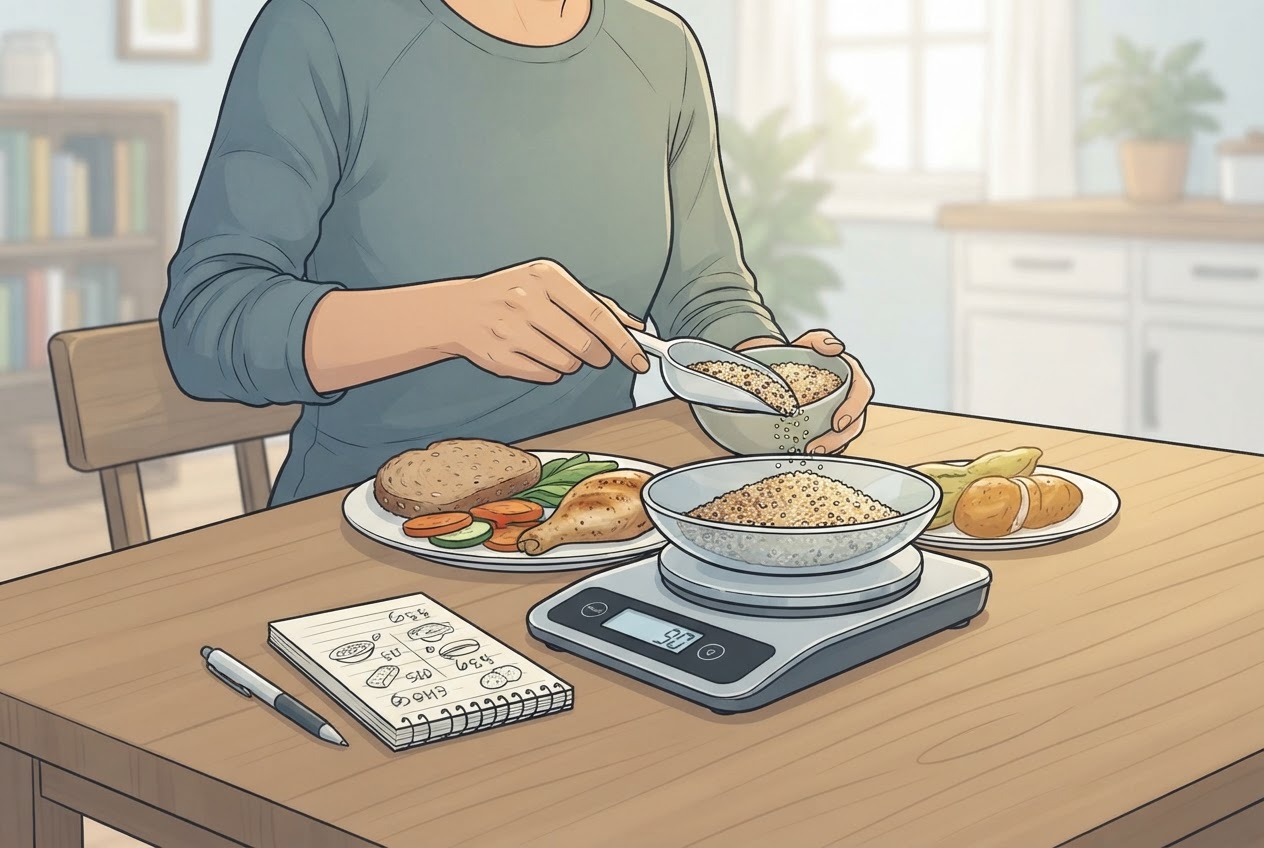
Treatment includes training. In the training, people learn to interpret glucose values. They also learn how to use insulin and how to recognize low or high blood sugar. With intensified insulin therapy, in which people give insulin several times a day, they also need to take the carbohydrates in their meals into account. There is no special diet that applies to everyone with type 1.
Physical activity changes blood sugar. Low blood sugar can also occur hours after exercise. Talk to your diabetes care team about how to include exercise and special situations such as travel in your personal treatment plan. General rules for insulin dosing are not suitable for everyone.
Type 2 Is Treated Individually
In type 2, changes in daily life are often part of treatment. These include a suitable diet and regular exercise. Which medications are also useful depends, among other things, on personal health risks and treatment goals. Over time, insulin may also become necessary.
Insulin treatment in type 2 diabetes says nothing about personal failure or a lack of effort. It may become necessary when the body no longer provides enough insulin. Improved blood sugar levels through changes in daily life also do not automatically mean that the diabetes has been cured.
Recognizing hypoglycemia and acute metabolic emergencies
Hypoglycemia (low blood sugar) can occur when insulin has a stronger effect than is appropriate for the food eaten and the energy used. Trembling, sweating, intense hunger, palpitations, or difficulty concentrating are possible warning signs. Follow your personal emergency plan. If a person is unconscious, do not give them anything to eat or drink, and call emergency services.
Diabetic ketoacidosis is an acute emergency that can occur mainly with severe insulin deficiency. Warning signs include nausea and vomiting, as well as abdominal pain. Deep or noticeably rapid breathing, drowsiness, and breath that smells sweetly of acetone are also signs. If you have these symptoms, get medical help immediately. If a person has impaired consciousness or is unconscious, call emergency services.