In both forms of diabetes, too much sugar stays in the blood. In type 1, the immune system destroys the insulin-producing cells of the pancreas. In type 2, the body’s cells respond less and less well to insulin, and later insulin production can decline as well. Insulin is a hormone that moves sugar from the blood into the body’s cells.

These differences determine treatment. Insulin is necessary in type 1 but can also become necessary in type 2. Age, body weight and insulin therapy alone therefore do not reliably show which type someone has.
The causes differ
In type 1 diabetes, the immune system usually attacks the beta cells in the pancreas. These cells produce insulin. When they are damaged, a pronounced insulin deficiency develops. The exact causes of type 1 are not fully understood.
In type 2, the body responds less well to insulin. This reduced response is called insulin resistance. At first, the pancreas often compensates by producing more insulin. Over time, in some people the amount of insulin is no longer enough. Genetic predisposition, age and other influences play a role alongside factors that can be changed.
| Feature | Type 1 diabetes | Type 2 diabetes |
|---|---|---|
| Main cause | Autoimmune reaction damages insulin-producing cells | Body cells respond less well to insulin |
| Insulin production | Greatly reduced or insufficient | Often present at first, later frequently no longer sufficient |
| Onset | Often at a younger age, but possible at any age | Often develops gradually; younger people can be affected too |
| Treatment | Insulin is required | Diet, exercise, medication and, depending on the course, insulin |
| Prevention | No reliable prevention is known | Risk can be lowered through modifiable factors |
Symptoms are not a reliable indicator
Severe thirst, frequent urination and tiredness can occur in both forms of diabetes. Type 2 often goes unnoticed at first because the condition develops over years. Type 1 can become noticeable more quickly, but symptoms alone cannot reliably reveal the type of diabetes.
Persistent thirst, frequent urination or unexplained tiredness should be checked by a doctor. If you feel very unwell, or have vomiting, abdominal pain, deep or rapid breathing or impaired consciousness, you need medical help immediately. Untreated type 1 diabetes can quickly lead to a life-threatening metabolic disorder.
Blood tests confirm the diagnosis
Doctors diagnose diabetes using blood values. These include fasting blood sugar and the HbA1c value, which indicates average blood sugar over the past weeks. Depending on the findings, further tests may follow.
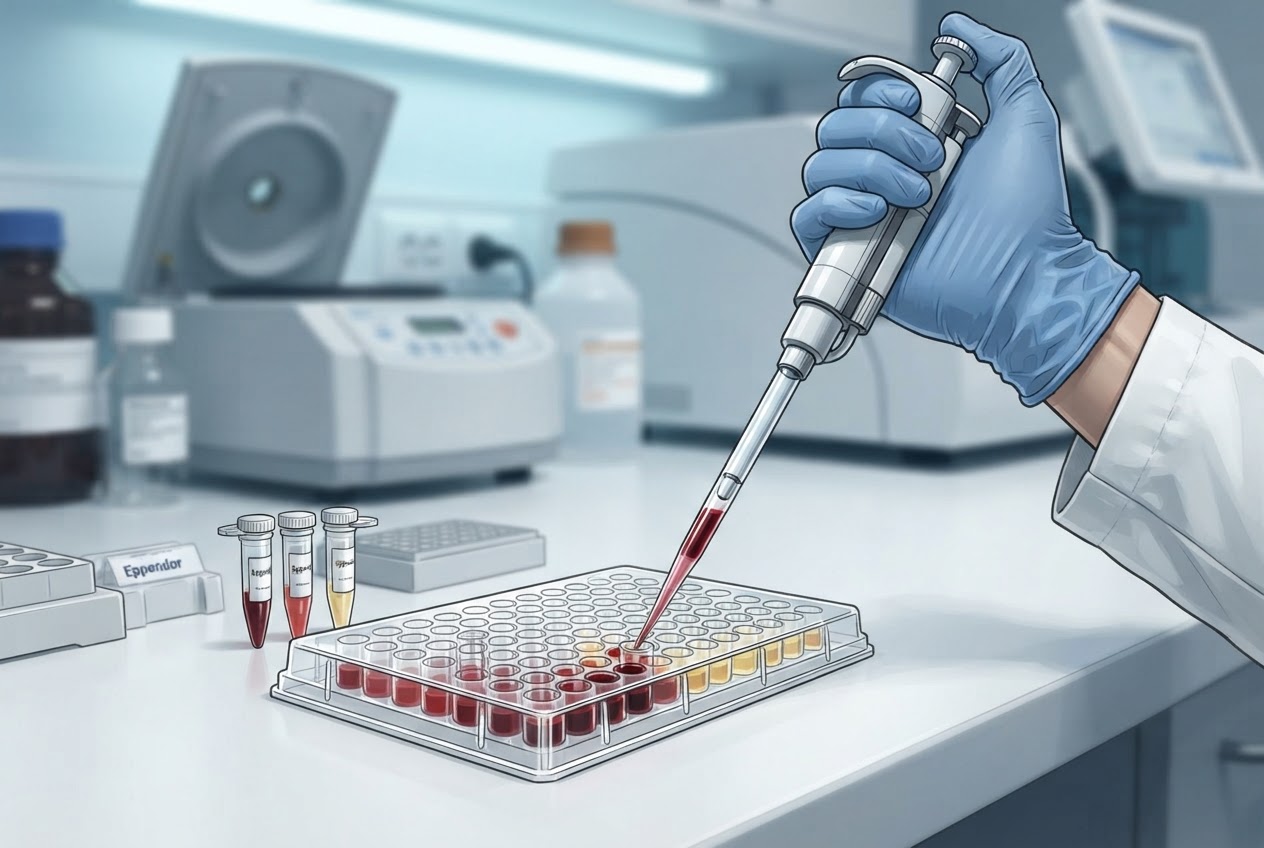
These tests first show whether diabetes is present, but they do not always clearly distinguish between the types. If the classification remains unclear, further laboratory tests can help. These include tests for certain antibodies, which point to an autoimmune reaction. Measuring C-peptide also gives an indication of how much insulin the body produces itself. Symptoms or individual readings taken at home are no substitute for a medical diagnosis.
Treatment depends on the type
In type 1, insulin has to be replaced. People with the condition inject insulin with a pen or a syringe. They can also receive it through an insulin pump. Regular blood sugar measurements and training help them adjust the amount of insulin. In doing so, they take meals, physical activity and their current blood sugar into account.
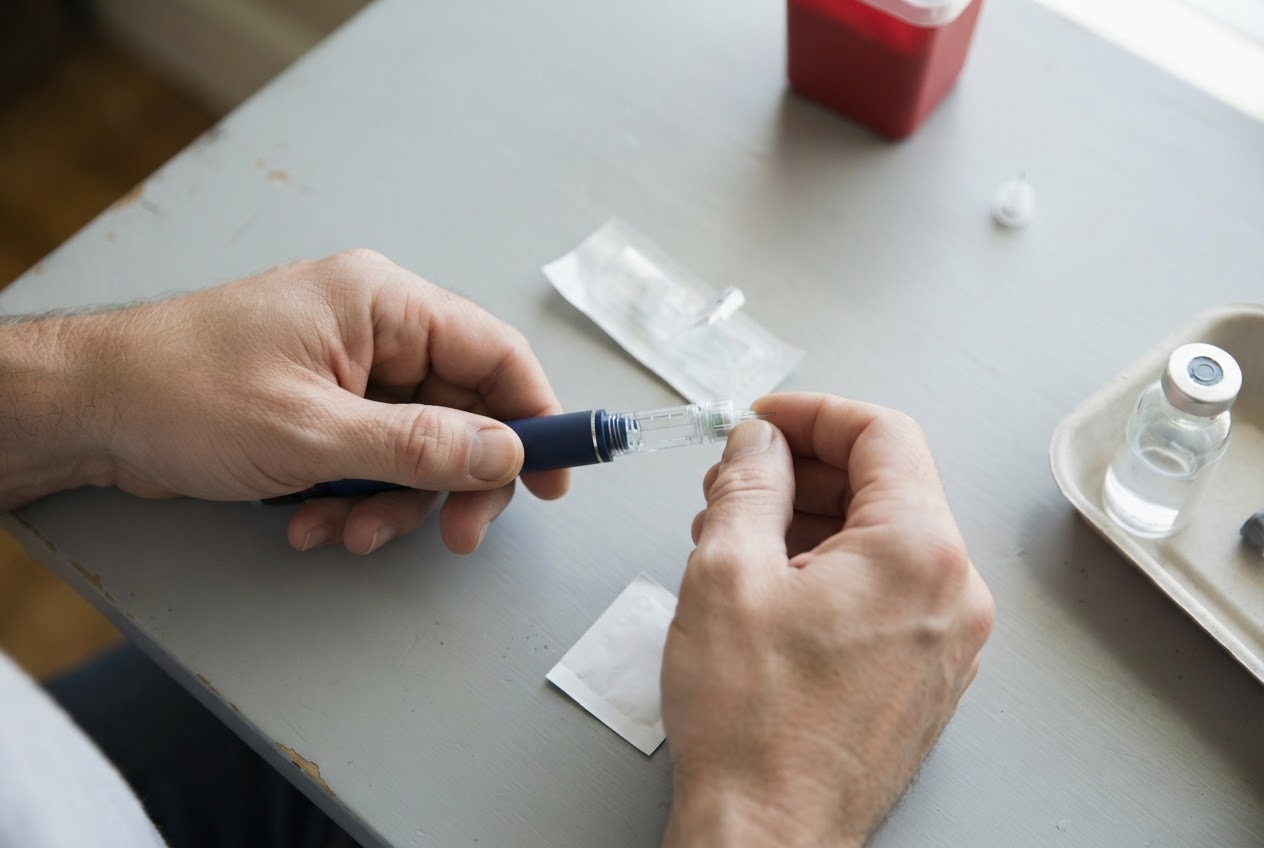
In type 2, treatment depends on a person’s state of health and personal situation. Exercise and an adapted diet are often part of it. Doctors can also prescribe medication that lowers blood sugar. If this treatment is not enough or is unsuitable for other reasons, insulin is also an option in type 2. Insulin therapy therefore does not automatically mean that someone has type 1.
Type 2 can be partly influenced
Exercise, a balanced diet and, where appropriate, weight loss can lower the risk of type 2 and support treatment. However, they are not guaranteed to prevent the disease. Family history and age cannot be changed through personal behavior. Type 2 diabetes therefore cannot simply be put down to personal behavior.
In some people with type 2, the HbA1c value falls below the diabetes range for a longer period without blood-sugar-lowering medication. Experts then speak of remission. This is no guarantee of a permanent cure: blood sugar levels still need to be monitored. For type 1, prevention through lifestyle changes has not been demonstrated; insulin remains necessary for treatment.
Both types need monitoring
Persistently high blood sugar levels can damage the eyes, kidneys, nerves and blood vessels in both types of diabetes. Regular check-ups help detect such changes early. Depending on your doctor’s assessment, these may also include examinations of the eyes, kidneys and feet, as well as checks for other cardiovascular risks.