If you are pregnant and overweight, or already have gestational diabetes, you may wonder whether strength training can improve your blood sugar or prevent the condition. Gestational diabetes means that blood sugar reaches elevated levels during pregnancy. Physical activity is part of care; strength training is one form of it, but it has not been shown to prevent or treat gestational diabetes on its own.
Physical activity can lower the risk of gestational diabetes. If you have already been diagnosed, it can help control your blood sugar. However, it does not replace blood sugar monitoring, a tailored diet or any necessary medication.
What Strength Training Can Do
In strength training, your muscles work against resistance, for example using your own body weight or a light resistance band. The World Health Organization recommends regular physical activity for pregnant women without medical contraindications. As a general guideline, it suggests at least 150 minutes of moderate aerobic activity per week plus muscle-strengthening activities. This recommendation does not set out a specific training plan for pregnant women who are overweight or have diabetes.
With gestational diabetes, physical activity is part of treatment alongside diet and regular blood sugar checks. The 2026 American diabetes guideline reports that exercise programs can improve blood sugar levels and reduce the need for insulin. However, the programs studied varied: some focused on aerobic activity, others on strength training or a combination. It is therefore unclear which type of exercise works best.
Distinguishing Between Prevention and Treatment
For prevention in pregnant women who are overweight or have obesity, a meta-analysis pooled seven studies. Gestational diabetes occurred in 16.3 percent of the exercise groups and 21.5 percent of the comparison groups. The difference was not statistically significant. A subgroup analysis found more favorable results when participation in the programs was high. This finding is an indication, but not proof, that greater participation alone lowers the risk of developing the condition.
A meta-analysis published in 2026 on supervised exercise programs during pregnancy found an overall lower risk of gestational diabetes. However, the programs included different types of exercise and were not aimed exclusively at pregnant women who were overweight. This suggests a possible benefit of regular physical activity, but not a proven effect of strength training alone.
For women already diagnosed with gestational diabetes, there are smaller studies on strength training. A meta-analysis of four studies with 242 participants found indications of better blood sugar levels and a lower need for insulin. One study of 100 women compared strength training with endurance training. Both groups also received nutritional counseling and additional care. Based on the results, it remains unclear whether strength training offers advantages over no exercise or over endurance training.
How to Get Started with Exercise
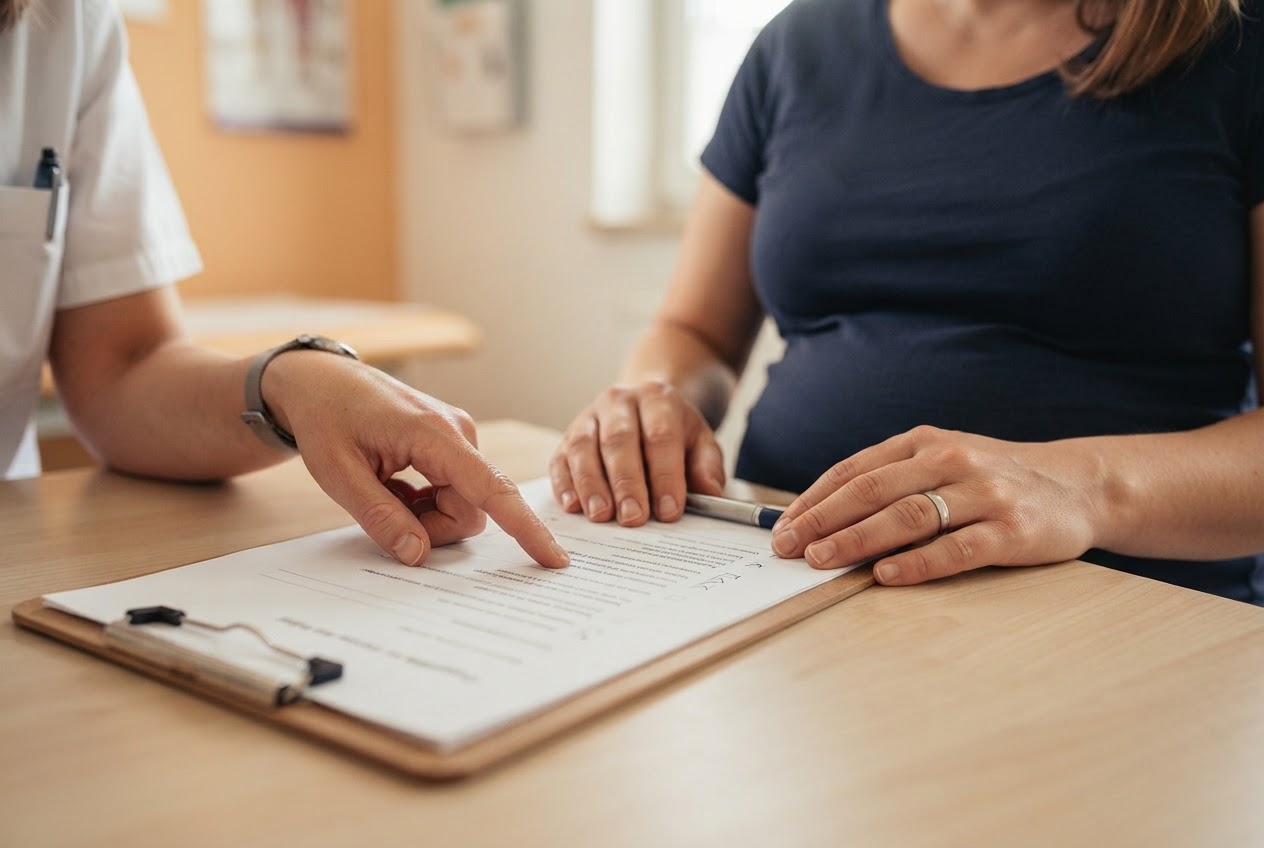
Talk to your doctor or midwife before you start training or significantly increase the intensity. This applies especially if you have pregnancy complications, symptoms or an existing diabetes diagnosis. If you have been inactive beforehand, you should start slowly. The talk test can help you gauge moderate effort: you should still be able to hold a conversation while exercising.
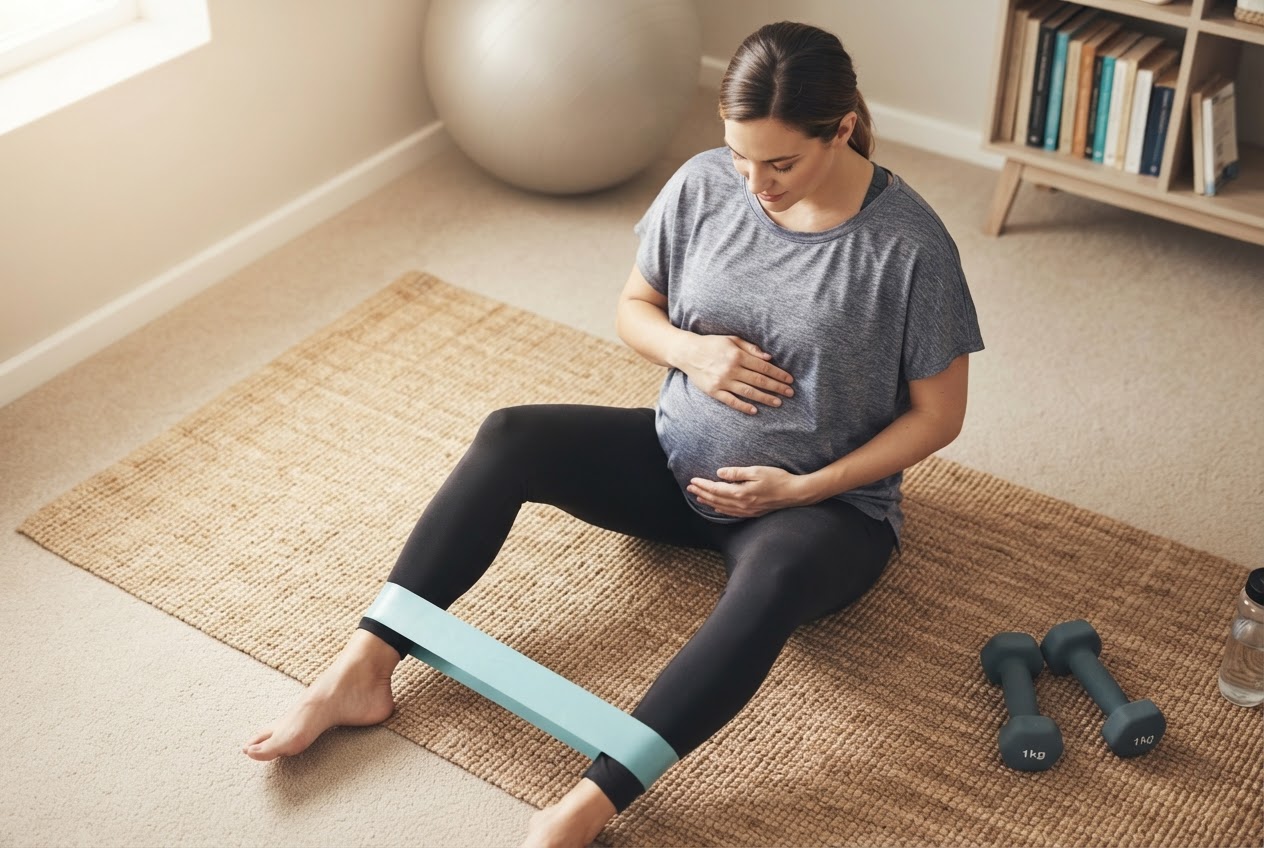
If it suits your individual situation, moderate aerobic activity can be combined with light exercises using your own body weight or a resistance band in stable, comfortable positions. Research does not establish an optimal number of repetitions, sets or training days for pregnant women with gestational diabetes. A professional can help adapt exercises to your symptoms, the course of your pregnancy and your previous fitness level.
If you have gestational diabetes, exercising after meals can fit well into everyday life. The British NICE guideline, for example, mentions a 30-minute walk after a meal. Whether this suits your situation, and how your blood sugar responds, should be discussed with your care team.
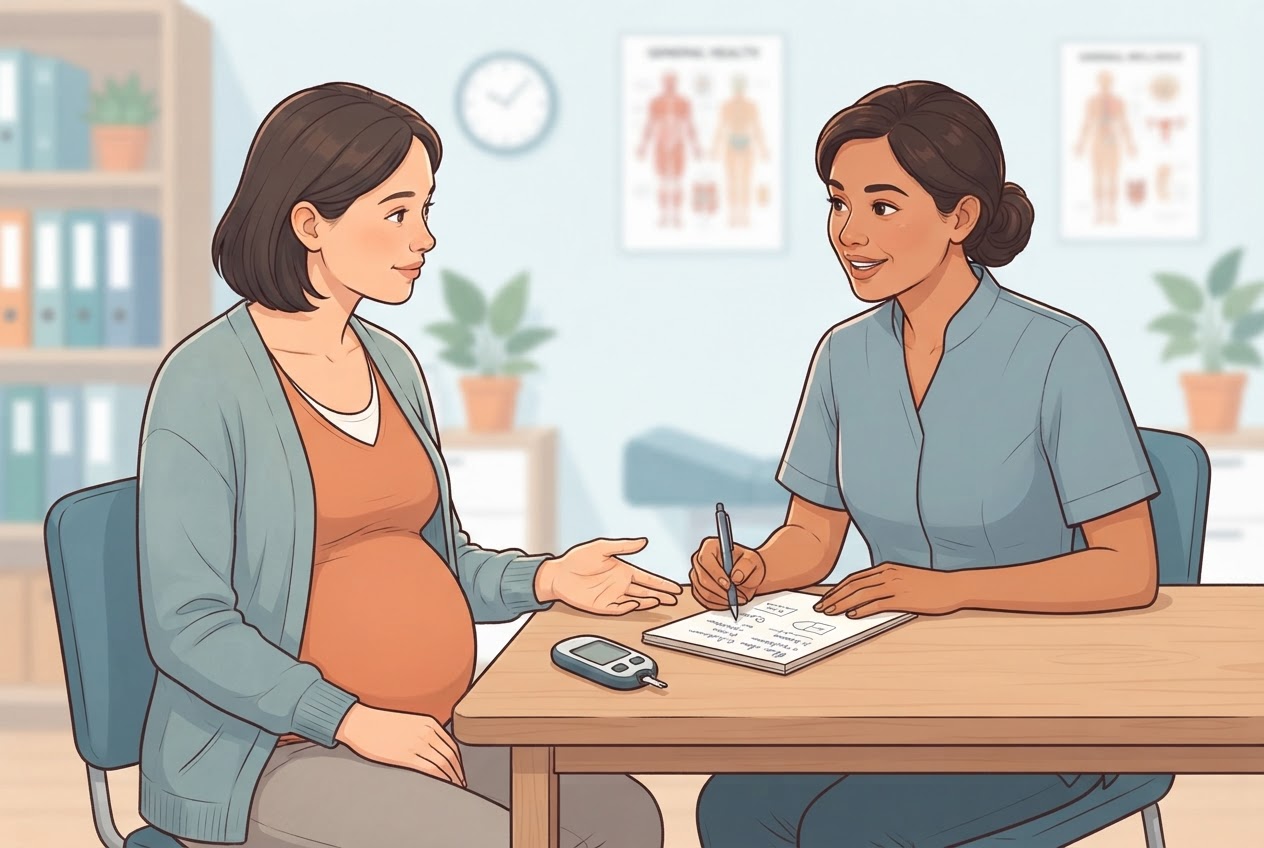
Strength training does not replace prescribed treatment. Keep to the agreed blood sugar checks and do not change medication on your own. If your readings are not within the agreed target range despite diet and exercise, your healthcare professional will decide on the next steps. During pregnancy, you should also not aim for weight loss through strenuous training or a severely restricted diet.
Warning Signs During Exercise
Drink enough fluids and avoid overheating. After the first trimester, avoid prolonged exercises lying on your back. Stop exercising and seek medical advice if you experience vaginal bleeding, leaking fluid or regular painful contractions. This also applies to abdominal or chest pain, dizziness, severe headaches or unusual shortness of breath, as well as pain and swelling in the calf. If symptoms are severe or persistent, prompt medical evaluation is necessary.