If you live with diabetes, you don’t have to equate movement with sport or a fixed training program. Walking, climbing stairs, gardening or getting up regularly all break up long periods of sitting. Such activities can help with managing diabetes. They do not replace medication or other agreed treatments, and they do not cure diabetes.

How movement affects blood sugar depends, among other things, on the type of diabetes and on the treatment. Movement should fit into everyday life. Your personal treatment should not be changed without consulting your care team.
What counts as movement
Physical activity covers any movement in which the body uses energy. Exercise is a planned form of movement intended specifically to improve fitness. In everyday life, movement can be worked in without a training program. Going somewhere on foot is one option. Taking the stairs instead of the elevator and working in the garden count as well.
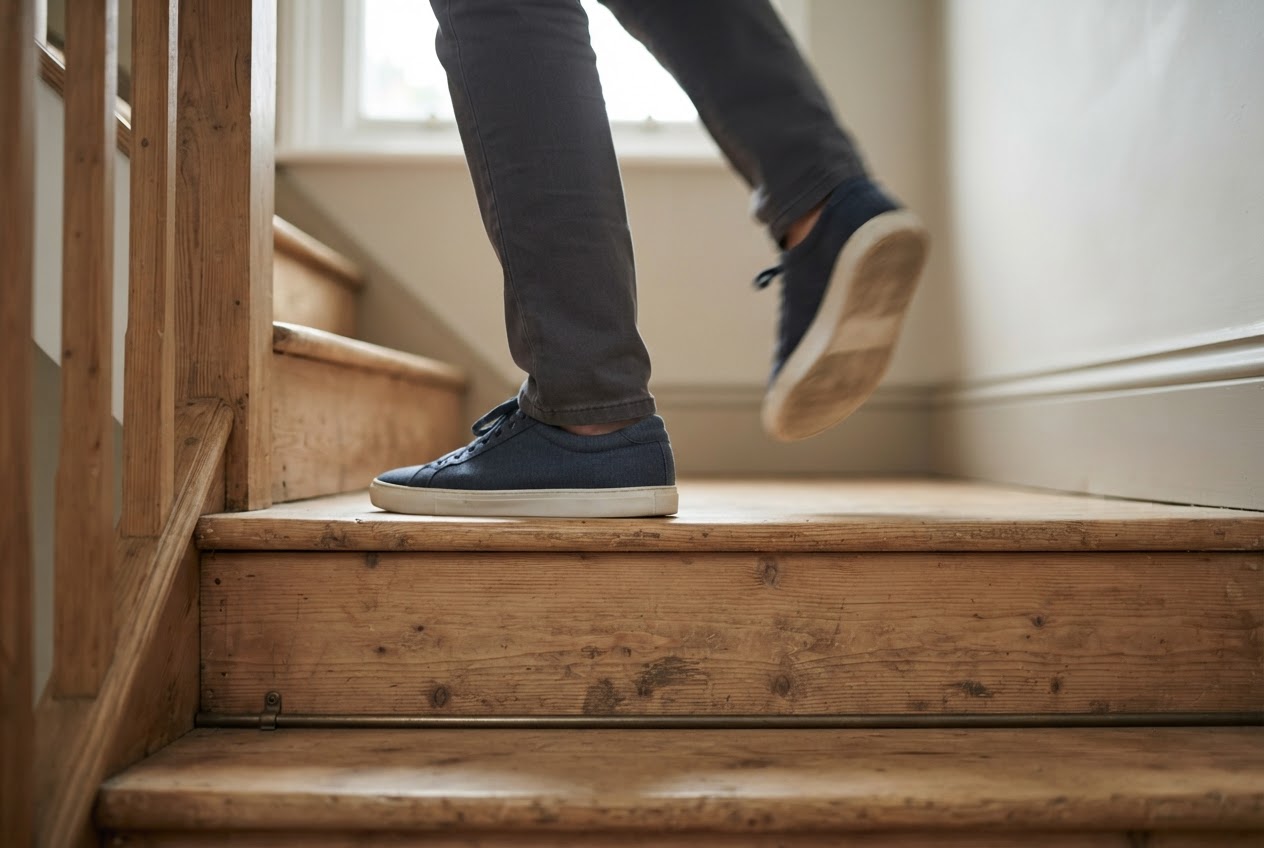
The German National Disease Management Guideline on type 2 diabetes recommends more movement in everyday life and less prolonged sitting. It does not prescribe any particular form of movement. What matters is what suits your own situation and personal preferences. If you have to sit for long periods at work, for example, you can stand up when there are suitable opportunities or cover short distances on foot.
What effect to expect
Movement is part of managing diabetes and can have health benefits. According to the German guideline, in type 2 diabetes such benefits can exist even without weight loss. Movement does not necessarily lead to weight loss. Body weight does not have to go down for movement to be good for your health.
The effect on blood sugar varies. Results from studies on planned exercise do not automatically apply to individual everyday activities. A specific drop in blood sugar from climbing stairs or short movement breaks cannot be predicted for any one person.
Remission in type 2 diabetes means that blood sugar stays below the diabetes range for a prolonged period without taking blood-sugar-lowering medication. It is not a cure. Movement alone does not guarantee remission. In type 1 diabetes, activity supports diabetes management without eliminating the autoimmune cause; most people affected still need insulin.
Keeping an eye on blood sugar and treatment
With insulin and certain blood-sugar-lowering medications, movement increases the risk of hypoglycemia. Hypoglycemia can also occur only after the movement. If you take insulin or such medications, you should discuss personal questions about movement, blood sugar monitoring and handling hypoglycemia with your diabetes care team. Doses should not be adjusted on your own.
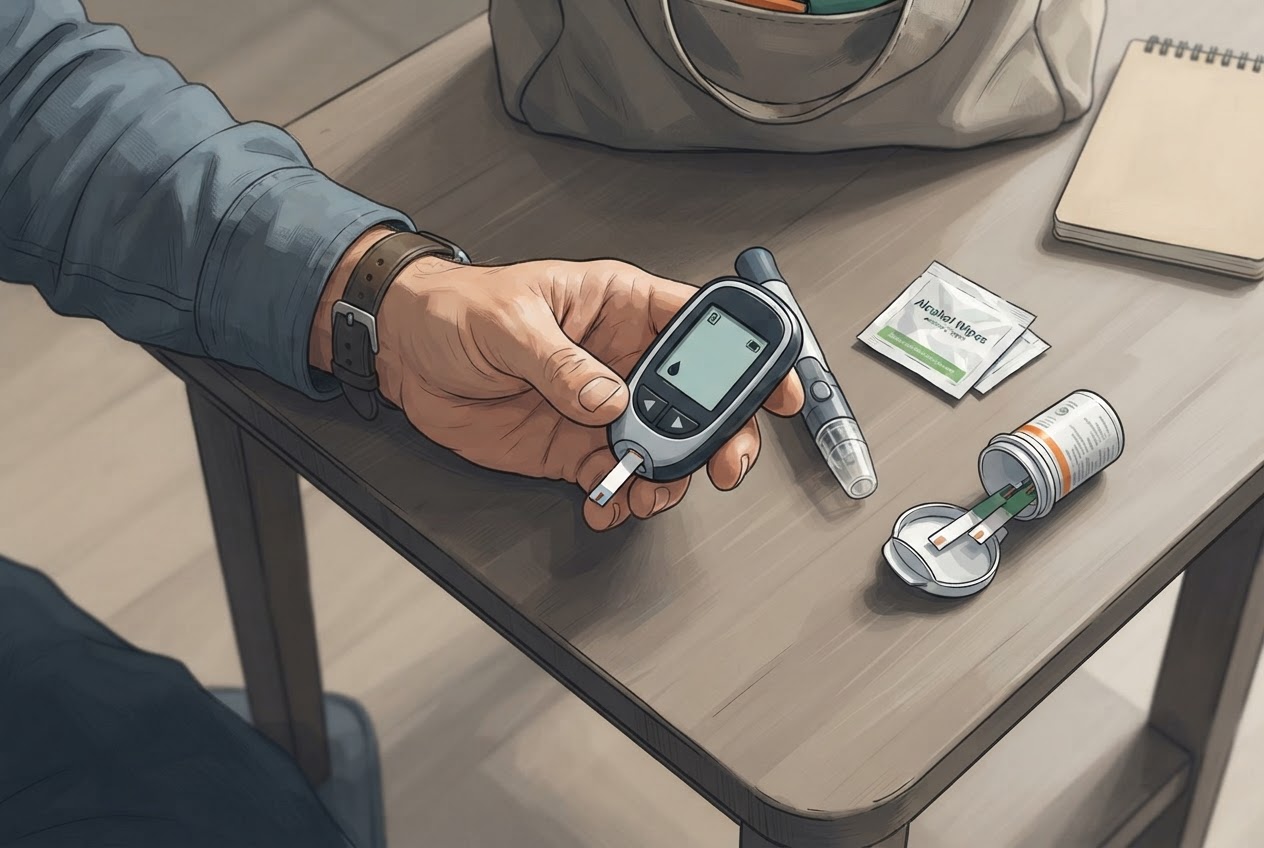
If the person affected is shaking or breaks out in a sweat, they should follow their agreed plan for hypoglycemia. The same applies to sudden hunger or confusion. If someone is unconscious or unable to swallow safely, do not give them anything to eat or drink and call the emergency services.