For people with diabetes, foods that contain carbohydrates affect blood sugar. These include bread, pasta, potatoes, fruit and sweets. How much blood sugar rises after a meal depends, among other things, on how many carbohydrates you eat and how they have been processed. The response varies from person to person.
In everyday life, it helps to choose carbohydrate portions consciously and to eat vegetables, legumes and whole grain products more often. No single diabetes diet or specific food reliably lowers blood sugar in everyone. The right diet depends on the type of diabetes and on the medication. Personal needs also play a role.
Choosing drinks without sugar
Lemonade, fruit juice and sweetened tea or coffee provide sugar. They are less filling than solid food. Water and unsweetened drinks are therefore simple alternatives. If you regularly drink sweetened beverages, you can replace them gradually, for example starting with one meal a day.

Whole fruit is not the same as juice: it contains fiber and has to be chewed. Juice also contains sugar but can be drunk quickly. The German Diabetes Association recommends that people with type 2 diabetes limit sugar-sweetened drinks.
Portioning carbohydrates mindfully
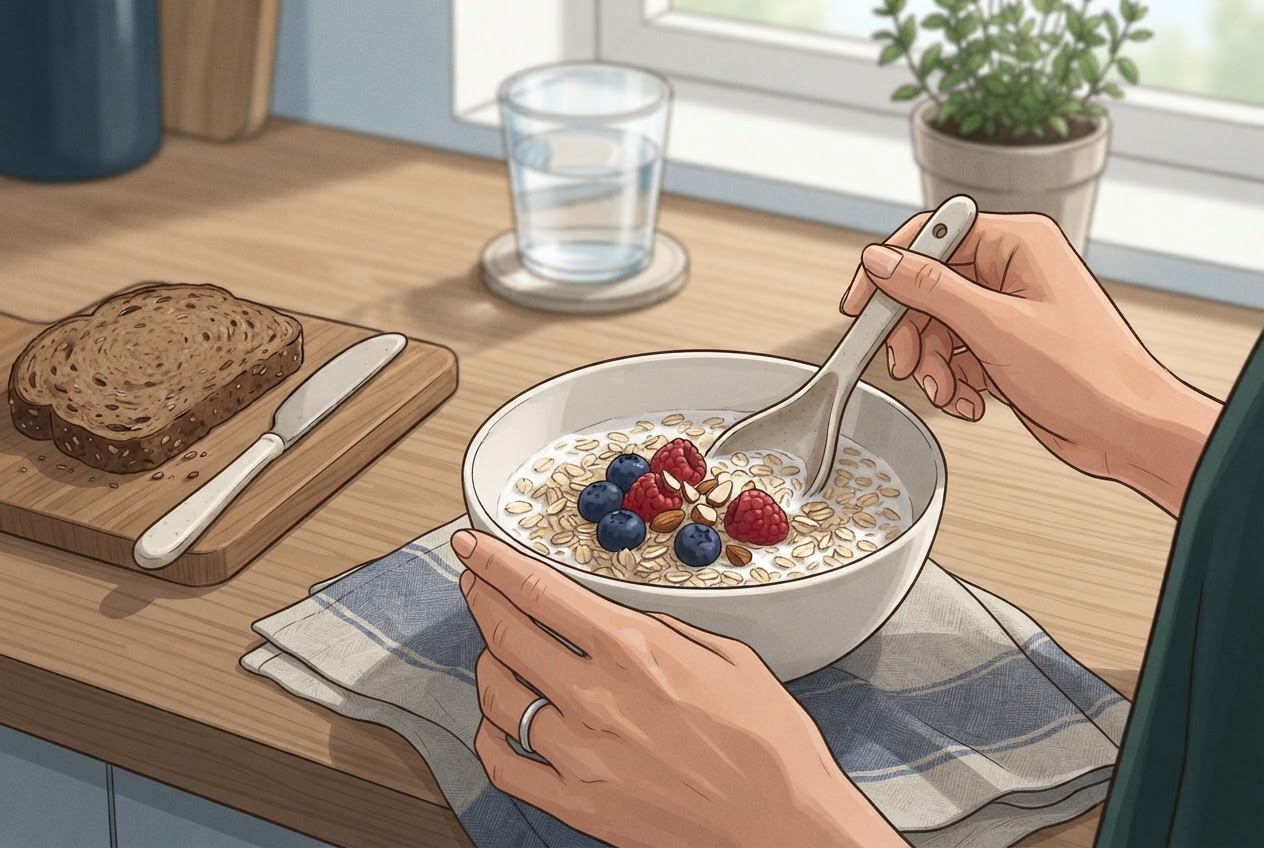
People with diabetes do not generally have to give up carbohydrates. Whole grain bread instead of white bread, or oats instead of heavily sugared breakfast cereals, are simple alternatives. Beans and lentils also provide carbohydrates, but they offer fiber and protein at the same time.
As a guide for a main meal, about half of the plate can consist of vegetables. One quarter is meant for a protein source such as fish, egg, tofu or legumes, and another quarter for a carbohydrate source such as whole grain rice or potatoes. This plate division is a flexible memory aid, not a binding portion guideline. The right amount depends, for example, on how much you exercise, your blood sugar levels and your treatment.
Including vegetables, whole grains and legumes
Fiber is found in vegetables, oats, whole grain products and legumes, among other foods. It often makes foods more filling and is part of a balanced diet. A pooled analysis of several studies on people with diabetes found lower HbA1c and fasting blood sugar levels on average with higher fiber intake. The HbA1c value reflects blood sugar over the past weeks and months. However, the studies varied widely. The average therefore does not show with certainty how more fiber will affect an individual person.
A small change is often enough in everyday life: add lentils to vegetable soup, choose whole grain bread with a salad, or combine oats with plain yogurt and whole fruit. People with diabetes do not need to avoid fruit across the board. It contains carbohydrates and should be factored into the meal; whole fruit is usually the better choice than fruit juice.

Choosing a suitable eating rhythm
Frequent snacking on foods containing carbohydrates can add extra calories and affect blood sugar patterns. In its patient information on type 2 diabetes, the DDG recommends planning carbohydrates for main meals as a general rule. This recommendation is not a universal rule for every person. Insulin therapy and blood sugar-lowering medication also play a role. Physical activity and personal eating habits matter as well.
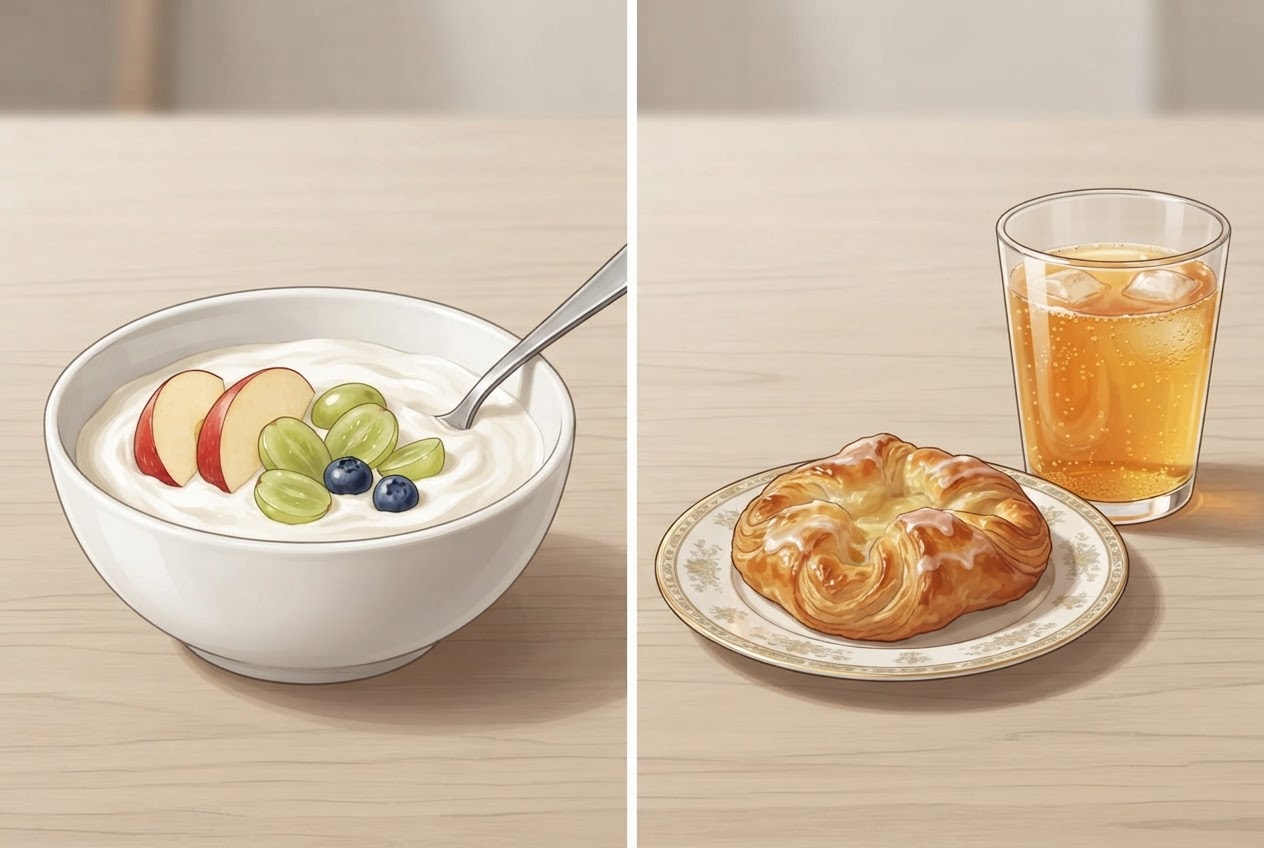
If you get hungry between meals, you can discuss a suitable snack with your doctor’s practice or a qualified nutrition specialist. A piece of fruit with plain yogurt, for example, has a different composition from a sweet pastry or a sweetened drink.
Planning dietary changes safely
If you take insulin or blood sugar-lowering medication, you should not change your carbohydrate intake significantly without coordinating your treatment. A major change, such as switching to a very low-carbohydrate diet, may require adjusting your medication. Otherwise, the risk of hypoglycemia increases. Never stop or change medication on your own.
The DDG’s nutrition guidance is aimed at people with type 2 diabetes. In type 1 diabetes, coordinating carbohydrates and insulin is especially important; general tips for type 2 cannot simply be applied. Gestational diabetes also has its own medical guidelines. Older people and those with other health conditions should likewise discuss strict diets with their doctor.