Anyone living with diabetes needs to adapt their diet and physical activity to their treatment. Which steps make sense depends mainly on whether a person has type 1 or type 2 and which medications they take. A balanced diet and regular exercise support treatment, but they do not automatically replace medication or insulin.
Diabetes is a metabolic disease in which blood sugar, the amount of sugar in the blood, stays too high over the long term. Insulin is a hormone that helps move sugar from the blood into the body’s cells. In type 1, insulin is missing; in type 2, it does not work well enough or the body does not produce enough of it.
Why the types of diabetes differ
In type 1 diabetes, the immune system usually attacks the insulin-producing cells of the pancreas. Why the immune system attacks these cells is not fully understood. Type 1 is not caused by an unhealthy diet or too little exercise. People with type 1 need to take insulin.
In type 2 diabetes, the body’s cells respond less well to insulin. A genetic predisposition, lack of exercise and excess weight can raise the risk, but no single factor explains every case. Changes in diet and exercise can help prevent type 2 or delay a diagnosis. This does not make people responsible for their condition.
Gestational diabetes is a distinct form of elevated blood sugar during pregnancy. It is detected as part of routine prenatal care and requires tailored care.
Which treatment is right
In type 1, insulin is part of the treatment. People with the condition check their glucose levels, in other words their blood sugar levels, regularly and adjust their insulin dose to meals and daily life. Too much insulin can cause low blood sugar, while too little can cause high blood sugar. Education programs help people better interpret readings and situations such as exercise or illness.
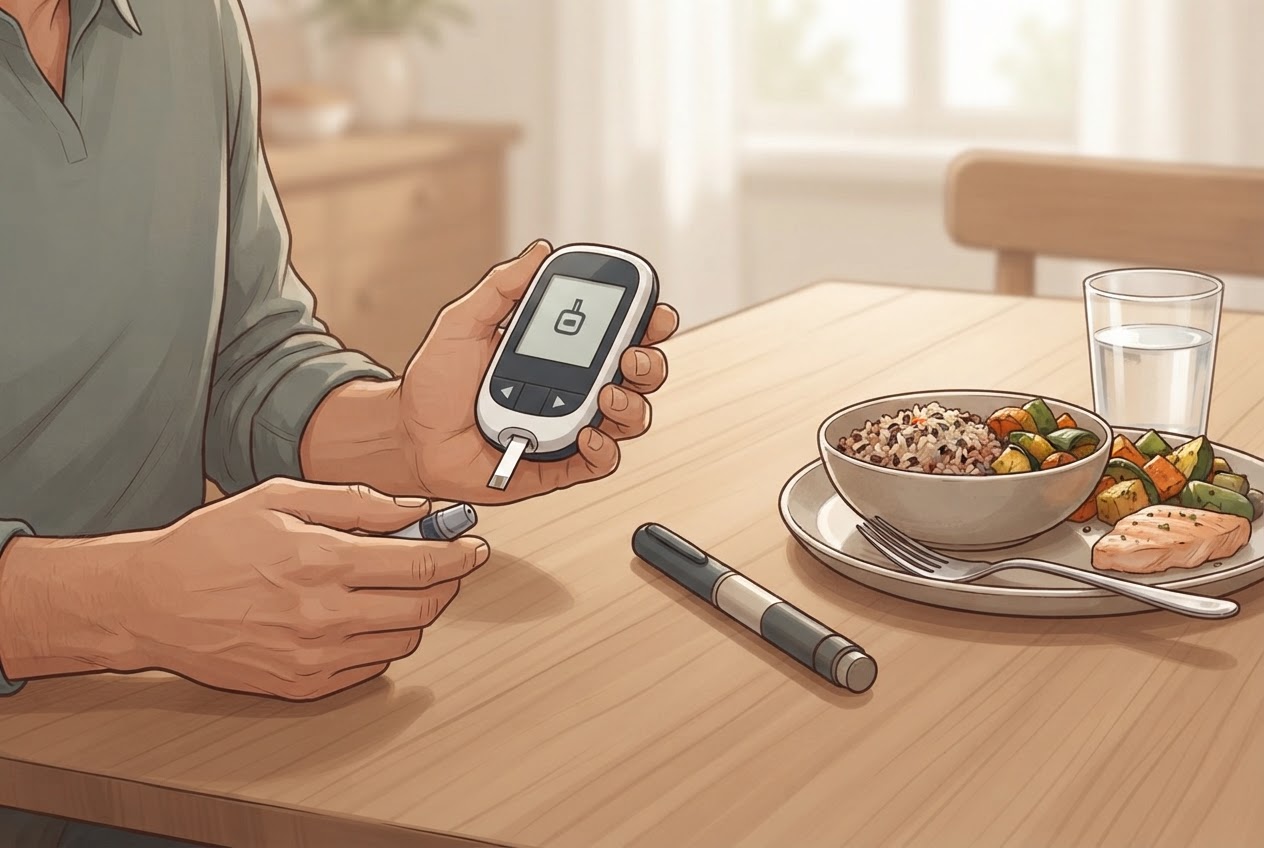
In type 2, treatment depends on overall health and any coexisting conditions. Personal goals also play a role. Exercise and a suitable way of eating can improve how well insulin works. Some people also need medication, others insulin or a combination. Anyone who makes a significant change to their diet or exercise should check with their doctor whether their therapy needs to change. People should not stop prescribed medication on their own.

Regular check-ups are also part of treatment. Doctors examine the eyes, kidneys and feet, among other things. They also monitor blood pressure and cardiovascular risks. Readings and meals can be recorded in a notebook or an app. Exercise and symptoms can be noted there too. This can help you discuss changes in concrete terms at your next appointment.
What to put on your plate every day
For type 2 diabetes, there is no single way of eating that suits everyone best. A Mediterranean, plant-based or reduced-carbohydrate diet may be an option. What matters is that the choice fits into everyday life over the long term and is compatible with treatment.
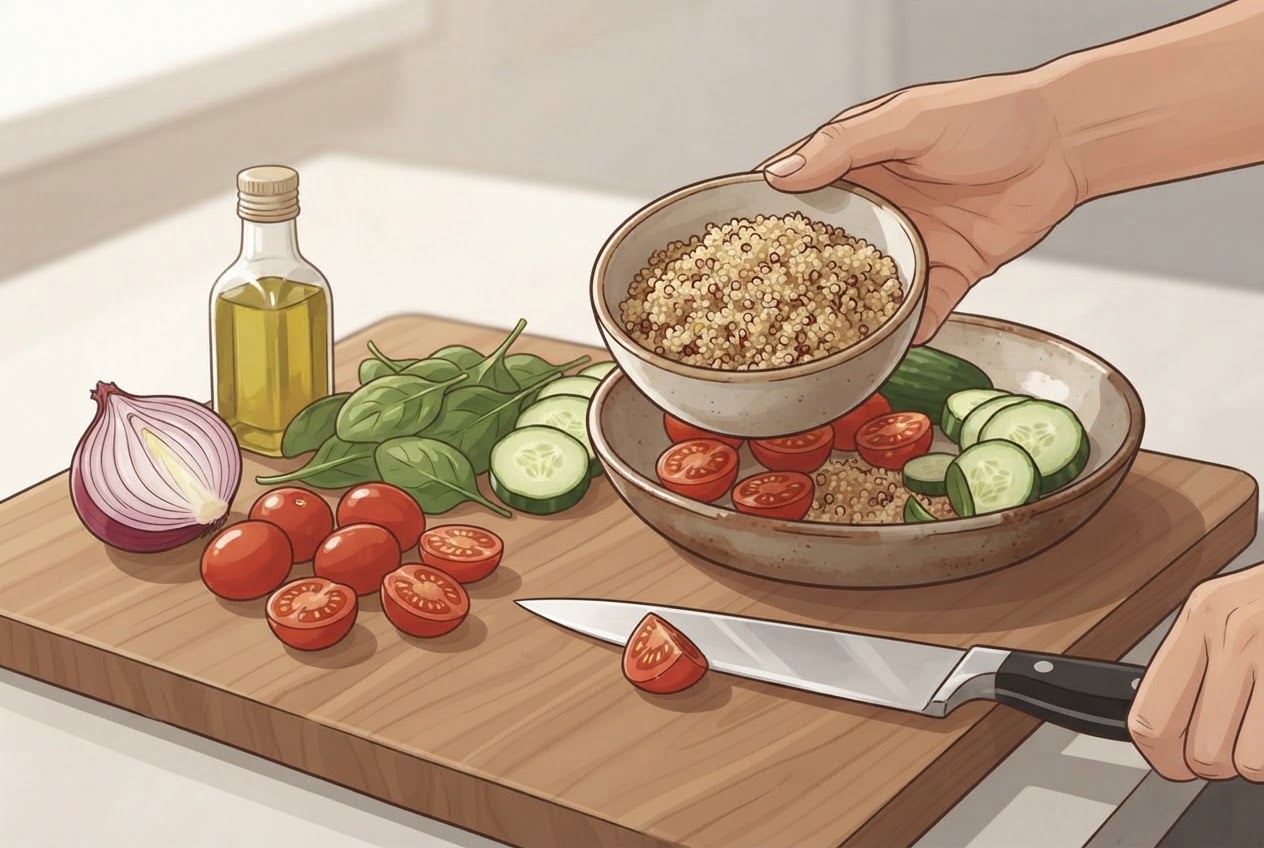
A good start is to eat vegetables, legumes and whole grain products more often. They provide fiber and keep you full. Drinking water or unsweetened tea instead of soda means consuming fewer sugary drinks. Sweets or white flour products do not have to be banned across the board; quantity and frequency count, as does the rest of your diet. Special “diabetic foods” offer no particular advantage.
Carbohydrates can still be part of the menu. How many carbohydrates someone eats and which foods they come from affects how blood sugar develops. Anyone who injects insulin must match the amount of carbohydrates to their insulin therapy. Larger changes, such as a very low-carbohydrate diet, should therefore be discussed with the treatment team beforehand. They can improve blood sugar levels in the short term, but they are not suitable for everyone in the long run.
For people with type 2 diabetes, diabinfo.de gives at least 30 grams of fiber a day as a guideline. This is a reference value, not an individual requirement. Weight loss is also only an option if it is medically indicated. If needed, it should be planned so that as much muscle mass as possible is preserved.
Building exercise into your day
Regular exercise supports blood sugar regulation and general health. The World Health Organization gives at least 150 minutes of moderate physical activity per week as a guideline. Brisk walking, cycling, gardening and climbing stairs all count. You can spread the activity across the week. A short walk after a meal is one possible way to start.
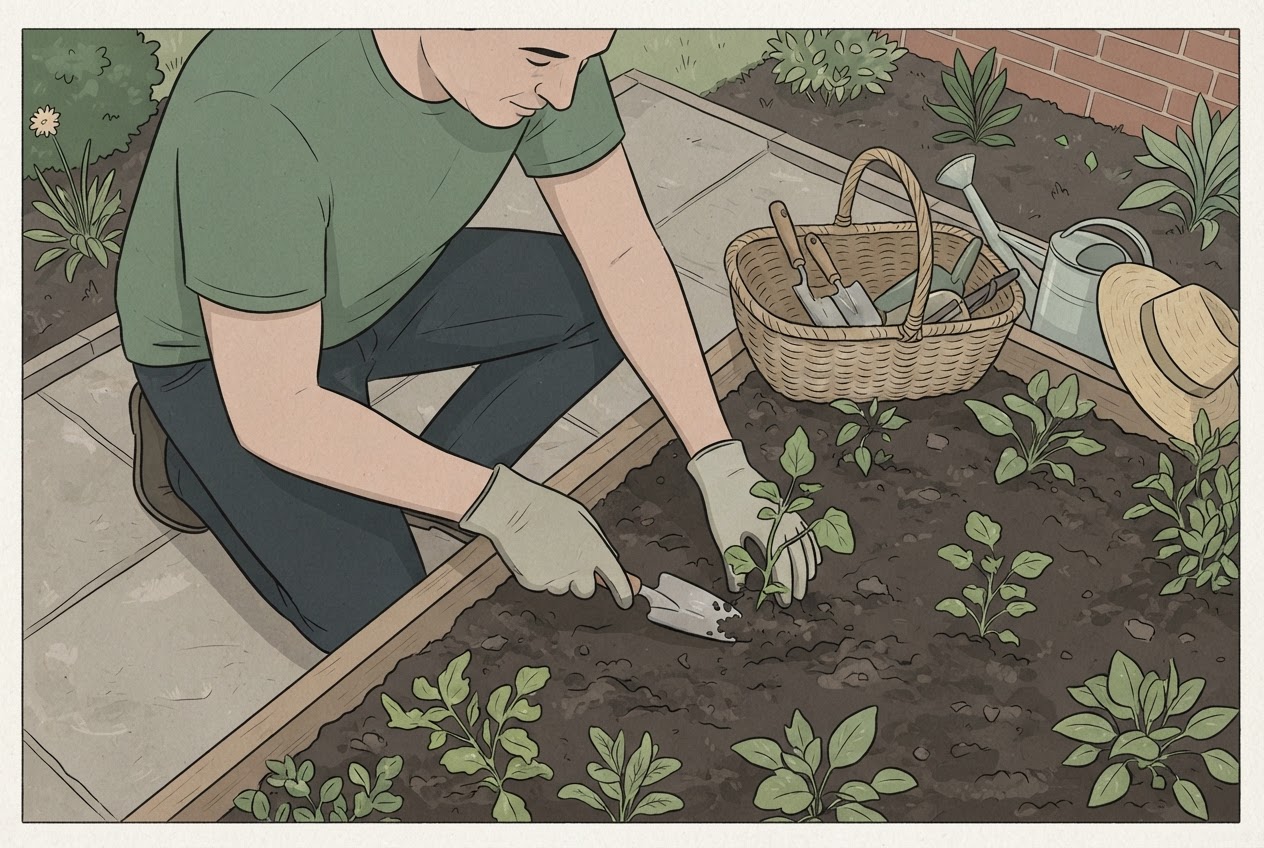
If you have been inactive so far, you can start by gradually adding more movement to your daily routine instead of beginning right away with a demanding training program. Strength training is a useful addition. If you have health conditions or physical limitations, you should discuss how to get started with a doctor.
In type 1 and in insulin-treated diabetes, exercise affects blood sugar in different ways. Longer activity, such as brisk walking or cycling, often lowers it; short, intense activity can make it rise temporarily. Low blood sugar sometimes occurs only after exercise. People should therefore work out in advance how to adjust measurements, insulin and carbohydrates to the activity in question.
Recognizing low and high blood sugar
Low blood sugar can show up as trembling, sweating, palpitations or confusion. Anyone taking insulin or blood sugar-lowering medication should agree on a personal plan for such situations with their treatment team. If someone loses consciousness or has a seizure: do not give them anything to eat or drink, and call emergency services immediately.
Severe high blood sugar can also require urgent treatment. In diabetes, especially type 1, vomiting, abdominal pain, deep or rapid breathing and increasing drowsiness are warning signs. In this situation, medical help is needed immediately. If you are unsure about symptoms or readings, you should seek medical advice.