When a post promotes a dietary supplement as a cure for diabetes or portrays insulin as a personal failure, it often leaves out important details. Check which type of diabetes and which group of people the claim applies to, and whether it is based on studies or on personal experience.
A good correction explains the claim without overgeneralizing. It distinguishes between a cause and a risk factor, names open questions, and makes clear when a treatment decision belongs in a conversation with a medical professional.
First, clarify the type of diabetes
Type 1 and type 2 develop in different ways. In type 1, the immune system attacks the cells that produce insulin. People with type 1 must receive insulin. In type 2, insulin no longer works properly in the body. As the condition progresses, the body may also produce less insulin. Some people with type 2 therefore need insulin as well.
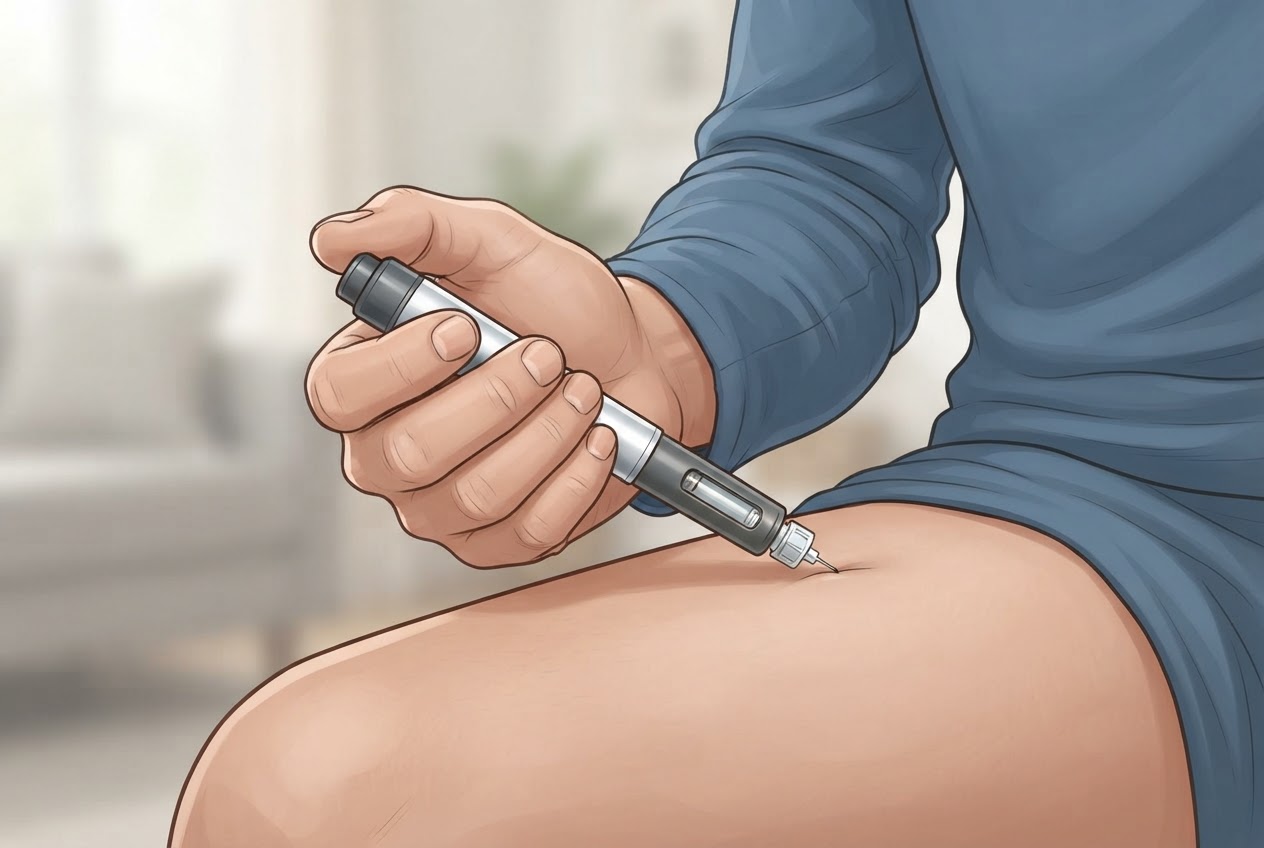
What applies to one type of diabetes in terms of prevention, causes, or treatment does not automatically apply to the other. The World Health Organization (WHO) also emphasizes that type 1 can occur at any age. A claim about diabetes should therefore explain which form it refers to.
Separate cause from risk
The German word “Zuckerkrankheit” (“sugar disease”) sounds as if table sugar directly causes diabetes. This simplification is misleading. Type 2 diabetes is linked to several factors, including genetic predisposition, age, and lifestyle. Sugar-sweetened beverages are associated with a higher incidence of type 2 diabetes. It does not follow, however, that a single food alone causes the disease.

Weight is also a risk factor, not a reliable predictor. Not everyone who is overweight develops type 2 diabetes, and not everyone with the condition is overweight. A factual correction therefore explains that weight influences risk. It does not turn this into a question of blame or into a diagnosis that can be read from someone’s body.
Don’t judge the treatment
Insulin is a treatment, not a verdict on a person’s behavior or “discipline.” In type 1, it is essential for survival. In type 2, it may become necessary if the course of the disease changes. Anyone who portrays insulin therapy as a failure ignores these medical realities.
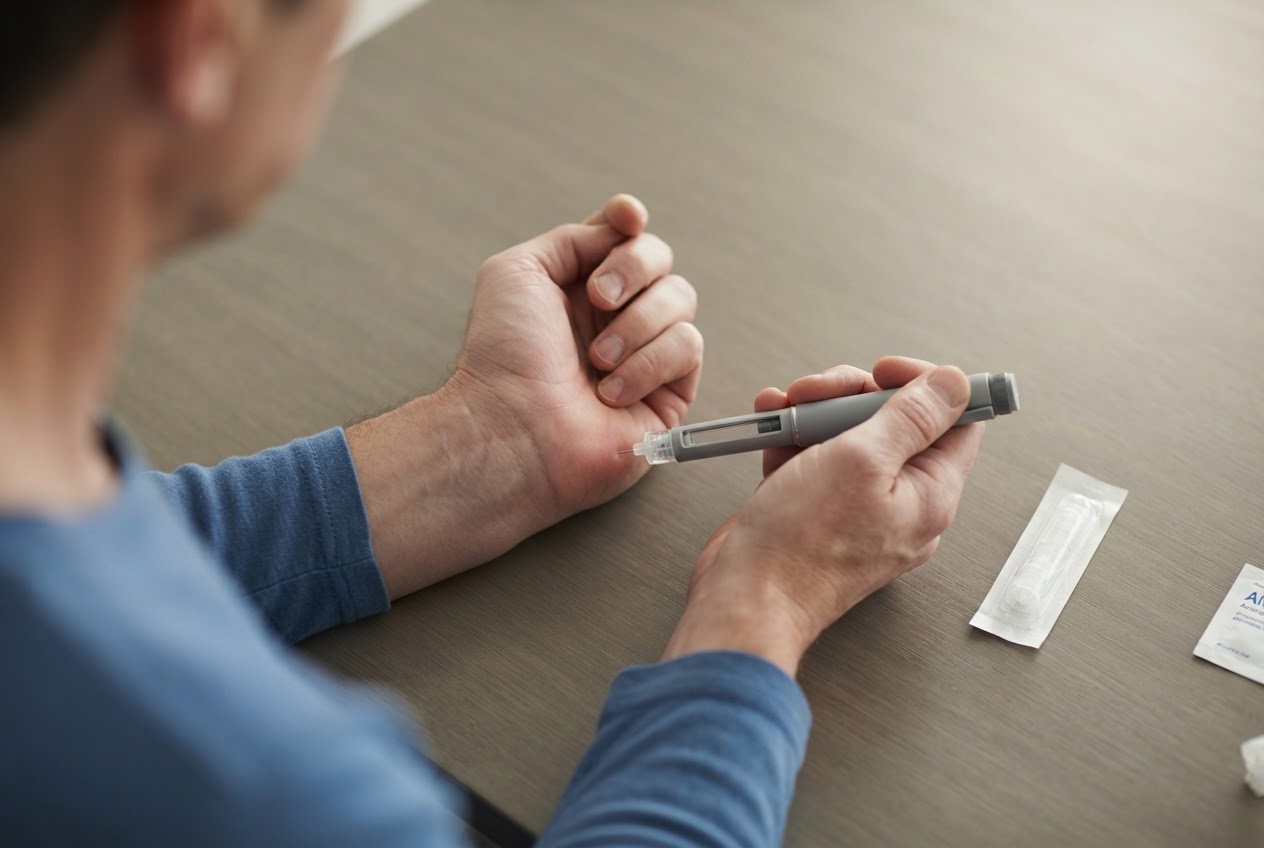
Blanket food bans also fall short. The same goes for claims that exercise is safe and straightforward for everyone with diabetes. A balanced diet can be adapted to personal needs and treatment goals. Exercise is generally good for health; however, for people on insulin or other treatments that can cause low blood sugar, individual safety arrangements are needed. For this reason, do not change medications or doses based on a post.
When it comes to infections, you should also distinguish between how easily someone becomes infected, how the illness progresses, and which complications arise. A blanket statement such as “People with diabetes get infections more often” falls short if it does not explain which infection and which risk it refers to.
Remission does not mean cure
In type 2 diabetes, some people achieve remission under certain conditions. This means that blood sugar levels stay below the thresholds at which doctors diagnose diabetes for a period of time. It is no guarantee of lasting success and does not mean the condition has been permanently cured. Whether remission is achieved depends, among other things, on the starting situation and the treatment.
A study result therefore cannot be applied as a promise to every individual. Meaningful reports state the group studied, the treatment, and the time period. Medical care remains important even when blood sugar levels improve.
Take a critical look at supplements
Ads for alleged diabetes cures sometimes use fake celebrity endorsements or misused logos of professional organizations. Neither a personal testimonial nor a medical-sounding title proves effectiveness on its own. A convincingly designed website provides no proof either. Be especially wary of promises that a product can replace medication or treat several diseases at once.
For many dietary supplements, there are not enough studies to reliably recommend them as a treatment. “Not sufficiently proven” does not mean, however, that every single substance has been shown to be ineffective. But a possible effect is not yet a proven, safe replacement therapy. Do not stop taking medication on your own, and discuss the use of supplements with your doctor.
Check claims online
Before sharing or correcting a post, check what claim it makes and who benefits from it. A personal story of recovery alone does not amount to evidence from a study. A claim that experts are hiding a reliable cure creates distrust without providing any verifiable proof. Fake images can attribute to celebrities and experts an endorsement they never gave. The same applies to fake voices and videos.
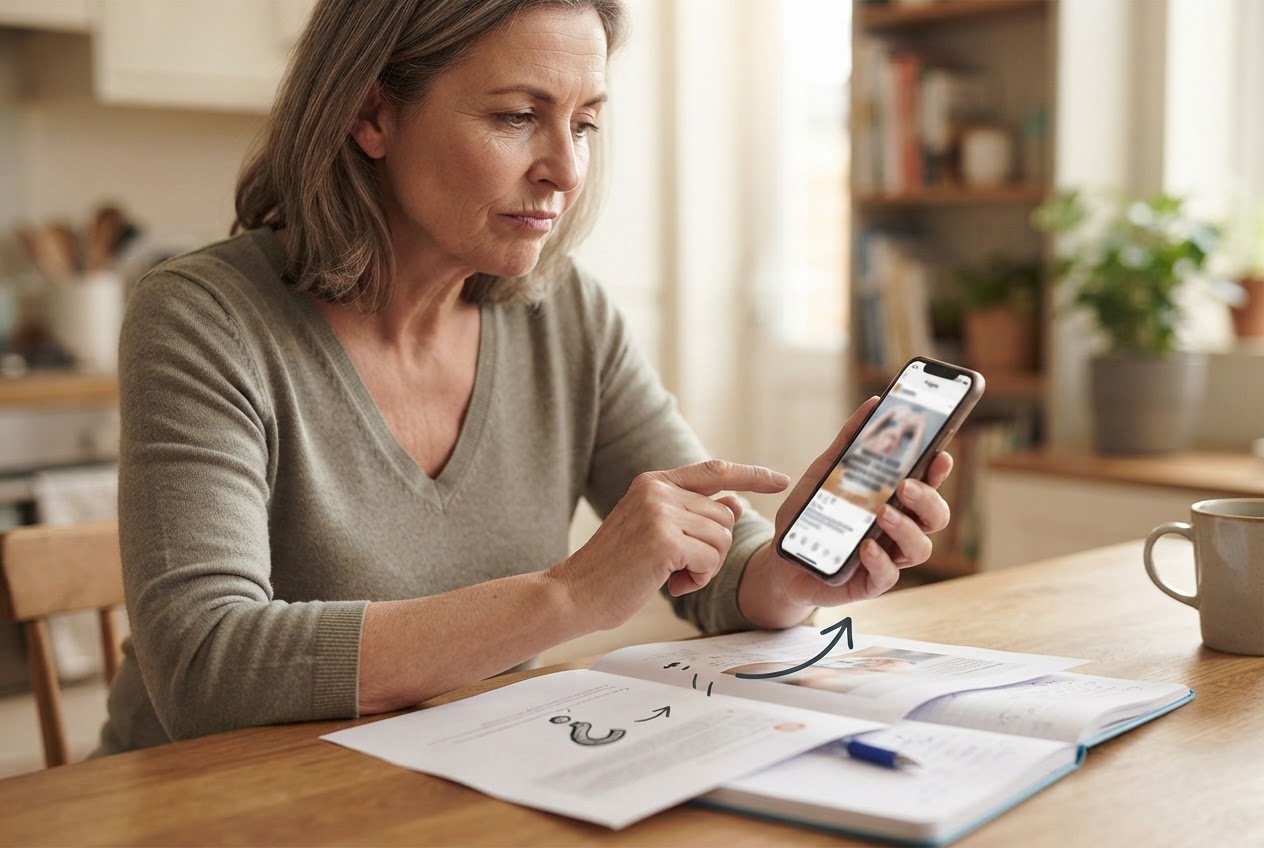
These questions can help with your check:
- Is a specific study named, and do the type of diabetes, target group, and time period match the claim?
- Does the source also sell the product it recommends?
- Can alleged endorsements, logos, and personal statements be confirmed with the person or institution named?
- Are a correlation and a cause treated as the same thing?
A commercial interest is a warning sign, but not proof that everything the source says is false. Conversely, a title in the healthcare field does not automatically make a claim correct.
Write corrections that are easy to understand
First explain what is true according to current knowledge, then point out important details that are missing from the claim. Don’t needlessly repeat exaggerated promises of a cure in a headline or the first sentence, or you will spread the claim further before readers see the correction.
A helpful wording names the type and the uncertainty: “Type 2 diabetes has several contributing factors. Sugar-sweetened beverages are associated with a higher risk of the disease, but sugar alone does not explain it.” This way, the statement avoids both “Sugar causes diabetes” and “Sugar has nothing to do with it.”
Also make clear what a study shows and what it does not prove. A study can describe a correlation without demonstrating a direct cause. A personal story can explain what helped one person, but it does not prove that the same measure is safe or effective for everyone.
Get help for acute symptoms
For acute symptoms, do not rely on social media posts, and do not change your treatment because of them. Talk to your care team about medication, diet, and exercise before you change anything.
If someone is unconscious, has a seizure, or is clearly confused or disoriented, call your local emergency number immediately. Do not give an unconscious person anything to eat or drink.