If you have diabetes, it’s worth comparing the sugar and carbohydrate content of drinks. Water and unsweetened drinks are a simple choice for everyday life. For bottled drinks, the nutrition table and the ingredients list help: the table shows the sugar content, and the ingredients list shows which ingredients have been added.
Claims such as “sugar-free” and “no added sugar” do not mean the same thing. If you understand the terms correctly, you can compare drinks more easily and see that a marketing claim does not reveal the full sugar content.
Water and Unsweetened Drinks
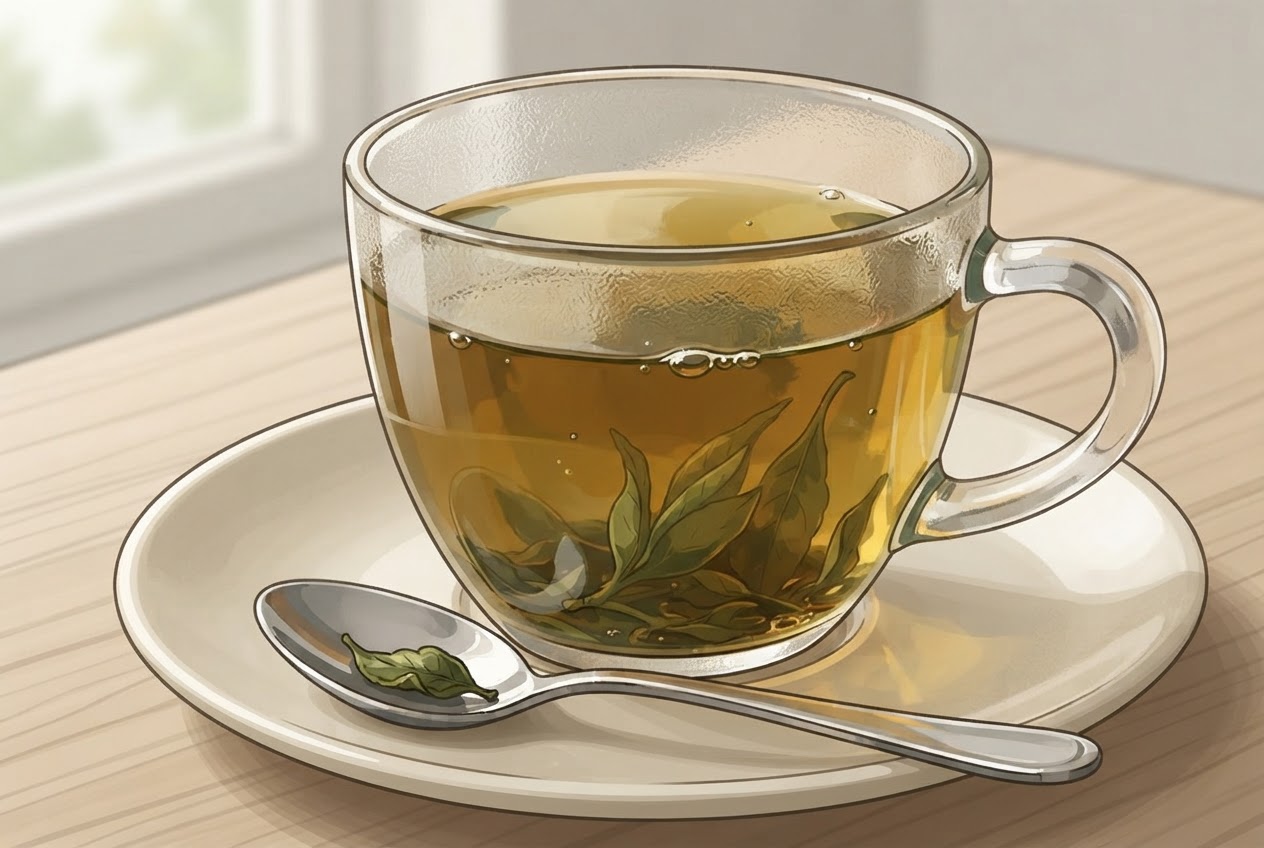
Tap water and mineral water are good thirst quenchers. Unsweetened herbal or fruit tea is also suitable. Coffee and green and black tea can also be drunk unsweetened. They contain caffeine. You can flavor water with herbs or slices of fruit without adding sugar.
Lemonades, cola, iced tea, energy drinks and some flavored waters often contain added sugar. According to the German Nutrition Society, typical sweetened soft drinks contain about 80 to 100 grams of sugar per liter. That is 8 to 10 grams per 100 milliliters. The actual value depends on the product, so the nutrition table of each product is what counts when comparing.
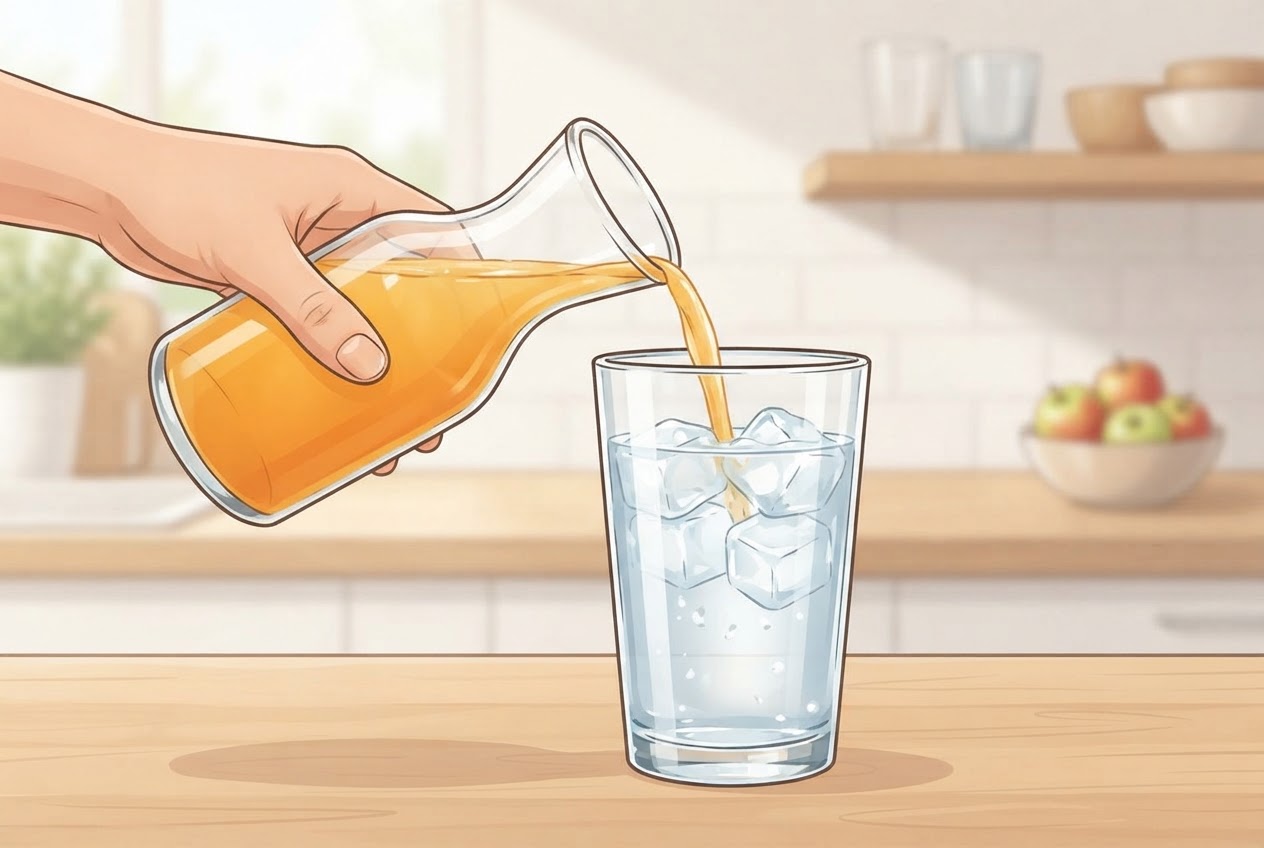
Fruit juice also contains sugar, even if no sugar has been added. Because of the dilution, a juice spritzer contains less juice per glass, but it is still a drink with fruit sugar. As a general guideline, the DGE recommends mixing one part juice with three parts water.
Reading the Nutrition Table Correctly
On packaging, nutritional values are usually given per 100 milliliters, so you can compare different drinks. Since a bottle or serving may contain more than 100 milliliters, also check the stated serving size.
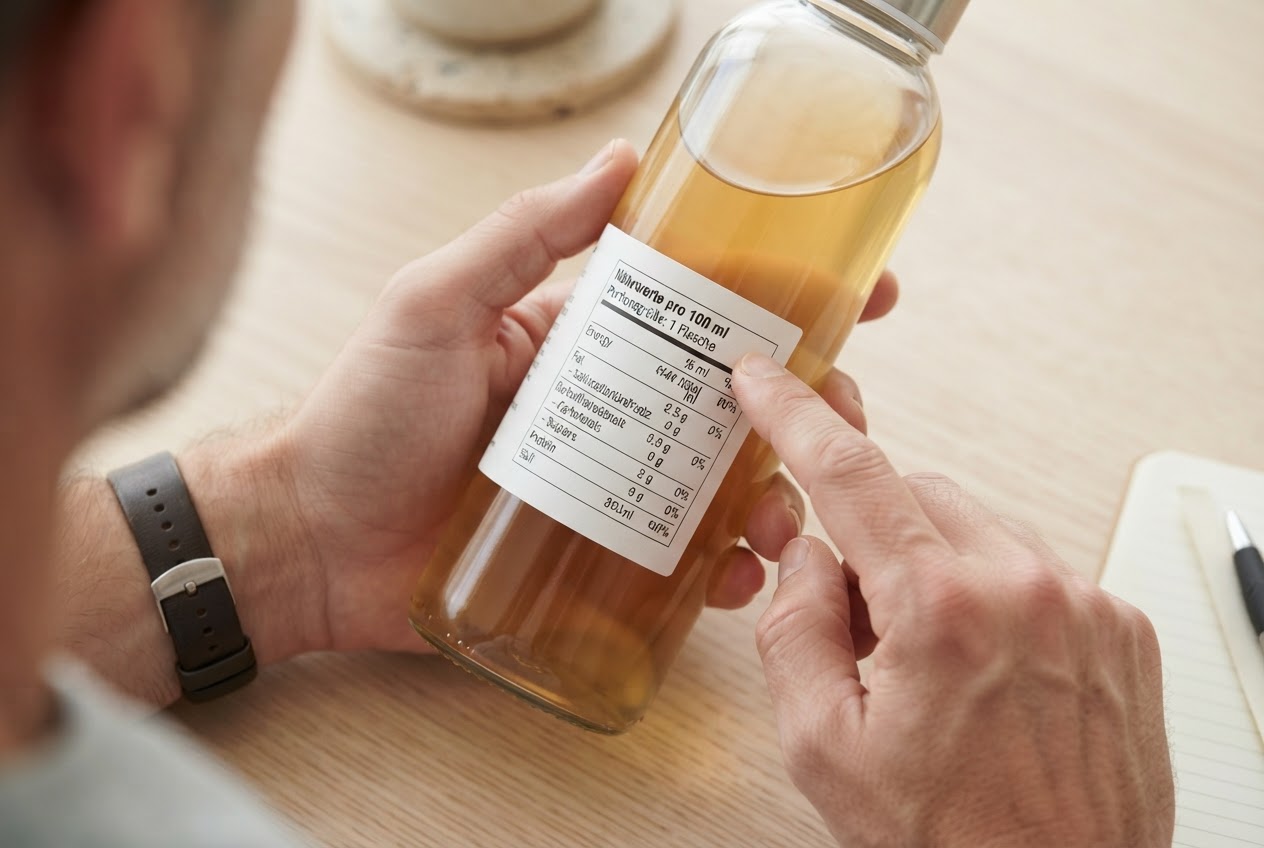
The “carbohydrates” line also includes other carbohydrates the body can use. “Of which sugars” lists the sugar separately, but does not distinguish between naturally occurring and added sugar. A juice can therefore show sugar in the nutrition table even though no sugar has been added.
The ingredients list complements the table. As a rule, the ingredient with the greatest weight comes first. The ingredients list can give clues about added sources of sugar, but it normally does not show their exact amount. You can therefore read the total sugar content better in the nutrition table.
Claims on the Front of the Pack
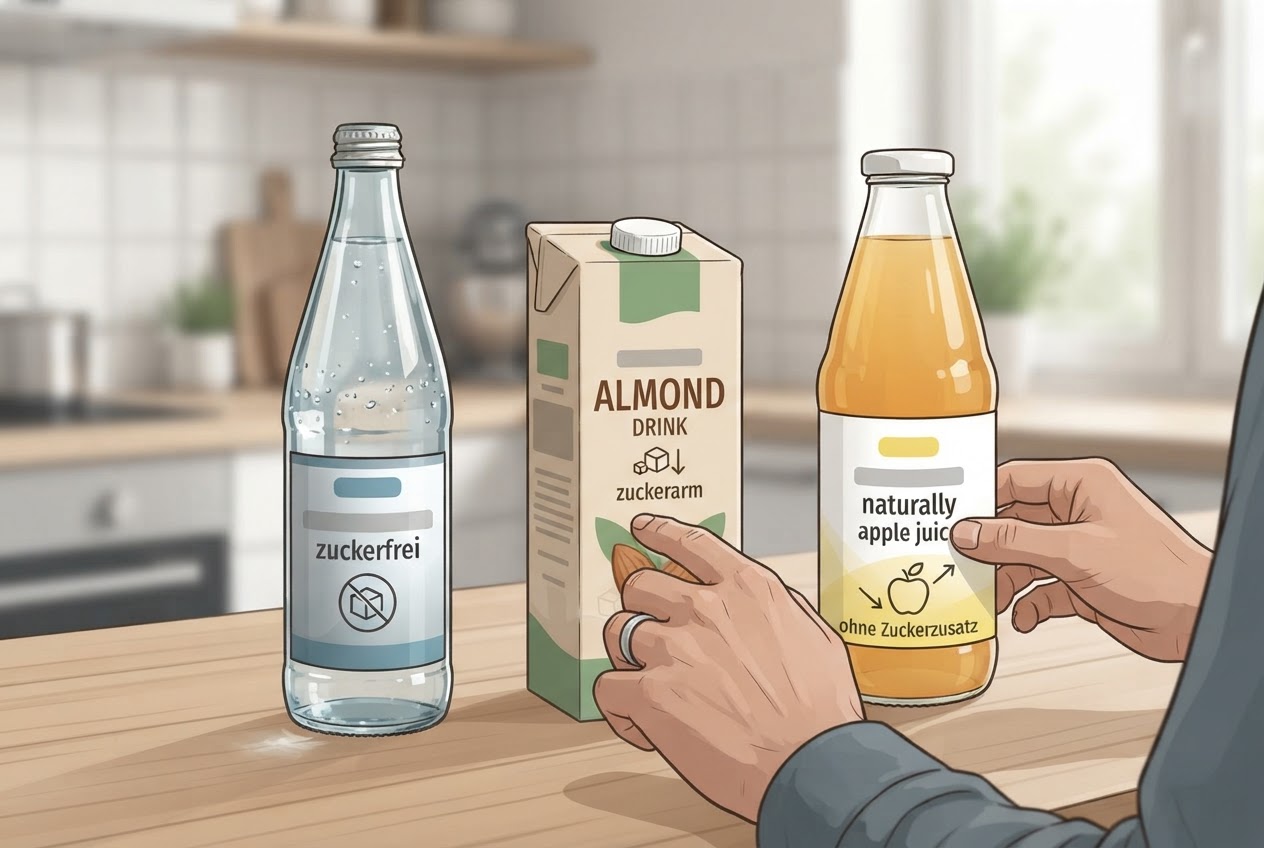
The terms “low sugar,” “sugar-free” and “no added sugar” have different legal meanings. Under EU law, the following limits and conditions apply to liquid foods:
| Claim | Meaning |
|---|---|
| Low sugar | No more than 2.5 grams of sugar per 100 milliliters |
| Sugar-free | No more than 0.5 grams of sugar per 100 milliliters |
| No added sugar | No sugars or other foods have been added for their sweetening effect |
Legally, “sugar-free” does not necessarily mean that a drink contains exactly zero grams of sugar, and “no added sugar” does not rule out naturally occurring sugar. For foods that naturally contain sugar, a corresponding notice is provided for. A fruit juice can therefore be labeled “no added sugar” and still contain sugar.
Assessing Diet Drinks
Diet drinks often contain sweeteners instead of sugar. The DGE gives water and unsweetened drinks priority over diet drinks. The German Diabetes Association takes a more nuanced view of sweeteners in a 2022 practice recommendation on nutrition therapy for type 1 diabetes: when used occasionally, they can be part of a diet suited to diabetes.
Research on the possible health effects of sweeteners does not give a consistent picture. Observational studies sometimes show associations, but do not prove that sweeteners are the cause. The DGE also reports slight weight loss in randomized studies, especially when sweeteners replaced sugar. No relevant changes in diabetes markers were found. Water and unsweetened drinks remain a clear guideline. How drinks containing sweeteners should be assessed depends on the specific question.