If you are unusually thirsty, need to use the toilet often or feel tired all the time, you may wonder whether diabetes is the cause. Diabetes mellitus is a condition in which too much sugar stays in the blood. This happens when the body produces too little insulin or the body’s cells do not respond to insulin sufficiently. Insulin is a hormone that helps move sugar from the blood into the cells.
Type 1 and type 2 differ in their causes and in how they are treated. Symptoms can point to diabetes but do not prove it. Conversely, type 2 diabetes often goes unnoticed for a long time. A blood test shows whether diabetes is present.
Which symptoms point to diabetes?
Severe thirst and frequent urination are among the possible signs. Tiredness, lack of energy, vision problems and unexplained weight loss may also occur. High blood sugar can disrupt the body’s fluid balance and other bodily functions.

In type 1, symptoms often develop within a few days or weeks. Type 2 often begins gradually; some people notice nothing for a long time and are diagnosed during a routine check-up. The absence of symptoms therefore does not rule out type 2 diabetes. If you notice any of these symptoms in yourself, have them checked by a doctor rather than trying to diagnose yourself based on individual signs.
What causes the different types?
In type 1, the immune system usually attacks the cells in the pancreas that produce insulin. This leads to a pronounced insulin deficiency. A genetic predisposition can increase the risk. Which other factors trigger the condition has not been fully established. Type 1 is not the result of a particular lifestyle.
In type 2, the body’s cells respond less and less well to insulin. A genetic predisposition and excess weight can influence the risk. Lack of exercise, smoking and certain eating habits can also contribute. Some medications also affect sugar metabolism. These factors alone do not explain why a particular person develops the condition. In type 2, several influences work together. About 90 percent of diabetes cases are of this type.
There is also gestational diabetes and rarer forms, for example related to genetic changes or diseases of the pancreas.
How is diabetes diagnosed?
Doctors test blood sugar in a laboratory for this purpose. Depending on the situation, a fasting blood sugar test, the HbA1c value or an oral glucose tolerance test may be used. The glucose tolerance test measures how the body processes a sugary solution. The HbA1c value shows the average blood sugar over the past two to three months.
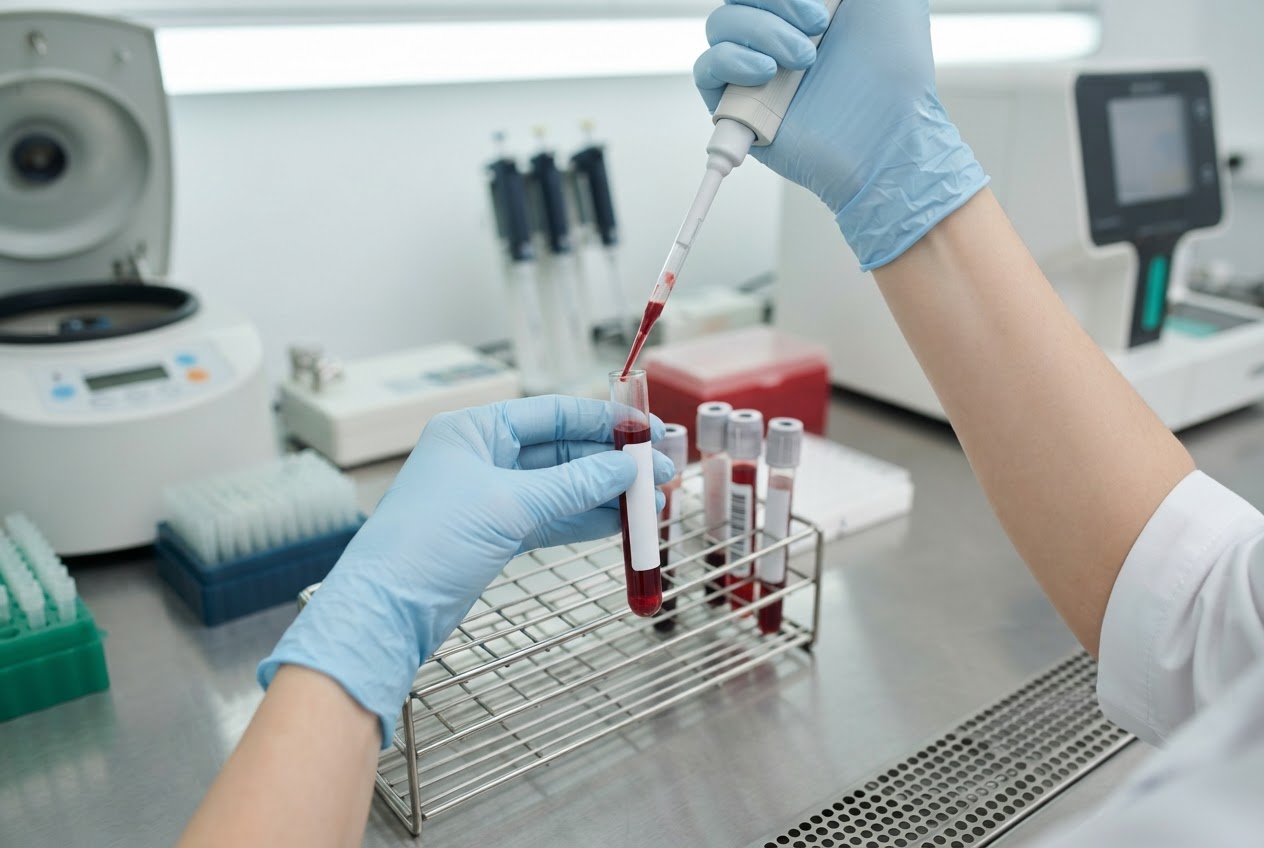
The following thresholds apply for diagnosis: an HbA1c of at least 6.5 percent (48 mmol/mol), a fasting blood sugar of at least 126 mg/dl (7.0 mmol/l), or a two-hour value of at least 200 mg/dl (11.1 mmol/l) in the glucose tolerance test. These thresholds are used for medical diagnosis. Your doctor decides which test is appropriate and how to interpret the result.
How is diabetes treated?
In type 1, the body must receive insulin permanently because it does not produce enough on its own. Those affected inject it or use an insulin pump and monitor their blood sugar. The amount of insulin is tailored to the individual. Too much or too little insulin causes health problems.
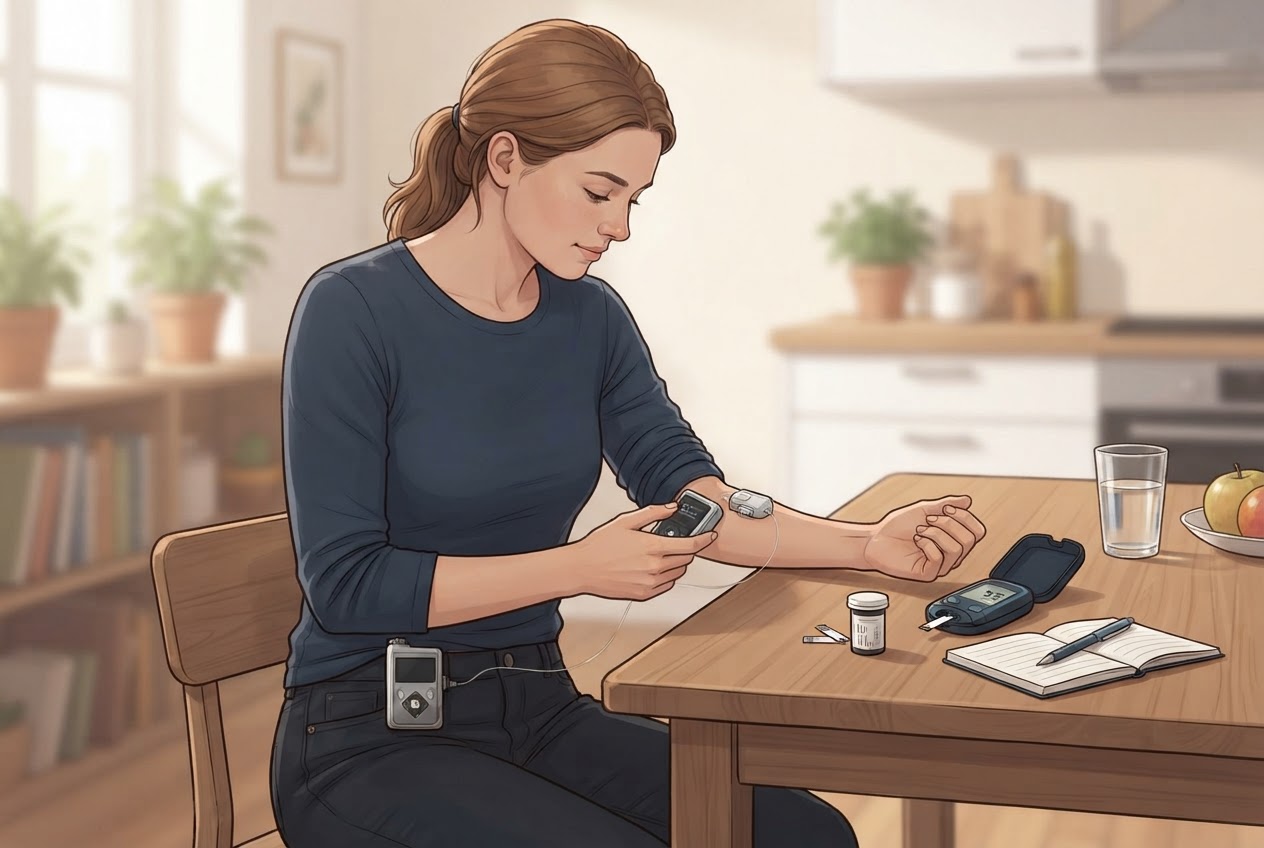
In type 2, treatment depends on a person’s individual health condition and treatment goal. Regular exercise, dietary changes and weight loss in cases of overweight can help lower blood sugar. If these measures are not enough or the health situation calls for faster treatment, blood-sugar-lowering medications and, if necessary, insulin are added. The German National Disease Management Guideline for type 2 diabetes recommends choosing medications to suit each individual. There is no sequence of medications that suits everyone.
Do I have to inject insulin?
In type 1, insulin is essential for survival. Diet and exercise can support treatment but do not replace insulin.
In type 2, some people do not need insulin for a long time. Others need it when their treatment goal cannot be reached with the measures used so far or when their health condition requires insulin. Starting insulin treatment is not a personal failure but a medical decision.
Can type 2 go away?
In some people with type 2 diabetes, blood sugar levels return to normal to the point that experts speak of remission. An international consensus report defines remission, among other criteria, as an HbA1c below 6.5 percent for at least three months without blood-sugar-lowering medication.
Remission does not mean a guaranteed permanent cure. Check-ups remain important because blood sugar levels can worsen again. Type 1 diabetes is currently not curable.
What helps with prevention?
Exercise and a balanced diet can lower the risk of type 2 or delay its onset. However, they do not prevent diabetes in every case. No prevention is currently known for type 1 diabetes.
If you suspect you are at increased risk, you can ask for a blood sugar test at your next medical check-up. This is especially worthwhile if diabetes runs in your family or if you already have symptoms.
What applies during pregnancy?
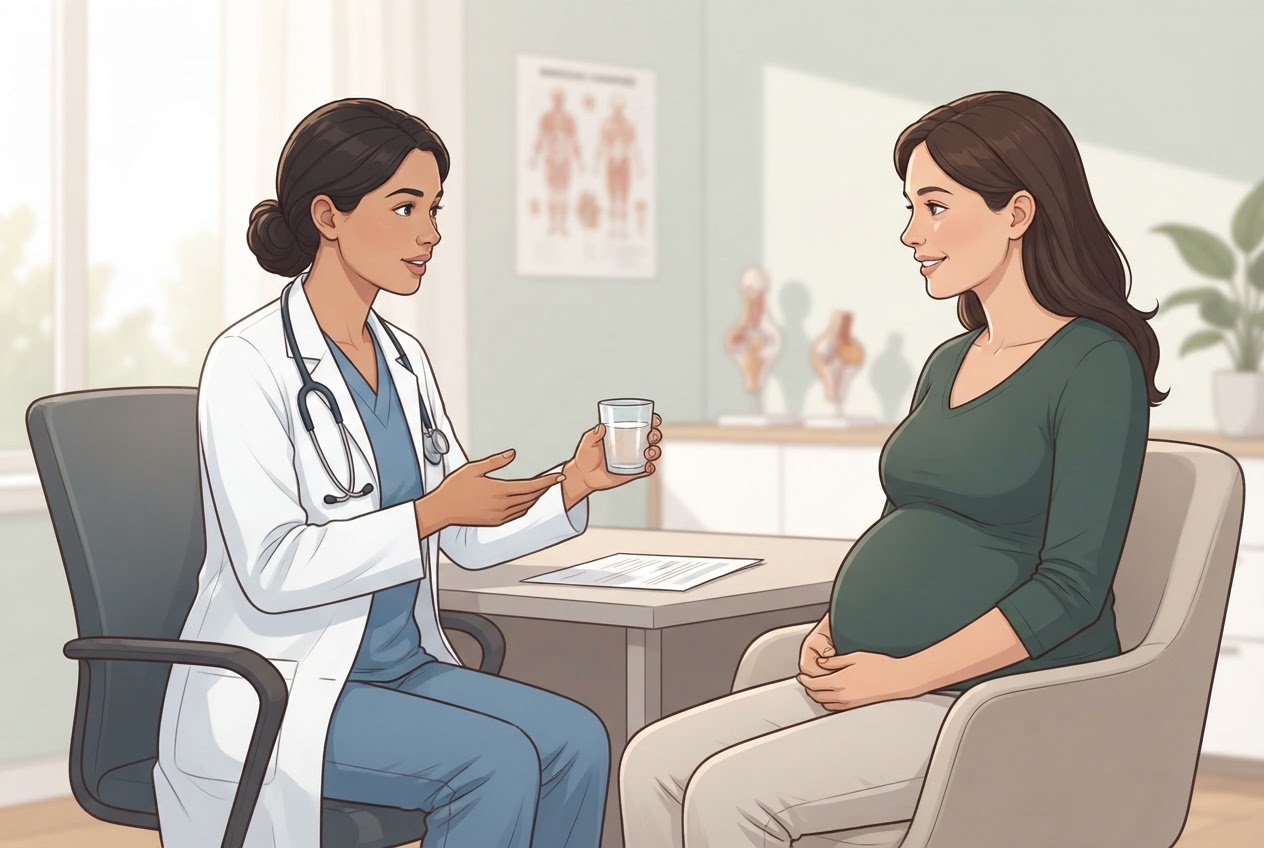
Gestational diabetes often causes no clear symptoms. That is why a glucose test between the 24th and 28th week of pregnancy is part of the screening. After birth, blood sugar levels return to normal in many women, but the risk of developing type 2 diabetes later remains elevated. For affected women, another glucose tolerance test six to twelve weeks after birth and further regular check-ups are recommended.
When is diabetes an emergency?
Severe thirst, frequent urination, a dry mouth and tiredness can occur with very high blood sugar. Nausea, vomiting, abdominal pain, deep breathing, breath with a sweet, acetone-like smell or drowsiness can indicate diabetic ketoacidosis. In this condition, a severe insulin deficiency makes the blood too acidic. The complication occurs especially in type 1 but also in type 2.
With such symptoms, immediate medical assessment is necessary. If a person is unconscious, relatives or bystanders should call the emergency number 112. A single blood sugar reading is no substitute for assessing the symptoms.