A fasting blood sugar test shows how much glucose is in your blood at the time of measurement. For diagnosis, doctors usually measure fasting plasma glucose: a laboratory test on venous blood taken after at least eight hours without food, in Germany usually eight to twelve hours.

The value helps detect diabetes and assess an increased risk. A single value is not enough for a diagnosis and does not fully reflect your state of health. The assessment depends on the measurement conditions and also takes into account other lab values, symptoms and personal risk factors.
What the test measures
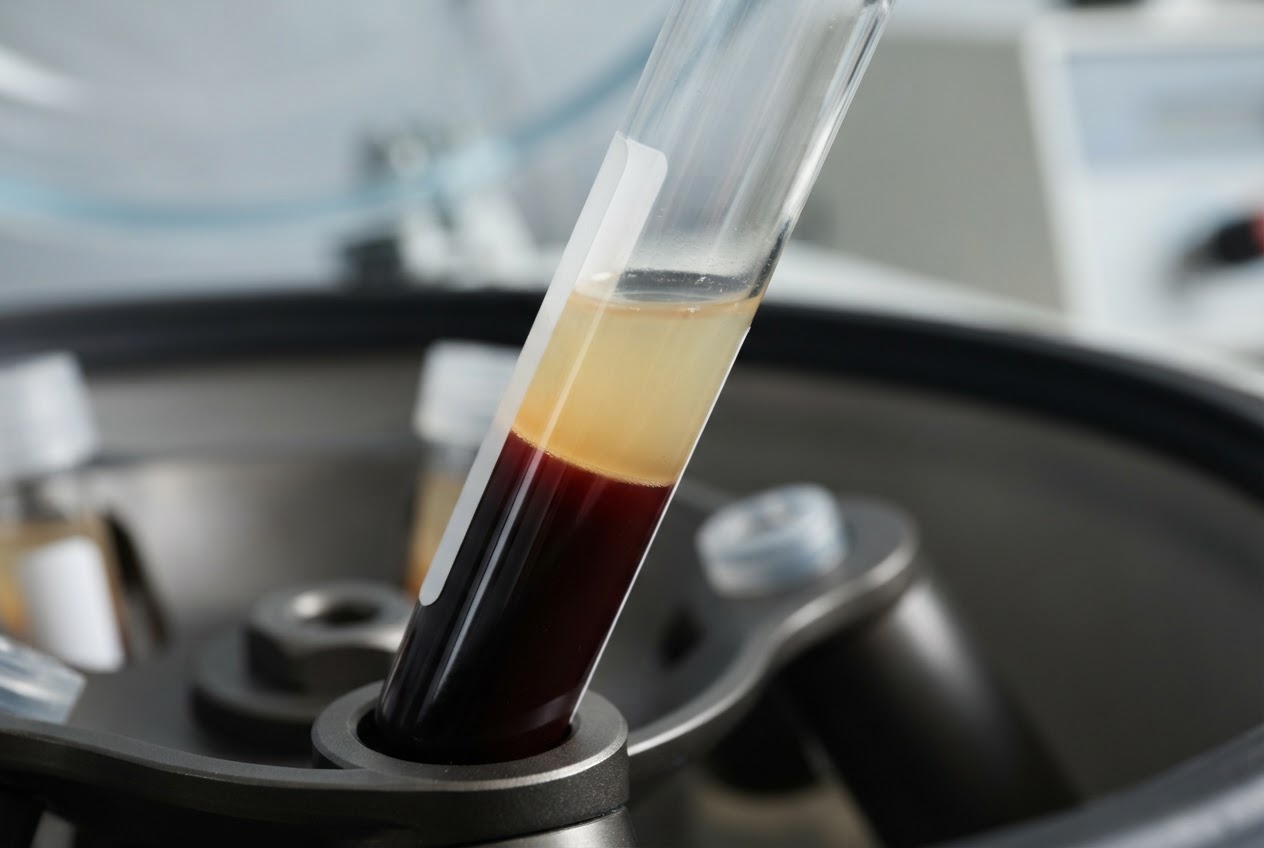
Fasting plasma glucose shows how much glucose is in the blood plasma at the time the blood is drawn. Blood plasma is the liquid part of the blood. It does not directly show how blood sugar behaves after eating or over the course of the day. A diabetes diagnosis must be based on a laboratory measurement whose quality is checked. A home blood glucose meter does not replace this measurement.
Two other tests capture different aspects of sugar metabolism. The HbA1c value shows average blood sugar over the past eight to twelve weeks. The oral glucose tolerance test (oGTT) measures how the body responds to a set amount of glucose. This is why the results of the tests can differ from one another.
How to interpret the thresholds
The following reference values apply to non-pregnant adults:
| Fasting plasma glucose | Usual classification |
|---|---|
| Below 5.6 mmol/l (below 100 mg/dl) | Below the risk range according to ADA criteria as well as DDG and DGIM |
| 5.6 to 6.9 mmol/l (100 to 125 mg/dl) | Increased risk according to these criteria |
| From 7.0 mmol/l (from 126 mg/dl) | Diagnostic threshold for diabetes; an abnormal result generally needs to be confirmed |
Medical societies differ on the lower limit of the risk range. The World Health Organization, as well as DEGAM and AkdÄ, set it at 6.1 mmol/l (110 mg/dl). The threshold for a diabetes diagnosis is 7.0 mmol/l (126 mg/dl) regardless.
These thresholds help to interpret lab values medically. Risk also exists below a defined limit and rises with higher values within the risk range. Pregnancy has its own tests and thresholds; the table cannot be applied to it.
Why a single value is not a diagnosis
A value at or above the diabetes diagnostic threshold calls for further investigation. Without clear signs of high blood sugar, doctors usually confirm the diagnosis with a second abnormal lab value. To do this, they repeat the same test or use another suitable test. According to the German National Disease Management Guideline, at least two abnormal lab values are generally required. An exception applies when there are typical diabetes symptoms and a clearly pathological lab value.
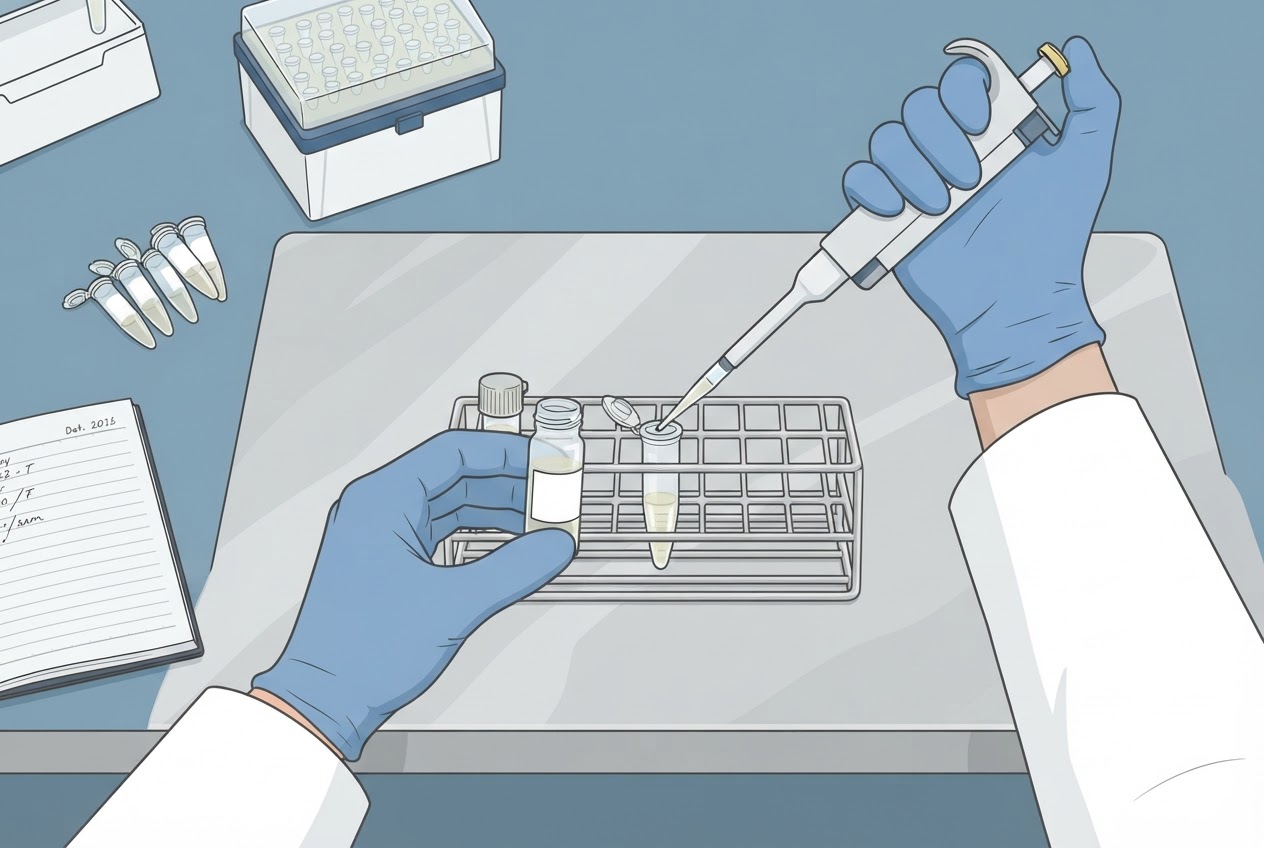
Even a single value below the diagnostic threshold does not reliably rule out a disorder of sugar metabolism. An oGTT, for example, can show an impaired response to glucose even though the fasting value is normal. If findings are contradictory or values fall within the risk range, an additional test may therefore be considered, depending on the situation.
Why values fluctuate
The fasting value can differ from day to day in the same person. Besides the length of the fasting period and the time of measurement, stress, an infection and certain medications affect the interpretation. Biological variation and possible errors in processing the blood sample also play a role.
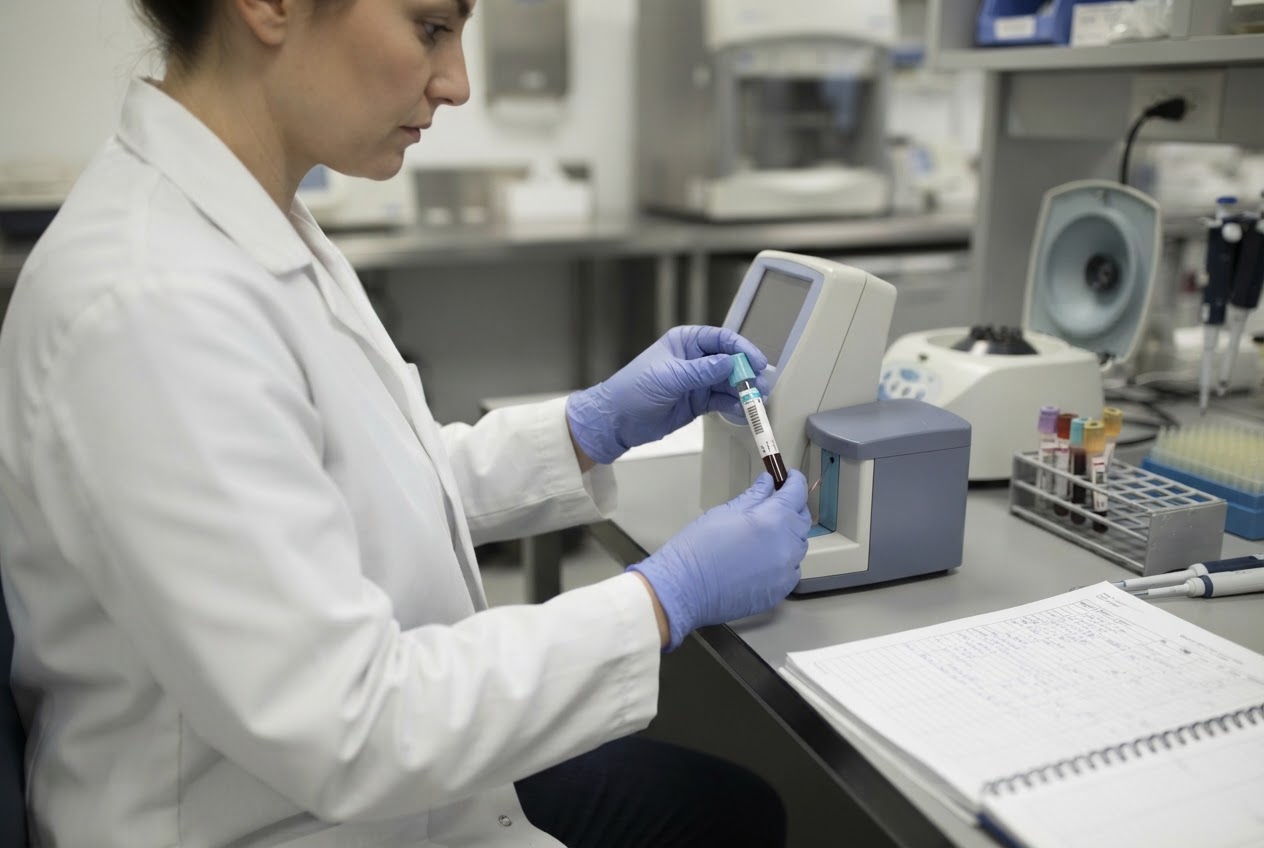
According to a study on laboratory analysis, values for the same person with normal sugar metabolism fluctuate by about 4.8 to 6.1 percent. This figure describes the average of a group. It is not meant to be used to correct an individual measurement. If a result is close to a diagnostic threshold, confirmation is more informative than drawing conclusions from a single measurement.
How the result fits into everyday life
When discussing an abnormal or unexpected result, specific questions help: Was the fasting period observed? Does the value come from a laboratory or a home device? Was there an infection, unusual strain or a medication that should be taken into account? Based on the answers, the doctor can decide whether a repeat measurement, an HbA1c or an oGTT makes sense.
A value in the risk range indicates an increased statistical probability of developing the disease later; whether it actually occurs remains open. A value below a threshold does not prove that sugar metabolism as a whole is normal. Symptoms and individual risk factors are therefore just as much a part of the assessment as the lab value.