“Blood sugar test” can mean different examinations depending on the occasion: fasting blood glucose, the long-term blood glucose value HbA1c, the oral glucose tolerance test, or a two-step procedure during pregnancy. Preparation, thresholds and the meaning of the result depend on the specific test.
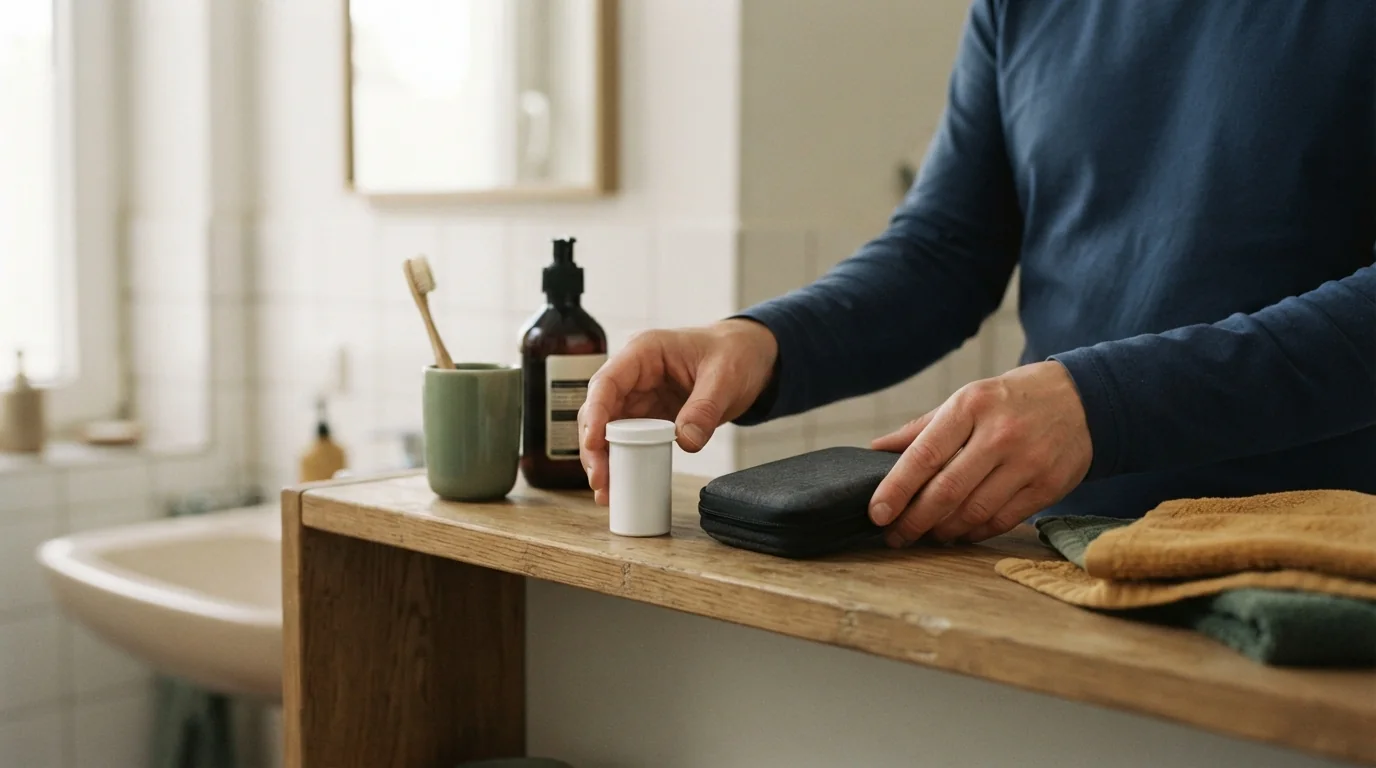
For diagnosing diabetes, quality-assured laboratory values and the symptoms of the person concerned are decisive. A reading from a home blood glucose meter helps with monitoring known diabetes, but is not sufficient for a new diagnosis.
Which blood sugar tests exist
Glucose is the most important sugar in the blood. The body uses it as a source of energy. Insulin and other hormones keep the glucose concentration within a narrow range. The tests measure it under different conditions.

Fasting blood glucose
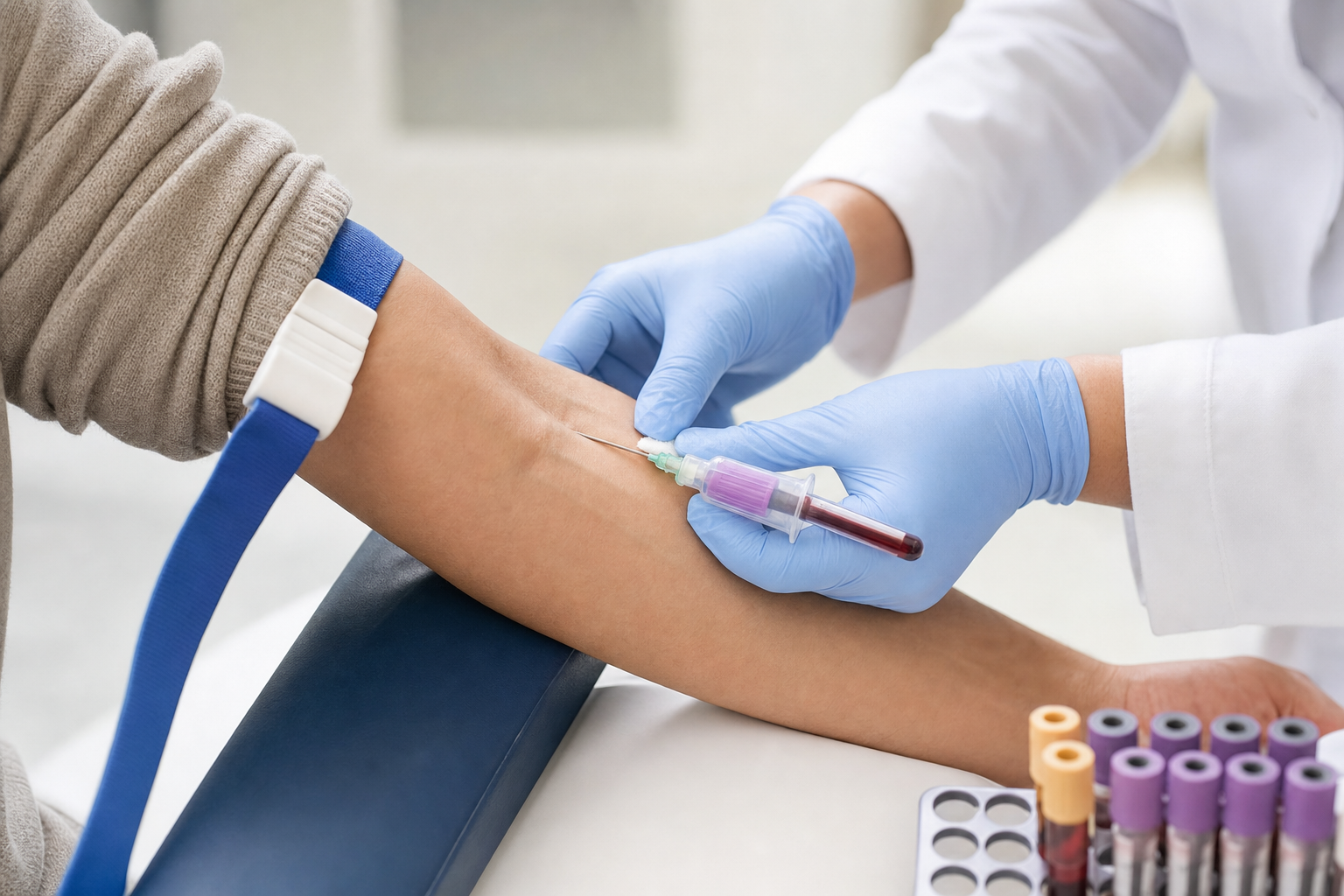
For the fasting blood glucose test, blood from a vein is examined in the laboratory. For this, the person usually consumes no food or drinks containing calories for several hours. Water is normally allowed; the doctor’s office determines the exact preparation.
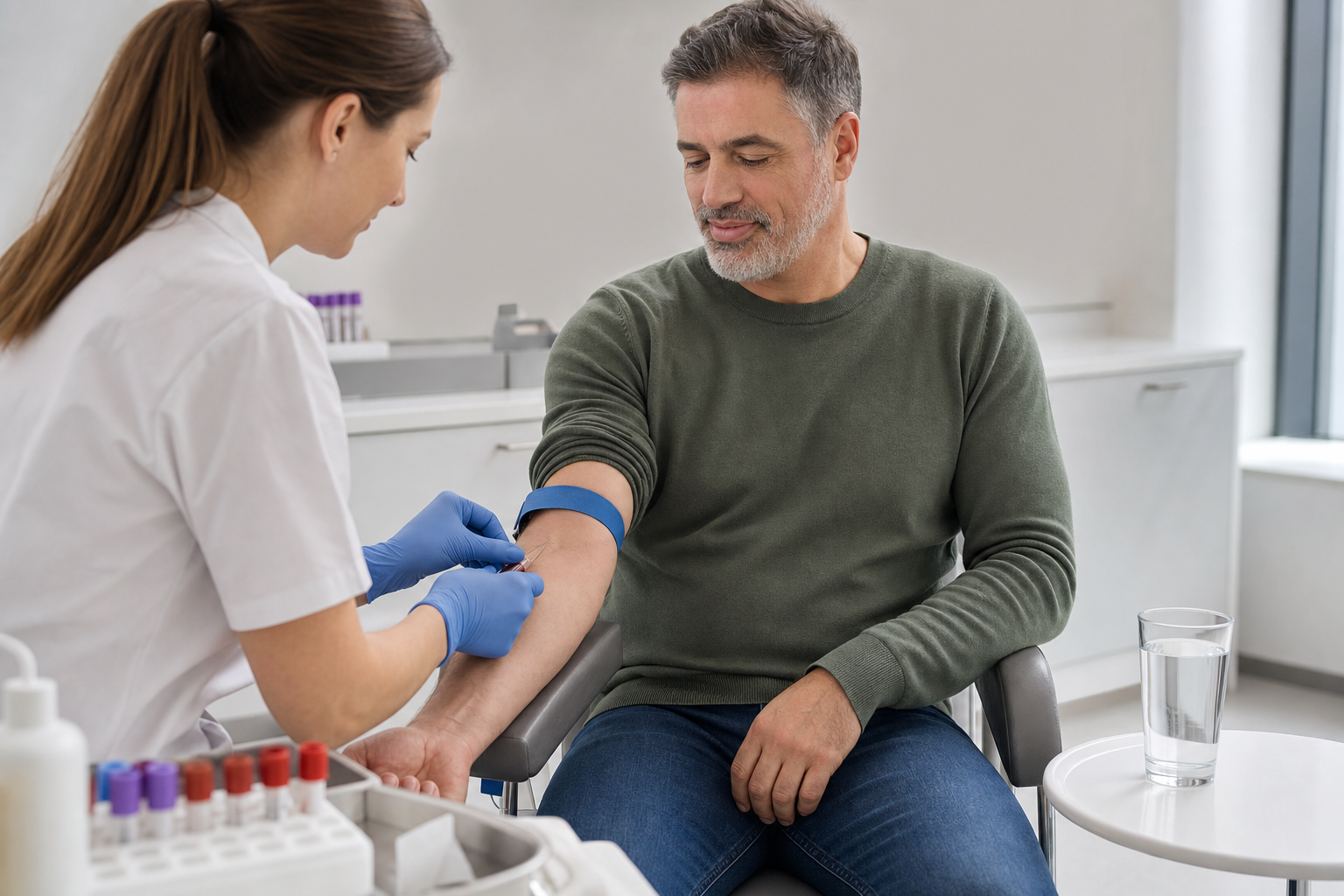
The value shows the glucose concentration without a prior meal. Lack of sleep, acute illness, stress, the exact length of the fast and the handling of the blood sample all influence the result. A value close to the threshold should therefore be assessed by a doctor and rechecked if necessary.
HbA1c
HbA1c refers to the proportion of the red blood pigment hemoglobin to which glucose is bound. The value shows the average glucose exposure over the past weeks. The person does not need to be fasting for this.
However, HbA1c is of limited reliability when the red blood cells are altered. This includes, among other things, certain types of anemia, blood loss, blood transfusions, some hemoglobin variants, pregnancy, and certain kidney or liver diseases. Treatment with erythropoietin can also make interpretation more difficult. The German National Disease Management Guideline for Type 2 Diabetes explicitly describes these limitations.
Oral glucose tolerance test
The oral glucose tolerance test, or oGTT for short, shows how the body processes a defined amount of sugar. In adults outside of pregnancy, 75 grams of glucose dissolved in water are usually drunk. The laboratory measures blood sugar first while fasting and then after two hours.

For a reliable result, the German guideline requires uniform preparation. This includes at least three days with sufficient carbohydrate intake and a sufficiently long period without food, nicotine and alcohol. The person drinks the glucose solution within five minutes and rests during the test.
The oGTT can reveal impaired glucose processing that remains inconspicuous with a fasting measurement or HbA1c determination alone. However, it takes longer, is more demanding, and does not always yield exactly the same value when repeated.
Thresholds for adults
For non-pregnant adults, the German National Disease Management Guideline gives the following reference ranges:
| Test | Increased risk or prediabetes | Diabetes range |
|---|---|---|
| Fasting plasma glucose | 100 to 125 mg/dl, corresponding to 5.6 to 6.9 mmol/l | 126 mg/dl and above, corresponding to 7.0 mmol/l |
| HbA1c | an elevated range below the diabetes range | 6.5 percent and above, corresponding to 48 mmol/mol |
| 75 g oGTT, value after two hours | 140 to 199 mg/dl, corresponding to 7.8 to 11.0 mmol/l | 200 mg/dl and above, corresponding to 11.1 mmol/l |
| Random plasma glucose | no uniform prediabetes range | 200 mg/dl and above, corresponding to 11.1 mmol/l, with matching symptoms |
These thresholds refer to venous plasma measurements in the laboratory and to the respective test. A single value does not decide the diagnosis on its own in every situation. Especially with results close to the threshold, the doctor takes into account symptoms, repeat measurements, measurement quality and possible confounding factors.
Why test results differ
HbA1c, fasting blood glucose and the oGTT measure different aspects of sugar metabolism, so their results can differ. Fasting blood glucose captures a single moment, while HbA1c reflects the average over a longer period. The oGTT measures the body’s response to a set amount of glucose.
The conditions at the time of testing also affect the result. An acute infection, unusually little sleep, intense physical exertion or not keeping to the fasting period can all change blood glucose. For HbA1c, conditions that alter red blood cell turnover are important.
How informative a test is also depends on the group being examined. A systematic review of women with polycystic ovary syndrome found that, at the usual diabetes thresholds, HbA1c and fasting blood glucose missed some cases compared with the oGTT. This finding applies to this high-risk group and cannot be transferred unchanged to all adults. The analysis on PCOS therefore mainly underlines the need to consider risk profile and test selection together.
If your result is close to a threshold, you should ask your doctor’s office three questions: Which test was performed, were the conditions correct, and is a follow-up or confirmatory test needed?
The sugar test during pregnancy
In Germany, the “sugar test” during pregnancy usually means screening for gestational diabetes. It begins with a screening test. If the result is abnormal, a diagnostic test follows. The following information corresponds to the German Maternity Guidelines in the version that has applied since 25 August 2026. The guideline of the Federal Joint Committee sets out the procedure, measurement method and thresholds.
The 50-gram screening
Between the 24th and the end of the 27th week of pregnancy, you first drink a glucose solution containing 50 grams of sugar. You do not need to be fasting for this. After one hour, venous blood is drawn.
If the value falls in the abnormal range, a diagnostic 75 g oGTT follows promptly. The 50 g test is a screening test. An abnormal result on its own does not yet mean gestational diabetes.
The 75-gram oGTT
The diagnostic test requires a fasting period of at least eight hours. The pregnant woman drinks 75 grams of glucose. The laboratory measures venous plasma glucose while fasting and after one and two hours.
Gestational diabetes is diagnosed if at least one of these values is reached or exceeded:
| Time | Threshold |
|---|---|
| Fasting | 92 mg/dl, equivalent to 5.1 mmol/l |
| After one hour | 180 mg/dl, equivalent to 10.0 mmol/l |
| After two hours | 153 mg/dl, equivalent to 8.5 mmol/l |
So for the 75 g oGTT, a single elevated value is enough for a diagnosis. Home devices intended solely for self-monitoring do not replace this laboratory test.
According to the studies summarised in the G-BA document, treating diagnosed gestational diabetes reduces, among other things, the risk of shoulder dystocia, excessively high birth weight and certain other birth and newborn complications. These statements refer to the treatment of diagnosed cases. It does not automatically follow that every screening strategy offers the same benefit.
Home devices and sensors
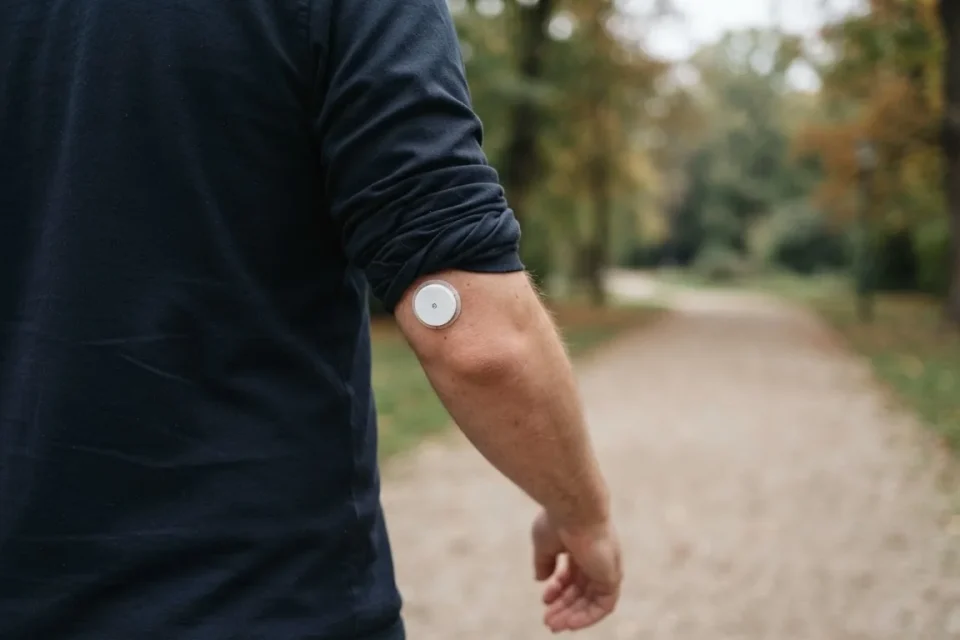
A fingerstick blood glucose meter and a continuous glucose sensor help people with known diabetes manage their treatment. Both devices show trends and support everyday decisions.
However, such measurements are not sufficient for a new diabetes diagnosis. Measurement errors, different measurement sites and lower diagnostic quality compared with laboratory analysis make interpretation difficult. If home readings are repeatedly abnormal, a laboratory check by a doctor should therefore follow.
Especially during pregnancy, an abnormal home reading should not be labelled gestational diabetes on its own. The German Maternity Guidelines require the specified venous laboratory measurements for screening and diagnosis.
Why the oGTT is not always the first choice
The oGTT measures the response to a defined glucose load and detects impaired glucose tolerance, which other tests do not directly capture. The German Diabetes Society and the German Society of Internal Medicine therefore regard it as an important reference test in certain situations, such as contradictory or borderline results.
Other professional societies are more cautious about its routine use in general practice. They point to the effort involved, the limited repeatability and the uncertainty as to whether additional diagnoses made through the oGTT always lead to better treatment outcomes. The German guideline explicitly documents this professional disagreement. The guideline explains the differing positions.
In pregnancy screening, too, a more sensitive method leads to more diagnoses. A meta-analysis of seven randomised trials with 54,650 participants found more diagnoses of gestational diabetes with a one-step approach than with a two-step procedure. However, no clear benefit emerged for large newborns. The analysis of one-step and two-step screening showed no clear benefit for large newborns in these studies, even though the one-step approach detected more cases.
For care in Germany, the specific G-BA regulation remains decisive. International studies sometimes compare different thresholds and procedures, so they cannot be applied directly to the German test.
Questions before the sugar test
Before a sugar test, the doctor’s office should clearly state the reason for and type of test. This determines how to prepare and what the result means.
Important questions include:
- Do I need to be fasting?
- Will venous blood be analysed in a laboratory?
- Is this a screening test or a diagnostic test?
- Which medications, conditions or pregnancy affect the interpretation?
- Will an abnormal value be repeated or confirmed with another test?
If you have severe symptoms such as pronounced thirst, frequent urination, vomiting, marked weakness or impaired consciousness, do not wait for a regular follow-up appointment. In such cases, prompt medical help is needed, and in the case of impaired consciousness or a serious general condition, call the emergency services.
Key points about the sugar test
- Name the test precisely: “Sugar test” can mean fasting blood glucose, HbA1c, oGTT, pregnancy screening, or self-monitoring.
- Match threshold values to the procedure: A pregnancy screening result of 135 mg/dl or higher is not yet a diagnosis; in Germany, it is followed by the 75 g oGTT.
- Rely on laboratory values for diagnosis: Home devices are suitable for monitoring trends, but they do not replace quality-assured diagnostics.
- Have borderline results checked: Preparation, acute illness, measurement quality, and repeat testing can change how results are interpreted.
- Use the oGTT selectively: It provides additional information but is more demanding. Outside certain situations, its routine use is controversial among experts.