After a diabetes diagnosis, medication and check-ups become part of everyday life, along with a number of organizational tasks. How much time treatment takes and which costs you pay yourself depend mainly on the type of diabetes, the treatment and your health insurer. There is no universal figure for the daily effort or the annual out-of-pocket costs.
People with type 1 diabetes must use insulin for life. With type 2, treatment depends on your health, your living situation and your personal goals. It can include changes to diet and exercise; medication or insulin may also be an option. If you understand the differences, you can better plan appointments, supplies and possible co-payments.
What the diagnosis means
In type 1 diabetes, the immune system usually attacks the insulin-producing cells of the pancreas. As a result, the body produces little or no insulin. Intense thirst, frequent urination and tiredness often appear quickly. Insulin is essential for treatment.
Type 2 diabetes often develops over years without causing clear symptoms. The body becomes less sensitive to insulin, and later insulin production may also decline. Genetic predisposition and lifestyle influence the risk. Doctors make the diagnosis based on lab values such as fasting blood glucose and HbA1c. The HbA1c value shows what the average blood glucose level was over the previous two to three months.
With type 2, lifestyle changes can improve blood glucose levels. However, they are not enough for everyone and do not automatically replace medication. If you suspect you have diabetes, arrange a medical evaluation rather than deciding on your own based on symptoms or measured values.
Which appointments to expect
After the diagnosis, your treating doctor will discuss the treatment and the necessary examinations with you. With type 2, this also includes checking for possible complications. As treatment continues, check-ups depend on the therapy and on your individual findings.
The Disease Management Program (DMP) is a structured treatment program for people with chronic conditions. It specifies which follow-up checks and documentation are planned. For adults with type 2 diabetes, the guideline gives as a benchmark an HbA1c measurement every three months, but at least twice a year. The treatment goals also include an annual check of kidney function and at least one complete foot examination per year. Abnormal findings may require closer monitoring.
These guidelines do not set your personal appointment schedule in stone. If DMP documentation follows a certain rhythm, that does not automatically mean every person has to visit a doctor’s office that often. At your next check-up, clarify which appointments are actually necessary for your findings and treatment.
How much time daily life requires
There is no reliable flat figure for the daily time commitment. With type 1, insulin doses and, depending on the treatment, regular glucose checks are part of daily life. With type 2 without insulin, medication and follow-up medical check-ups are often the main focus. Not everyone in this group has to measure their own glucose, and the health insurer does not cover the cost in every case.
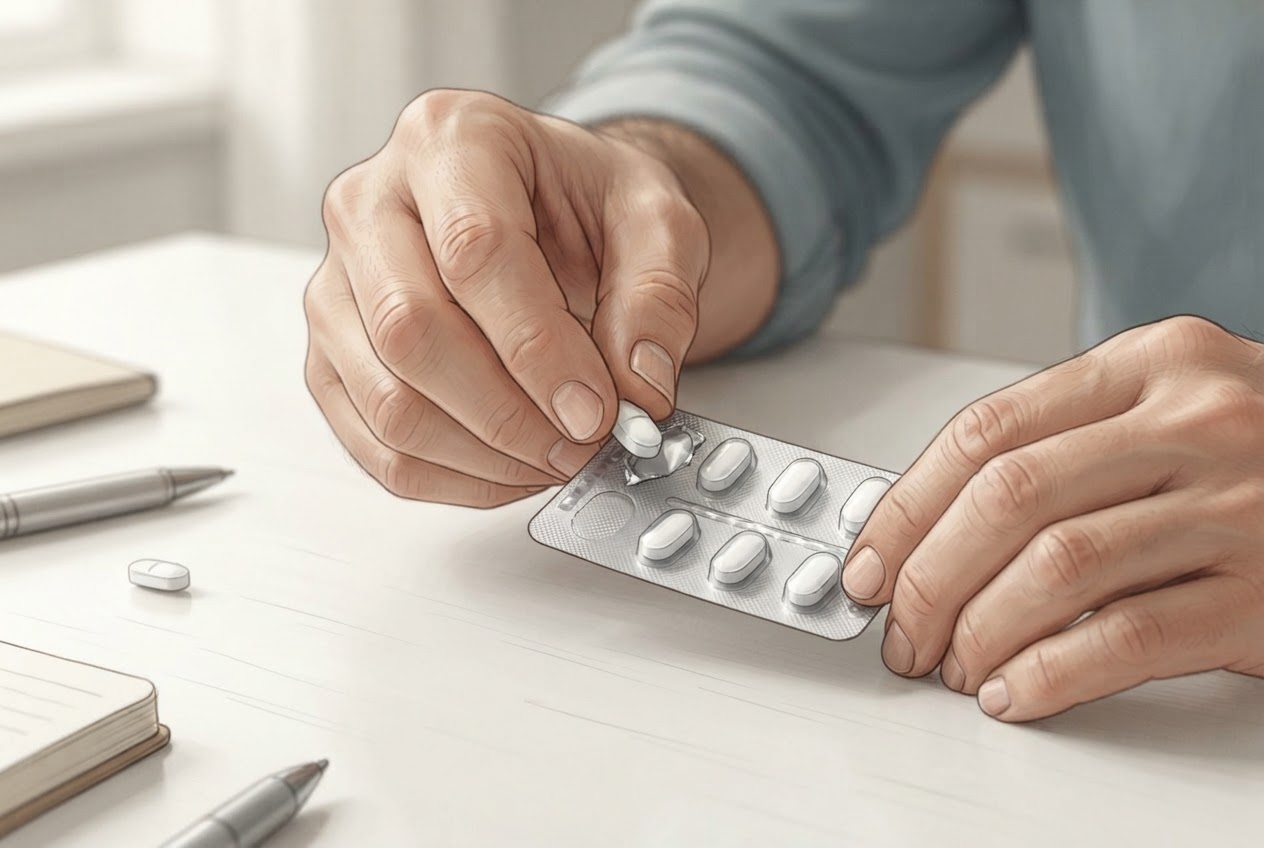
It also takes time to attend training sessions, pick up prescriptions and, if needed, submit applications for devices. Using a glucose meter or an insulin pump may also be part of your daily routine. During training, ask specifically about the steps your treatment requires and which tasks can be tied to your existing habits.
Which costs can arise
Statutory health insurance generally covers medically necessary diagnostics, medication and prescribed medical aids and therapies. Which costs the insurer covers depends on whether the service is medically necessary and prescribed. For diabetes requiring insulin, for example, glucose meters and test strips can be prescribed. For type 2 without insulin, the health insurer generally does not cover test strips on a regular basis. Exceptions apply in certain situations.

For many prescription drugs and medical aids, insured people are legally required to pay 10 percent of the price, with a minimum of 5 euros and a maximum of 10 euros. The co-payment is never higher than the actual cost. There is no co-payment for blood and urine test strips. Separate rules apply to consumable aids such as needles; according to the information provided, the co-payment for a month’s supply is capped at 10 euros.
For people with statutory insurance, the annual out-of-pocket limit is generally 2 percent of relevant gross income; for people with serious chronic illnesses, a limit of 1 percent applies under certain conditions. Those affected should check with their health insurer whether this rule applies in their individual case. Keep your co-payment receipts so that you can prove your expenses.
Continuous glucose monitoring (CGM) systems, which measure tissue glucose continuously, require a doctor’s prescription. The health insurer assesses the entitlement; there is no blanket coverage for every device. For intensified insulin therapy, the costs are generally covered according to the information available. For other treatments, a more detailed medical justification may be needed. For people with private insurance, the terms of their individual contract apply.
The best approach is to draw up your personal cost overview based on your own prescription. Include co-payments for medication and medical aids. Also factor in possible expenses for products the insurer does not reimburse. Costs may also arise before approval is granted. A single uniform annual total cannot be derived from this.
What makes planning easier
Enter appointments for HbA1c measurements in a calendar. Record other lab and examination appointments there too. Also note when prescriptions or supplies need to be reordered. When you get a new device or your therapy changes, it is worth asking which documents the health insurer needs and who submits the application.

In a diabetes training course, you learn how to manage your treatment in everyday life. After the diagnosis, health insurers generally cover the cost of recognized training programs; if you take part in the DMP, you are entitled to this coverage. Ask in advance about a suitable course and whether approval is required to take part.
If you experience rapidly increasing thirst, frequent urination or pronounced tiredness, you should see a doctor promptly. Impaired consciousness due to very high blood glucose is an acute warning sign: call emergency services.